

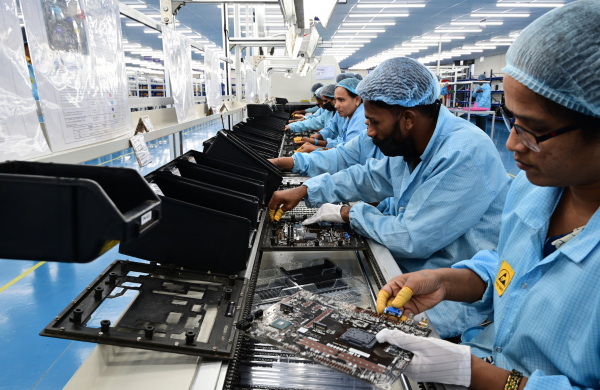
Printed circuit boards (PCBs) are the foundation of most electronic devices, but not all PCBs are created equal. Two of the most common types are rigid and flexible PCBs, each with distinct characteristics, advantages, and applications. Understanding the difference between rigid and flex PCBs is essential for engineers, designers, and anyone involved in electronics manufacturing or product development.
Whether you’re developing compact consumer gadgets, industrial equipment, or medical devices, the choice between these two PCB types can significantly impact performance, reliability, and cost. In this guide, we’ll break down the construction, benefits, limitations, and ideal use cases for both rigid and flexible circuit boards.
For those interested in how PCB materials influence design decisions, the electronic product design pcb material selection guide offers a deeper look at substrate choices and their impact on circuit performance.
Understanding the Core Distinctions
The difference between rigid and flex PCBs starts with their physical structure. Rigid PCBs are constructed from solid, inflexible materials, typically fiberglass (FR4), which provide mechanical stability and support for mounted components. In contrast, flexible PCBs use bendable substrates like polyimide, allowing them to twist, fold, or conform to complex shapes.
This fundamental structural variation leads to significant differences in durability, design flexibility, and application suitability. Let’s explore each type in more detail.
Rigid Circuit Boards: Structure and Applications

Construction and Features
Rigid PCBs are made from layers of copper and insulating material laminated together. The most common base material is FR4, a fiberglass-reinforced epoxy resin. These boards maintain their shape and provide a stable platform for soldering components.
- Mechanical strength: Excellent for supporting heavy or numerous components.
- Multi-layer capability: Can be manufactured as single, double, or multi-layer boards for complex circuits.
- Cost-effective: Generally less expensive to produce in high volumes compared to flexible alternatives.
Typical Uses
Rigid PCBs are found in a wide range of products, from desktop computers and televisions to industrial control systems. Their robust nature makes them ideal for applications where the board will not be subject to movement or repeated flexing.
Flexible PCBs: Adaptability and Unique Benefits
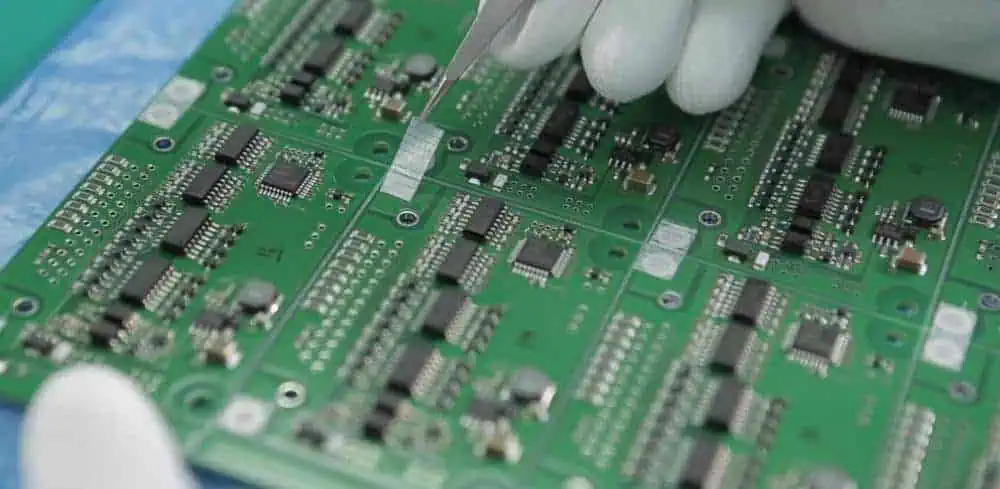
Material and Structure
Flexible PCBs are constructed using thin, flexible polymers such as polyimide. The copper traces are etched onto these substrates, allowing the finished board to bend or fold without breaking the circuit.
- Space-saving: Can be routed around obstacles or fit into tight spaces.
- Lightweight: Ideal for portable and miniaturized devices.
- Dynamic movement: Suitable for applications where the board needs to flex during operation.
Where Flex Circuits Excel
Flexible boards are commonly used in smartphones, wearable technology, cameras, and medical devices. Their ability to withstand repeated bending makes them essential in products with moving parts or compact enclosures.
Comparing Rigid and Flexible PCB Technologies
To highlight the difference between rigid and flex PCBs, it’s helpful to compare them across several key factors:
| Aspect | Rigid PCB | Flexible PCB |
|---|---|---|
| Material | FR4, CEM-1, CEM-3 | Polyimide, PET |
| Flexibility | Inflexible | Bendable, foldable |
| Durability | High mechanical strength | Resistant to vibration and movement |
| Assembly Complexity | Standard | Requires specialized handling |
| Cost | Lower for high volumes | Higher due to materials and process |
| Applications | Desktops, industrial, automotive | Wearables, mobile, medical |
Hybrid Approaches: Rigid-Flex PCBs
Some designs require both the mechanical stability of rigid boards and the adaptability of flexible circuits. Rigid-flex PCBs combine both technologies, featuring rigid sections interconnected by flexible segments. This approach is common in aerospace, military, and advanced consumer electronics, where space constraints and reliability are critical.
For a deeper understanding of how mechanical integration affects electronic assemblies, refer to the electronic product mechanical integration guide.
Choosing the Right PCB for Your Project
Selecting between rigid and flexible PCBs depends on several factors:
- Mechanical requirements: Will the board be subject to movement or vibration?
- Space constraints: Does the design require bending or folding to fit?
- Cost considerations: What is the production volume and budget?
- Assembly process: Does the manufacturing process support flexible circuit handling?
For those new to electronics assembly, a beginner’s guide to manual assembly can provide helpful insights into the practical aspects of working with different PCB types.
Key Takeaways on PCB Selection
Understanding the difference between rigid and flex PCBs is crucial for making informed design and manufacturing decisions. Rigid boards offer stability and cost efficiency for static applications, while flexible circuits enable innovative form factors and dynamic use cases. Hybrid rigid-flex solutions bridge the gap for complex requirements.
For further reading on optimizing electronics for performance and lifecycle costs, explore the electronic product lifecycle cost analysis guide and the electronic product design performance testing guide.
Frequently Asked Questions
What are the main advantages of flexible PCBs over rigid ones?
Flexible PCBs offer significant benefits in applications where space is limited or where the board must bend or move during operation. They are lighter, can fit into unconventional shapes, and are well-suited for wearable devices, foldable electronics, and products with moving parts.
Are rigid PCBs more reliable than flexible PCBs?
Reliability depends on the application. Rigid boards are generally more robust in static environments, while flexible circuits excel in dynamic or vibration-prone settings. Both types can be highly reliable when used appropriately and manufactured to high standards.
When should I consider using a rigid-flex PCB?
Rigid-flex PCBs are ideal when a design requires both the strength of rigid sections and the adaptability of flexible areas. They are commonly used in advanced electronics where space, weight, and reliability are critical, such as aerospace, medical devices, and compact consumer products.
