

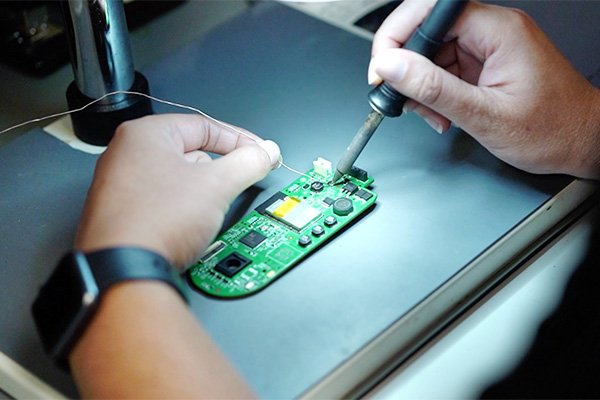
Design for assembly in electronics is a critical engineering approach that focuses on simplifying product assembly, reducing manufacturing costs, and improving product quality. By considering assembly requirements early in the design phase, engineers can minimize errors, streamline production, and ensure that electronic products are easier and more cost-effective to manufacture. This approach is especially important as electronic devices become more complex and demand for efficiency grows across industries.
Understanding how to optimize electronic assemblies not only benefits manufacturers but also leads to more reliable products for end users. For those interested in related topics, our electronic product design performance testing guide provides further insights into ensuring quality and performance throughout the product lifecycle.
What Is Design for Assembly in Electronic Manufacturing?
At its core, design for assembly in electronics (DFA) is the practice of designing products with the explicit goal of making them easier and less costly to assemble. This means considering how each component will be placed, oriented, and connected during production. The process involves evaluating every design decision—component selection, layout, and packaging—with assembly efficiency in mind.
For electronic products, DFA can impact everything from printed circuit board (PCB) layouts to enclosure design and connector placement. The objective is to reduce the number of parts, simplify assembly steps, and minimize the need for specialized tools or manual intervention. By doing so, companies can achieve faster production cycles, lower labor costs, and improved product consistency.
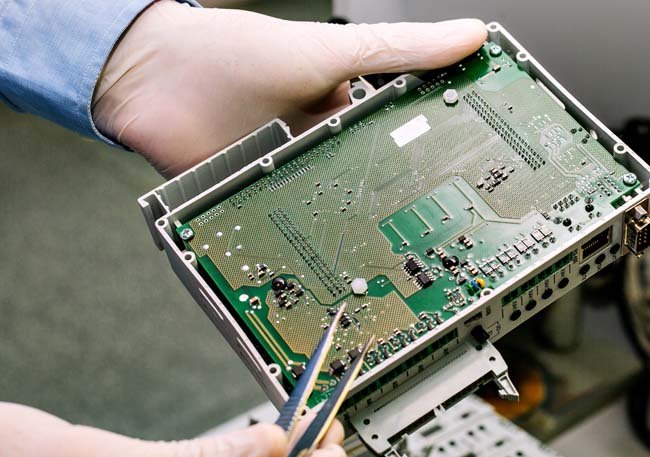
Key Principles for Assembly-Friendly Electronic Design
To create products that are straightforward to assemble, engineers should follow several core DFA principles. These guidelines help identify potential assembly challenges and address them before production begins.
- Minimize Part Count: Reducing the number of individual components lowers the risk of assembly errors and speeds up the process. Whenever possible, combine functions or use multi-functional components.
- Standardize Components: Using standard parts and fasteners simplifies procurement and assembly. It also reduces the need for specialized tools or training.
- Design for Orientation: Ensure that parts can only be assembled in the correct orientation. Asymmetric features or keyed connectors prevent mistakes during assembly.
- Facilitate Automated Assembly: Design PCBs and enclosures to be compatible with automated pick-and-place machines and robotic assembly lines. Avoid features that require excessive manual handling.
- Allow for Easy Testing and Inspection: Make sure test points and inspection areas are accessible. This helps maintain quality and speeds up troubleshooting.
Applying these principles not only streamlines manufacturing but also enhances product reliability and reduces long-term costs.
How DFA Impacts PCB Layout and Component Selection
Printed circuit boards are at the heart of most electronic products. The way a PCB is designed has a direct effect on assembly efficiency. Here’s how DFA considerations influence PCB design:
- Component Placement: Group components logically to minimize assembly steps and reduce the likelihood of errors. Place similar components together and avoid placing parts too close to board edges.
- Orientation Consistency: Align polarized components (like diodes and electrolytic capacitors) in the same direction to simplify automated placement and inspection.
- Clear Markings: Use clear silkscreen labels for component values and orientation. This helps both automated systems and human operators during assembly and inspection.
- Accessible Test Points: Include test pads or connectors that are easy to reach for quality control checks.
Component selection also plays a significant role. Opting for surface-mount devices (SMDs) over through-hole components can speed up automated assembly. However, it’s important to balance assembly efficiency with other considerations such as thermal management, mechanical strength, and repairability. For more on this topic, our electronic product design pcb material selection guide explores how material choices impact assembly and performance.
Reducing Assembly Costs Through Smart Design Choices
Cost reduction is a major driver behind DFA. By making thoughtful design choices, companies can cut assembly time and expenses without compromising quality. Here are some proven strategies:
- Use Snap-Fit or Interlocking Features: Designing enclosures and mechanical parts with snap-fits eliminates the need for screws and tools, speeding up assembly.
- Limit Unique Parts: The fewer unique parts in a design, the easier it is to manage inventory and assembly. Reuse parts across different products when possible.
- Design for Modular Assembly: Breaking a product into modules that can be assembled separately and then combined streamlines the process and allows for parallel assembly lines.
- Plan for Error-Proofing: Incorporate features that prevent incorrect assembly, such as keyed connectors or color-coded parts.
These strategies not only reduce direct labor costs but also minimize the likelihood of defects, which can be costly to fix after production.

Common Challenges in Assembly-Oriented Electronic Design
While the benefits of DFA are clear, implementing these principles can present several challenges:
- Balancing Performance and Assembly: Sometimes, the optimal design for performance may complicate assembly. Engineers must weigh trade-offs and find a balance that meets both goals.
- Managing Component Availability: Standardizing parts is ideal, but supply chain constraints may force changes that impact assembly plans.
- Integration with Mechanical Design: Electronic and mechanical teams must collaborate closely to ensure that PCB layouts, connectors, and enclosures align for efficient assembly. Our electronic product mechanical integration guide covers best practices for this crucial step.
- Adapting to Evolving Technologies: As new assembly techniques and automation tools emerge, design teams must stay updated and adapt their processes accordingly.
Overcoming these challenges requires cross-functional teamwork and a commitment to continuous improvement throughout the product development cycle.
Best Practices for Implementing DFA in Electronics Projects
To successfully apply DFA principles, consider the following best practices:
- Involve Assembly Experts Early: Bring manufacturing and assembly specialists into the design process from the start. Their feedback can identify potential issues before they become costly problems.
- Use DFA Analysis Tools: Software tools can analyze designs for assembly efficiency, highlighting areas for improvement and estimating potential cost savings.
- Document Assembly Procedures: Clear assembly instructions and diagrams help ensure consistency and reduce training time for production staff.
- Iterate and Test: Build prototypes and conduct pilot assemblies to validate design choices. Use feedback to refine the design before full-scale production.
- Stay Informed on Industry Trends: Keep up with advancements in automated assembly, new materials, and best practices by consulting resources like the design and engineering knowledge base from industry leaders.
Benefits of Assembly-Oriented Design for Electronics
Adopting a DFA mindset brings several advantages to electronic product development:
- Lower Production Costs: Streamlined assembly reduces labor and overhead expenses.
- Faster Time to Market: Efficient designs speed up manufacturing and help products reach customers sooner.
- Improved Product Quality: Fewer assembly steps and error-proofing features lead to more consistent, reliable products.
- Greater Scalability: Designs optimized for assembly are easier to scale as demand grows.
- Enhanced Customer Satisfaction: Reliable products with fewer defects result in happier customers and fewer returns.
These benefits make DFA an essential part of modern electronics engineering, especially for organizations aiming to stay competitive in a demanding market.
Integrating DFA with the Broader Product Lifecycle
Designing for assembly is just one aspect of a comprehensive product development strategy. It works best when combined with other approaches, such as design for manufacturability (DFM), design for testability (DFT), and lifecycle cost analysis. For a deeper dive into managing costs throughout a product’s lifespan, see our electronic product lifecycle cost analysis resource.
By integrating DFA with these related disciplines, companies can create products that are not only easy to assemble but also cost-effective, high-performing, and durable over time.
FAQ: Assembly-Driven Electronic Product Design
What are the main goals of design for assembly in electronics?
The primary objectives are to simplify the assembly process, reduce manufacturing costs, improve product reliability, and minimize the risk of assembly errors. By considering assembly requirements early, engineers can create products that are easier and more efficient to build.
How does DFA differ from design for manufacturability (DFM)?
While both approaches aim to optimize the production process, DFA focuses specifically on assembly steps—how parts fit together and how the product is put together. DFM takes a broader view, considering all aspects of manufacturing, including material selection, fabrication, and assembly.
Can DFA principles be applied to existing products?
Yes, DFA techniques can be used to review and improve existing designs. By analyzing current products for assembly efficiency, companies can identify opportunities to reduce part counts, simplify procedures, and lower costs in future production runs or product revisions.
