


Designing successful consumer electronics requires a blend of technical expertise, user-centered thinking, and a deep understanding of market needs. Whether you’re developing smart home devices, wearable tech, or personal gadgets, a well-structured approach is essential to navigate the complexities of modern product development. This guide explores the key stages, best practices, and critical considerations for creating innovative and reliable electronic products that meet consumer expectations.
For those interested in related topics, our electronic product design performance testing guide offers a deeper look at ensuring quality and reliability in your projects.
Understanding the Consumer Electronics Design Process
The journey from concept to market-ready device involves several distinct phases. Each step in the consumer electronics product design guide process plays a crucial role in shaping the final outcome:
- Market Research & User Analysis: Identifying user needs, pain points, and emerging trends to inform your product vision.
- Concept Development: Generating ideas, evaluating feasibility, and selecting the most promising directions.
- Detailed Design: Creating schematics, selecting components, and developing the physical and digital interfaces.
- Prototyping & Testing: Building functional models to validate design choices and gather user feedback.
- Manufacturing Preparation: Refining designs for mass production, including cost optimization and compliance checks.
- Launch & Post-Launch Support: Introducing the product to market and addressing user feedback for future improvements.
Key Considerations for Innovative Electronics
To create standout devices, designers must balance innovation with practicality. Here are some essential factors to keep in mind:
- User Experience (UX): Prioritize intuitive controls, clear feedback, and ergonomic form factors. A device that feels natural to use will stand out in a crowded market.
- Reliability & Durability: Select robust materials and components that withstand daily wear and tear. Rigorous testing ensures long-term performance.
- Power Efficiency: Optimize for battery life and energy consumption, especially for portable or wearable products.
- Connectivity: Integrate wireless standards (Bluetooth, Wi-Fi, etc.) as needed, ensuring seamless interaction with other devices and platforms.
- Compliance & Safety: Adhere to relevant regulations and certifications for your target markets, such as FCC, CE, or RoHS.
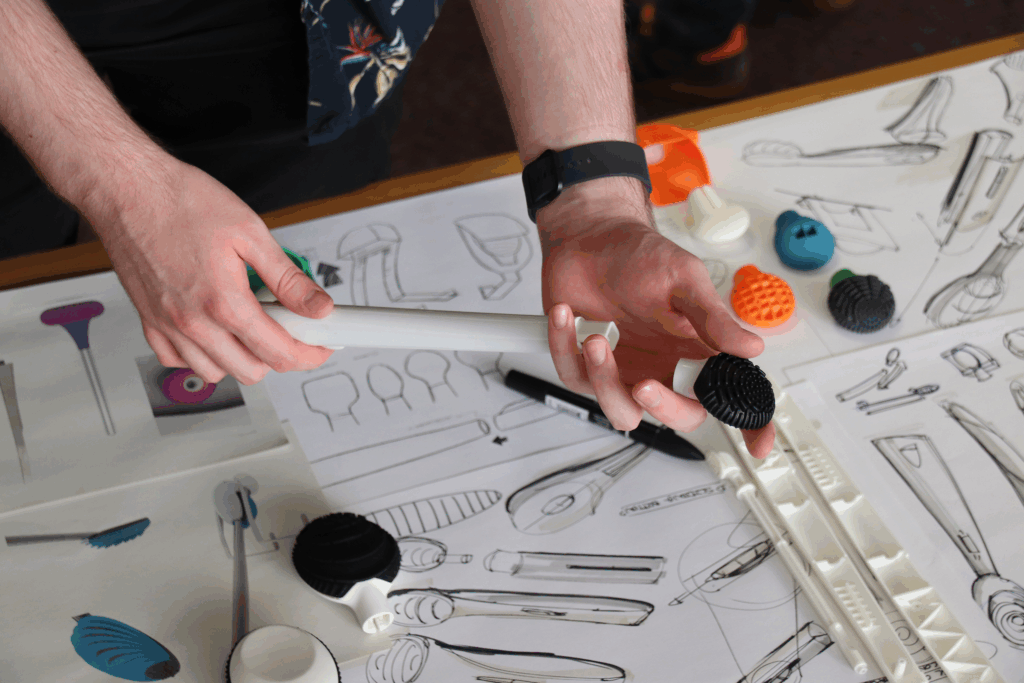
Prototyping and Iteration in Modern Product Development
Building and refining prototypes is a cornerstone of effective electronics design. Early models help teams validate concepts, test usability, and identify technical challenges before committing to full-scale production. Rapid prototyping methods, such as 3D printing and PCB fabrication, enable quick iterations and cost-effective troubleshooting.
During this stage, it’s vital to gather feedback from real users and stakeholders. Iterative testing uncovers unforeseen issues and guides improvements to both hardware and software. This approach minimizes risk and increases the likelihood of a successful launch.
Component Selection and Integration Strategies
Choosing the right components directly impacts performance, cost, and manufacturability. Factors to consider include:
- Availability: Opt for parts with stable supply chains to avoid production delays.
- Compatibility: Ensure that selected components work seamlessly together, both electrically and mechanically.
- Scalability: Design with future upgrades or product variations in mind, allowing for easy adaptation as technology evolves.
- Cost: Balance quality and price to meet budget constraints without sacrificing reliability.
For a deeper dive into material choices, our electronic product design pcb material selection resource provides valuable insights.
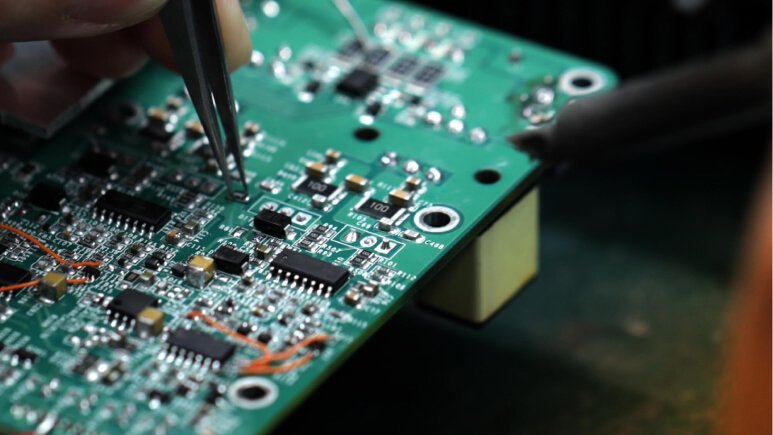
Manufacturing and Quality Assurance for Consumer Devices
Transitioning from prototype to mass production introduces new challenges. Manufacturers must address scalability, cost control, and quality consistency. Key steps include:
- Design for Manufacturability (DFM): Adjusting designs to simplify assembly and reduce production costs.
- Supplier Collaboration: Working closely with vendors to ensure component quality and timely delivery.
- Testing Protocols: Implementing rigorous quality checks at every stage, from incoming materials to finished products.
- Regulatory Compliance: Verifying that all products meet safety and environmental standards for target markets.
For a comprehensive overview of the electronics manufacturing process, explore this detailed guide to electronic design and manufacturing.
Lifecycle Management and Cost Optimization
Managing a product’s journey doesn’t end at launch. Ongoing support, updates, and cost analysis are critical for long-term success. Considerations include:
- Lifecycle Planning: Anticipate future updates, end-of-life strategies, and support requirements.
- Cost Analysis: Regularly review production and operational expenses to identify savings opportunities. Our electronic product lifecycle cost analysis article covers this in detail.
- Localization: Adapt products for different regions, languages, and regulatory environments. See our electronic product localization considerations for more information.
Integrating Mechanical and Electronic Design
Seamless integration between mechanical and electronic elements is essential for user satisfaction and product reliability. Collaborative workflows between engineers and designers help ensure that enclosures, connectors, and internal layouts support both function and aesthetics. For practical advice on this topic, refer to our electronic product mechanical integration guide.
Frequently Asked Questions
What are the most important factors in designing consumer electronics?
The most critical factors include understanding user needs, ensuring reliability, optimizing for manufacturability, and meeting regulatory standards. Attention to user experience and cost control also play major roles in a successful design process.
How can I reduce the risk of product failure after launch?
Early and thorough prototyping, extensive testing, and close collaboration with manufacturing partners help identify and resolve issues before mass production. Regular updates and responsive customer support further minimize post-launch risks.
Why is compliance important in electronics design?
Compliance ensures that products meet legal and safety standards in their target markets. Failing to comply can result in recalls, fines, or bans, making it a non-negotiable aspect of the design and manufacturing process.
