

For companies operating in the electronics sector, ensuring product quality, safety, and compliance is more important than ever. As global markets become increasingly competitive and regulations grow stricter, organizations are turning to ISO certified electronics testing to gain a critical edge. This approach not only helps businesses meet international standards but also brings a range of tangible advantages that impact reputation, efficiency, and profitability.
Understanding the benefits of ISO certified electronics testing can help decision-makers prioritize investments in quality assurance and compliance. By working with accredited testing labs and following recognized standards, businesses can reduce risks, improve customer satisfaction, and open doors to new markets. Before exploring these advantages in detail, it’s helpful to understand why ISO certification is considered a benchmark for reliability in the industry.
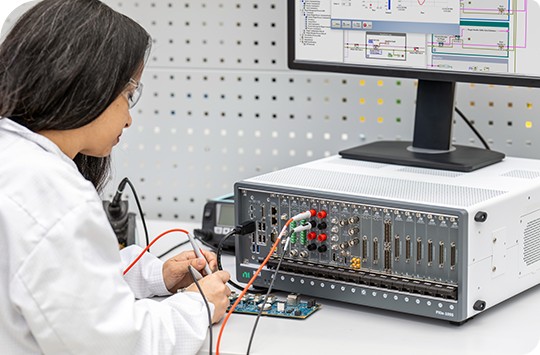
For a deeper dive into why these certifications matter for reliability, see why ISO certification matters in electronics testing.
Understanding ISO Standards in Electronics Testing
ISO (International Organization for Standardization) develops globally recognized standards that set requirements for quality, safety, and efficiency. In electronics, these standards cover everything from product design and manufacturing to testing and documentation. When a testing process is ISO certified, it means the procedures and results meet strict international criteria, providing confidence to manufacturers, regulators, and end users.
Some of the most relevant standards include ISO/IEC 17025 for laboratory competence, ISO 9001 for quality management, and sector-specific standards that address unique requirements in electronics. Adhering to these frameworks ensures that testing is consistent, traceable, and reliable.
Enhancing Product Quality and Reliability
One of the primary benefits of ISO certified electronics testing is the significant improvement in product quality and reliability. Certified testing processes are designed to detect defects, inconsistencies, and potential failures before products reach the market. This proactive approach minimizes recalls, warranty claims, and customer complaints.
By identifying issues early, businesses can implement corrective actions and refine their manufacturing processes. This leads to more robust products that perform as expected, even in demanding environments. Over time, this commitment to quality builds trust with customers and partners.
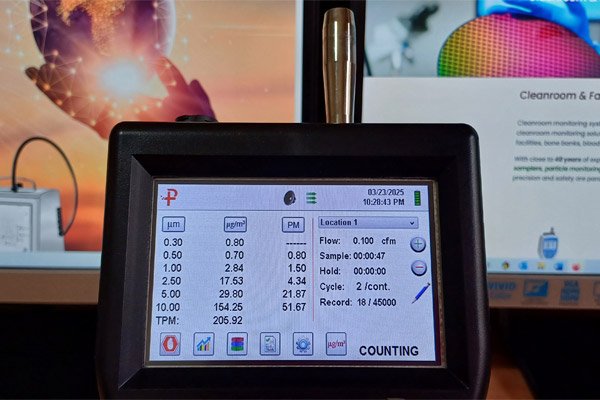
Meeting Regulatory and Market Requirements
Electronics manufacturers must comply with a wide range of regulations, both locally and internationally. ISO certified testing provides documented proof that products meet relevant safety, electromagnetic compatibility (EMC), and environmental standards. This is essential for gaining market access and avoiding costly delays or rejections.
For example, many countries require evidence of compliance with ISO standards before allowing electronics to be sold within their borders. Certification also simplifies the process of obtaining other approvals, such as CE marking in Europe or FCC certification in the United States.
To better understand what’s involved in meeting these obligations, review the ISO compliance requirements for electronics.
Boosting Business Reputation and Customer Confidence
A strong reputation is invaluable in the electronics industry, where reliability and safety are top priorities. ISO certified testing signals to customers, partners, and regulators that a business is committed to the highest standards. This can differentiate a company from competitors and make it a preferred supplier for major clients.
Displaying ISO certification on products and marketing materials provides an instant mark of credibility. Customers are more likely to trust products that have been independently tested and verified, leading to increased sales and long-term loyalty.
For more on how certification impacts quality, see the article on the importance of ISO certification in electronics testing.
Reducing Risks and Operational Costs
Implementing ISO certified testing processes helps businesses identify and address risks before they escalate. Early detection of design flaws, component failures, or process inconsistencies reduces the likelihood of costly recalls and legal liabilities. Over time, this leads to lower warranty expenses and fewer disruptions to production.
Additionally, standardized testing procedures improve efficiency by eliminating redundant checks and streamlining documentation. This not only saves time but also reduces operational costs, allowing resources to be allocated more effectively.

Facilitating Global Market Access
Expanding into new markets often requires compliance with a complex web of international regulations. ISO certified electronics testing acts as a universal language, demonstrating that products meet recognized benchmarks for safety and performance. This simplifies the approval process and reduces barriers to entry in regions with strict regulatory environments.
Many global supply chains now require ISO certification as a condition for partnership. By investing in accredited testing, businesses can position themselves as reliable suppliers and unlock opportunities for growth worldwide.
For a comprehensive overview of these testing processes, explore what is ISO certified electronics testing.
Supporting Continuous Improvement and Innovation
ISO standards emphasize ongoing improvement and adaptation. Certified testing labs regularly review and update their procedures to reflect new technologies, materials, and industry best practices. This culture of continuous improvement helps businesses stay ahead of emerging risks and capitalize on innovation.
By integrating feedback from testing results, manufacturers can refine product designs, optimize manufacturing processes, and respond quickly to changing market demands. This agility is essential for maintaining a competitive edge in a fast-moving industry.
Key Takeaways: Why Choose ISO Certified Testing?
- Enhanced product quality and reliability through rigorous, standardized testing
- Regulatory compliance that enables smoother market access and reduces legal risks
- Stronger reputation and increased customer confidence in your brand
- Lower operational costs and minimized risk of recalls or warranty claims
- Support for innovation and continuous improvement in products and processes
For additional insights into the technical aspects and standards involved, see ISO certified electronics testing explained.
If you want to understand the broader significance of these certifications, the article on the importance of ISO certification provides a helpful perspective.
Frequently Asked Questions
What does it mean for electronics testing to be ISO certified?
ISO certification in electronics testing indicates that a laboratory or testing process meets internationally recognized standards for quality, accuracy, and reliability. It assures customers and regulators that results are trustworthy and that the organization follows best practices.
How does ISO certified testing benefit manufacturers?
Manufacturers gain several advantages, including improved product quality, easier regulatory approval, reduced risk of recalls, and enhanced reputation. These benefits help companies compete effectively in both local and global markets.
Is ISO certification required for all electronics products?
While not always legally required, many markets and clients demand ISO certified testing as a condition for doing business. It is especially important for products that must meet strict safety or performance standards, or for companies seeking to export internationally.
