


In the electronics industry, the reliability of testing processes is a cornerstone of product quality and safety. As devices become more complex and expectations for performance rise, ensuring that every component and system meets stringent standards is critical. This is where ISO certification comes into play, providing a globally recognized framework for consistent, accurate, and trustworthy testing. Understanding why ISO certification matters in electronics testing can help manufacturers, suppliers, and end-users make informed decisions and maintain confidence in their products.
For those seeking a deeper dive into the regulatory landscape, the article on ISO compliance requirements for electronics offers a comprehensive overview of what’s involved in meeting these essential standards.
The Role of ISO Standards in Electronics Testing
ISO, or the International Organization for Standardization, develops and publishes standards that ensure products, services, and systems are safe, reliable, and of good quality. In electronics testing, ISO standards such as ISO/IEC 17025 and ISO 9001 are particularly significant. These standards set out the general requirements for the competence of testing and calibration laboratories, as well as quality management systems.
Adhering to ISO standards means that a laboratory or manufacturer follows a set of internationally agreed-upon procedures, which minimizes errors and inconsistencies. This is crucial for electronics, where even a minor fault can lead to product failures, recalls, or safety hazards. For more details on the foundational standards, see ISO certified electronics testing explained.
How Certification Improves Testing Reliability
One of the main reasons ISO certification is vital for electronics testing reliability is its focus on repeatability and accuracy. Certified labs must demonstrate that their testing methods produce consistent results, regardless of who performs the test or when it is conducted. This is achieved through:
- Standardized Procedures: All tests are carried out using documented, validated methods.
- Regular Calibration: Equipment is routinely checked and calibrated to ensure accuracy.
- Competent Personnel: Staff are trained and assessed to maintain high standards.
- Traceability: Results can be traced back to recognized standards, adding another layer of reliability.
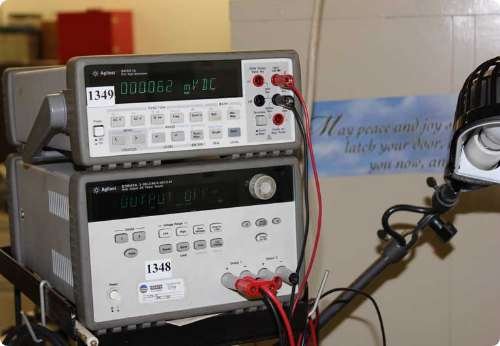
These practices not only reduce the risk of faulty products but also build trust with customers and regulatory bodies. When a company’s testing processes are ISO certified, stakeholders know that the results are credible and that the products are less likely to fail in the field.
Key Benefits of ISO-Certified Electronics Testing
There are several tangible advantages to working with ISO-certified testing facilities or implementing ISO standards within your own operations:
- Enhanced Product Quality: Consistent testing leads to fewer defects and higher-performing products.
- Regulatory Compliance: Many markets require proof of compliance with international standards.
- Market Access: Certification can open doors to global markets that demand rigorous testing protocols.
- Risk Reduction: Reliable testing minimizes the likelihood of recalls, warranty claims, and safety incidents.
- Customer Confidence: Certification signals a commitment to quality, which can strengthen business relationships.
For a more detailed look at how these benefits play out in practice, the article on importance of ISO certification in electronics testing provides valuable insights.
ISO Certification and the Electronics Supply Chain
Reliability in electronics testing doesn’t just affect manufacturers; it impacts the entire supply chain. Distributors, retailers, and end-users all rely on the integrity of test results to ensure the products they handle are safe and functional. ISO certification helps create a common language of quality and reliability, reducing misunderstandings and disputes between parties.
For suppliers, being able to show that their products have been tested in ISO-certified labs can be a key differentiator in a competitive market. It can also simplify audits and reduce the need for duplicate testing, saving both time and resources.

Common ISO Standards in Electronics Testing
Several ISO standards are particularly relevant to electronics testing. Here are some of the most important:
| Standard | Focus Area | Application |
|---|---|---|
| ISO/IEC 17025 | Testing & Calibration Laboratories | Ensures lab competence and accuracy |
| ISO 9001 | Quality Management Systems | Improves process consistency and documentation |
| ISO 14001 | Environmental Management | Reduces environmental impact of testing |
| ISO/IEC 17020 | Inspection Bodies | Assures impartiality and reliability in inspections |
For a comprehensive explanation of these and other standards, visit this overview of ISO standards in electronics factories.
Challenges in Achieving and Maintaining Certification
While the benefits of ISO certification are clear, achieving and maintaining compliance can be demanding. Organizations must invest in training, documentation, and regular audits. The process requires a commitment to continuous improvement and a willingness to adapt as standards evolve. However, the long-term gains in reliability, efficiency, and market reputation make these efforts worthwhile.
For those new to the process, what is ISO certified electronics testing provides a step-by-step guide to understanding the journey from initial assessment to full certification.
Integrating ISO Standards Into Everyday Practice
Embedding ISO principles into daily operations is not just about passing audits. It’s about building a culture of quality and accountability. This includes:
- Regularly reviewing and updating procedures
- Encouraging open communication about quality issues
- Investing in staff development and technical training
- Leveraging technology to automate and monitor compliance
By making ISO standards a natural part of the workflow, organizations can ensure that reliability in electronics testing is not a one-time achievement, but an ongoing commitment.
Frequently Asked Questions
What is the main purpose of ISO certification in electronics testing?
The primary goal is to ensure that testing processes are consistent, accurate, and meet internationally recognized standards. This helps guarantee the safety, reliability, and performance of electronic products.
How does ISO certification impact product recalls and warranty claims?
By improving the accuracy and repeatability of testing, ISO certification reduces the likelihood of defects reaching the market. This, in turn, lowers the risk of costly recalls and warranty issues, protecting both consumers and manufacturers.
Is ISO certification mandatory for electronics testing labs?
While not always legally required, many customers, regulators, and markets demand ISO certification as proof of quality and competence. It is often a prerequisite for doing business in certain sectors or regions.
Where can I learn more about how ISO standards are applied in electronics testing?
For a detailed exploration, see how ISO standards apply to electronics testing, which covers specific applications and best practices.
