


The rise of wearable health technology has transformed how people monitor their well-being. From smartwatches tracking heart rates to advanced biosensors measuring blood oxygen, these devices promise real-time insights and early detection of health issues. Yet, one of the most important questions for users and healthcare professionals is: how reliable are these measurements? Understanding the accuracy of medical wearables is essential for making informed decisions about their use in everyday life and clinical settings.
As the adoption of digital health tools grows, so does the need to evaluate their precision, consistency, and limitations. This article explores what impacts the reliability of wearable medical devices, how their data compares to traditional medical equipment, and what users should know to interpret their results with confidence.
For those interested in how artificial intelligence shapes this field, our guide on how AI improves wearable devices provides a deeper look at the latest advancements.
What Influences the Precision of Wearable Health Devices?
Several factors contribute to the accuracy of medical wearables. These devices rely on a combination of sensors, algorithms, and user behavior. The following elements play a significant role:
- Sensor Quality: The type and quality of sensors—such as photoplethysmography (PPG) for heart rate or accelerometers for activity tracking—directly affect measurement reliability.
- Device Placement: Wearables must be worn correctly. For example, a loose smartwatch may give inconsistent pulse readings, while a chest strap can offer more precise heart rate data.
- Skin Tone and Physiology: Variations in skin color, tattoos, or body hair can interfere with optical sensors, impacting the accuracy of readings.
- Movement and Environment: Physical activity, sweat, or ambient light can introduce noise into sensor data, making it harder for the device to produce consistent results.
- Algorithm Sophistication: The software that processes raw sensor data is crucial. Advanced algorithms can filter out noise and compensate for certain variables, but limitations remain.
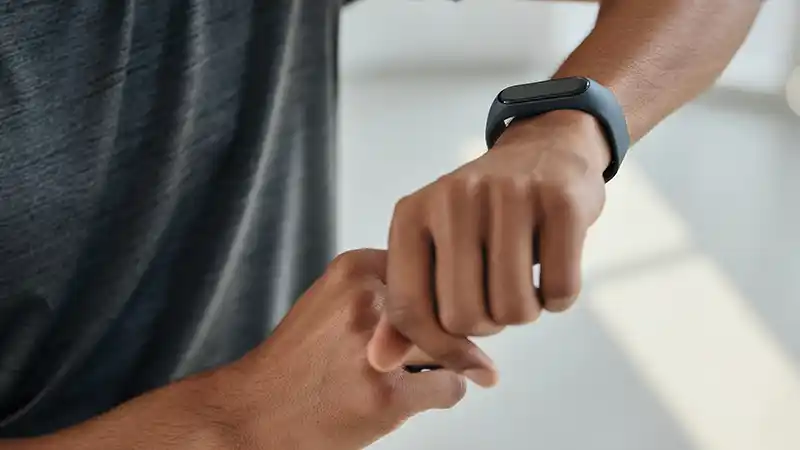
Comparing Wearable Data to Clinical Standards
One of the main concerns with wearable health technology is how its data stacks up against traditional medical devices. Clinical equipment, such as ECG machines or blood pressure cuffs, undergoes rigorous testing and calibration. In contrast, consumer wearables are designed for convenience and continuous use, sometimes at the expense of medical-grade precision.
Studies have shown that while many wearables provide reasonably accurate heart rate and step count data under controlled conditions, their performance can vary in real-world settings. For example, heart rate monitors may be less reliable during high-intensity exercise or when worn loosely. Blood oxygen sensors in smartwatches can offer useful trends but may not match the accuracy of dedicated pulse oximeters.
For a deeper understanding of how advanced analytics enhance these devices, see our article on predictive analytics in wearables.
Common Metrics and Their Reliability
The most popular measurements provided by wearable health devices include:
- Heart Rate: Generally reliable at rest, but accuracy may decrease with movement or poor fit.
- Blood Oxygen (SpO2): Useful for tracking trends, but not a substitute for clinical oximeters in critical situations.
- ECG/EKG: Some smartwatches can record single-lead ECGs, which can detect irregular rhythms but are not as comprehensive as multi-lead clinical tests.
- Sleep Tracking: Estimates sleep duration and stages, but may misclassify periods of wakefulness or restlessness.
- Step Count and Activity: Step tracking is generally accurate for walking, but may over- or underestimate during non-standard movements.
How Manufacturers Test and Validate Wearable Accuracy
Device makers use a variety of methods to validate the accuracy of medical wearables. These include:
- Comparing device readings to gold-standard clinical equipment in controlled studies
- Testing across diverse populations to account for differences in skin tone, age, and health status
- Continuous software updates to improve algorithms and address known issues
- Seeking regulatory clearance (such as FDA approval) for features intended for medical use
However, not all wearables are subject to the same level of scrutiny. Devices marketed as wellness or fitness trackers may not undergo the same testing as those intended for medical diagnosis or monitoring.
For more on the intersection of technology and health, the article on machine learning in wearables explores how data-driven approaches are shaping the future of digital health.
Limitations and Considerations for Users
While wearable health devices offer valuable insights, users should be aware of their limitations:
- Wearable data should not replace professional medical advice or diagnosis.
- Device readings can be affected by user error, device placement, and environmental factors.
- Trends over time are often more meaningful than single measurements.
- Not all features are validated for all populations—children, older adults, and people with certain health conditions may see different results.
For those living in remote or off-grid environments, integrating wearable technology with sustainable practices can provide unique health benefits. Learn more about this approach in our feature on regenerative living off-grid.
Recent Developments and the Future of Wearable Accuracy
The field of wearable health technology is advancing rapidly. New sensor technologies, improved algorithms, and integration with artificial intelligence are making devices more reliable and versatile. Regulatory agencies are also working to establish clearer standards for device validation and marketing claims.
As these technologies evolve, users can expect better accuracy, more personalized insights, and greater integration with healthcare systems. For a broader look at where the industry is headed, see our discussion on AI future trends elderly home care.
For a foundational overview of wearable technology and its applications, visit this comprehensive guide to wearable technology.
FAQ
How accurate are wearable devices for monitoring heart rate?
Most consumer wearables provide reasonably accurate heart rate measurements at rest. However, their reliability may decrease during intense exercise, rapid movement, or if the device is not worn correctly. For critical health monitoring, clinical-grade equipment is still the gold standard.
Can I rely on my smartwatch for medical decisions?
While smartwatches and fitness trackers offer useful health trends, they should not be used as a substitute for professional medical advice or diagnosis. Always consult a healthcare provider if you have concerns about your health or receive unexpected readings.
What factors affect the accuracy of wearable health devices?
Several factors can impact measurement reliability, including sensor quality, device placement, skin tone, movement, and environmental conditions. Following manufacturer guidelines and understanding device limitations can help users get the most accurate results.
