


The landscape of home care for older adults is undergoing a significant transformation, driven by rapid advancements in artificial intelligence. As populations age worldwide, the integration of AI into home care solutions is becoming essential for supporting independence, safety, and well-being. This article explores AI future trends elderly home care and how these innovations are shaping the next generation of support for seniors and their families.
From intelligent monitoring systems to predictive health analytics, AI is enabling more personalized, responsive, and proactive care than ever before. These technologies not only benefit seniors but also provide peace of mind for caregivers and loved ones. For those interested in related innovations, our guide on predictive analytics in wearables offers further insights into how data-driven devices are enhancing daily life.
Emerging AI Innovations in Senior Home Support
The adoption of artificial intelligence in home care is accelerating, with several key technologies leading the way. These include smart sensors, voice-activated assistants, and AI-driven health monitoring platforms. Each of these tools is designed to address the unique needs of older adults, from fall detection to medication reminders and emergency response.
- Smart home sensors: Devices that monitor movement, temperature, and even air quality, alerting caregivers to unusual patterns or potential hazards.
- Conversational AI: Voice assistants that help with daily routines, provide companionship, and connect users to emergency services when needed.
- Predictive analytics: Systems that analyze health data to anticipate issues such as dehydration, infections, or cognitive decline, enabling early intervention.
These innovations are not only improving quality of life but also reducing the burden on family members and professional caregivers. As AI becomes more intuitive and accessible, its role in elderly home care will continue to expand.
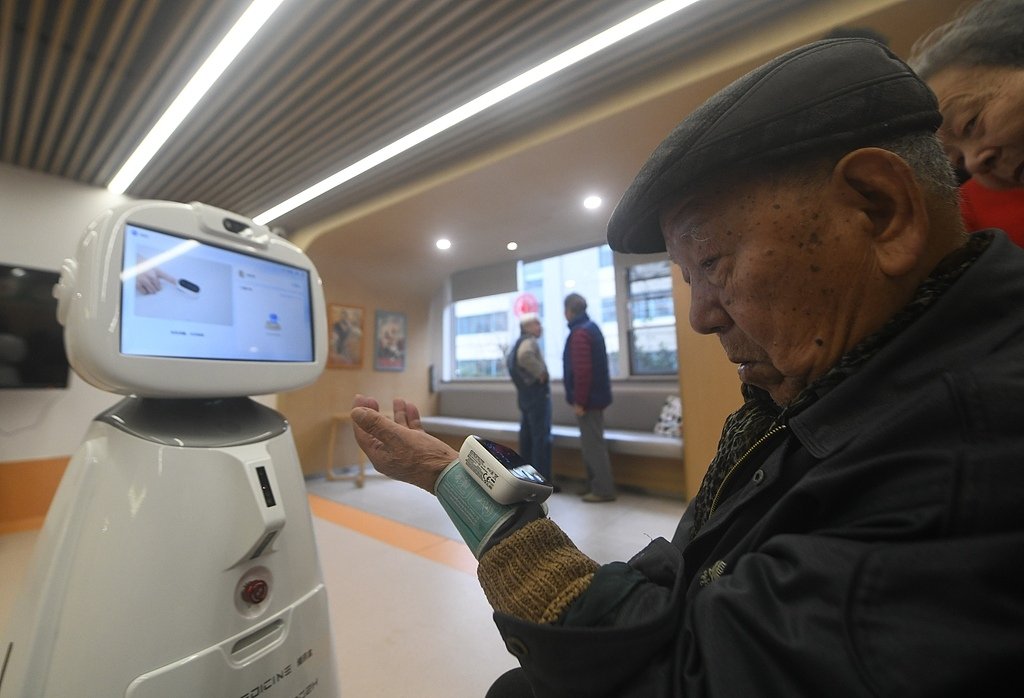
Personalized and Proactive Care Through Artificial Intelligence
One of the most promising aspects of AI future trends elderly home care is the shift toward highly personalized and proactive support. AI-powered platforms can learn individual routines, preferences, and health baselines, allowing them to detect subtle changes that might indicate a problem.
For example, wearable devices equipped with AI can monitor heart rate, sleep patterns, and activity levels, alerting both users and caregivers to potential concerns. These systems can also send reminders for medication, hydration, and appointments, reducing the risk of missed doses or forgotten tasks. For a deeper dive into how these technologies process information in real time, see our article on real time data processing in wearables.
The proactive nature of AI-driven care means that interventions can happen before minor issues become serious health events. This not only improves outcomes for seniors but also helps manage healthcare costs and resource allocation.
Enhancing Safety and Independence at Home
Safety is a top concern for older adults living independently. AI-powered systems are making it easier to detect falls, monitor for wandering in those with dementia, and provide instant access to help in emergencies. These solutions are often unobtrusive, working in the background to support daily living without intruding on privacy.
Video monitoring, when used ethically and with consent, can further enhance security. Smart cameras can distinguish between normal activity and potential threats, sending alerts only when necessary. Combined with wearable emergency buttons and voice-activated calls for help, these tools create a comprehensive safety net.
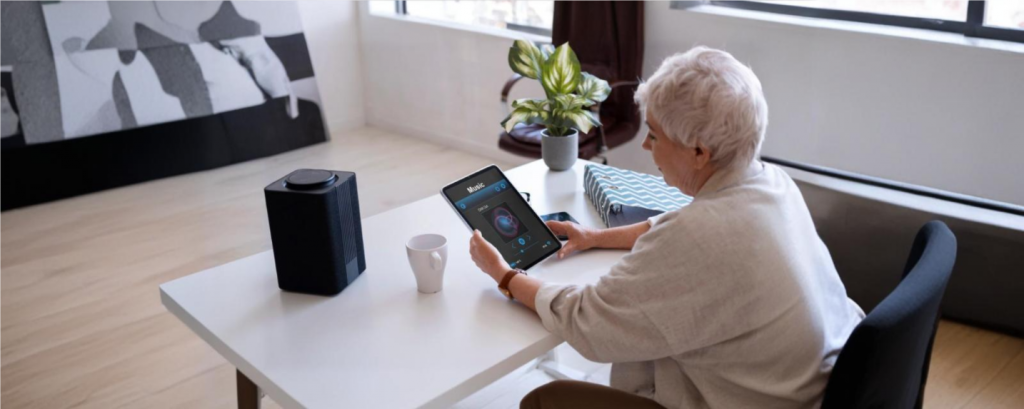
Challenges and Ethical Considerations in AI-Driven Home Care
While the benefits of AI in elderly care are substantial, there are important challenges to address. Privacy and data security are at the forefront, as these systems often collect sensitive health and behavioral information. Ensuring that data is protected and used ethically is critical to building trust among users and their families.
Another consideration is the risk of over-reliance on technology. While AI can supplement human care, it should not replace the personal connection and empathy that caregivers provide. Striking the right balance between automation and human touch will be essential as these technologies become more widespread.
For a professional perspective on these issues and the broader implications for healthcare, see this in-depth analysis of artificial intelligence in geriatric health care.
What’s Next for AI and Elderly Home Care?
Looking ahead, the future of AI in home care for seniors is likely to feature even greater integration with smart home devices, improved natural language processing, and more robust predictive analytics. As machine learning models become more sophisticated, they will be able to anticipate needs and adapt to changing health conditions with increasing accuracy.
There is also growing interest in combining AI with other sustainable living approaches, such as those found in regenerative living off-grid communities. These environments may leverage AI to optimize energy use, monitor wellness, and foster social connections, further enhancing quality of life for older adults.
As these trends continue, collaboration between technology developers, healthcare professionals, and end users will be crucial to ensure that solutions remain accessible, ethical, and effective.
FAQ: AI and the Future of Elderly Home Care
How does AI improve safety for seniors living at home?
AI-powered systems can detect falls, monitor for unusual activity, and provide instant alerts in emergencies. These tools help reduce response times and ensure that help is available when needed, supporting both safety and independence.
What are the main privacy concerns with AI in home care?
The collection and analysis of personal health and behavioral data raise concerns about privacy and data security. It’s important that AI solutions use strong encryption, transparent data policies, and give users control over their information.
Can AI replace human caregivers in elderly home care?
While AI can automate many tasks and provide valuable support, it cannot replace the empathy, judgment, and companionship that human caregivers offer. The best outcomes are achieved when AI is used to supplement, not substitute, personal care.
What should families consider when choosing AI-based home care solutions?
Families should look for systems that prioritize privacy, offer user-friendly interfaces, and provide clear benefits for the specific needs of their loved ones. Consulting with healthcare professionals and reviewing independent evaluations can also help in making informed decisions.
