

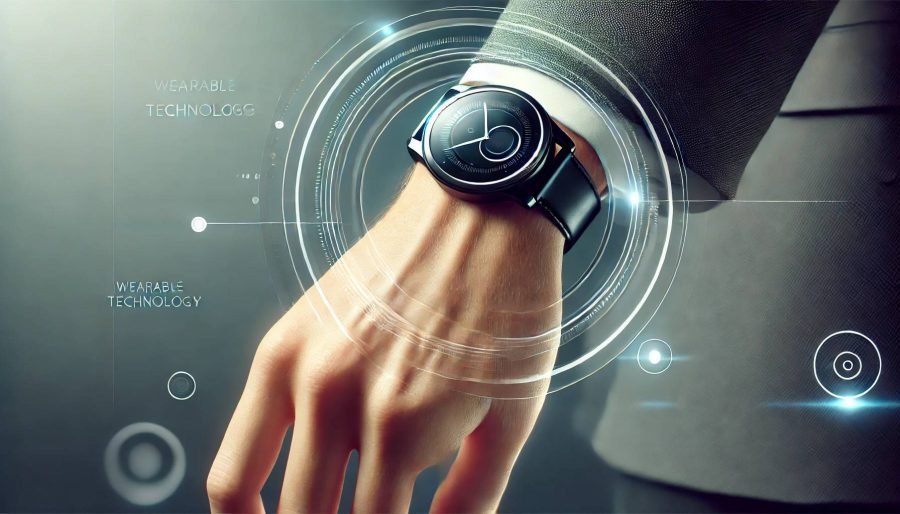
Wearable technology has rapidly evolved over the past decade, transforming how we monitor health, track fitness, and interact with our digital world. At the heart of many of these innovations are motion sensors in wearable devices, which enable smartwatches, fitness trackers, and other gadgets to detect movement, orientation, and activity levels. Understanding how these sensors work and their applications can help users and developers make informed choices about the wearables they use or create.
Before delving into the technical details, it’s important to recognize the broader context of electronic product development. For those interested in the rigorous testing processes behind these technologies, the electronic product design performance testing guide offers valuable insights into ensuring reliability and accuracy in modern devices.
Understanding the Role of Motion Sensors
The integration of motion sensors in wearable devices has opened up new possibilities for personal health monitoring, sports analytics, and even safety applications. These tiny components are responsible for detecting and interpreting movement, which can then be translated into actionable data such as step counts, sleep patterns, and posture analysis.
Most wearables rely on a combination of different sensor types to provide accurate and comprehensive motion tracking. The most common types include accelerometers, gyroscopes, and magnetometers. Each plays a unique role in capturing various aspects of motion and orientation.

Types of Motion Sensors Used in Wearables
Accelerometers
Accelerometers are among the most widely used sensors in wearables. They measure acceleration forces in one or more directions, allowing devices to detect movement, orientation, and vibration. For example, when you take a step, the accelerometer senses the change in speed and direction, enabling step counting and activity recognition.
Gyroscopes
Gyroscopes measure rotational movement and angular velocity. When combined with accelerometers, they provide a more complete picture of how a device is moving through space. This combination is essential for applications such as gesture recognition, fall detection, and advanced fitness tracking.
Magnetometers
Magnetometers detect magnetic fields and are often used to determine orientation relative to the Earth’s magnetic field. In wearables, they are typically paired with other sensors to improve accuracy in navigation and direction-based features.
How Motion Sensing Enhances Wearable Functionality
The real value of motion sensors in wearable devices lies in their ability to translate raw movement data into meaningful insights. Here are some key ways these sensors enhance the user experience:
- Activity Tracking: Sensors monitor steps, distance, and calories burned, providing users with real-time feedback on their physical activity.
- Sleep Monitoring: By detecting subtle movements and periods of restlessness, wearables can estimate sleep duration and quality.
- Gesture Control: Some smartwatches and fitness bands use motion data to enable gesture-based controls, such as raising a wrist to activate the display.
- Fall Detection: Advanced algorithms analyze sudden changes in motion to detect falls and can trigger alerts or emergency responses.
- Posture Analysis: Wearables can help users maintain proper posture by providing feedback based on movement patterns.

Challenges and Considerations in Sensor Integration
While the benefits of motion sensing are clear, integrating these components into wearables comes with challenges. Designers must balance accuracy, power consumption, and device size. High-precision sensors often require more energy, which can impact battery life—a critical factor in user satisfaction.
Additionally, sensor calibration and data interpretation are complex tasks. Environmental factors, such as temperature and electromagnetic interference, can affect sensor performance. Developers must implement robust algorithms to filter out noise and ensure reliable results.
For those interested in the broader context of electronic product development, topics like electronic product design pcb material selection and electronic product mechanical integration guide provide further insight into the complexities of bringing advanced wearables to market.
Emerging Trends and Future Applications
The landscape of wearable technology continues to evolve. Recent advancements include the integration of additional sensor types, such as barometers and biosensors, which work alongside motion detectors to provide even richer data. Machine learning algorithms are also being used to interpret sensor data more accurately, enabling features like personalized fitness coaching and early detection of health issues.
Beyond fitness and health, motion detection is finding applications in fields such as workplace safety, elder care, and even gaming. As sensor technology becomes more sophisticated and energy-efficient, we can expect wearables to play an increasingly important role in daily life.
For a deeper look at how innovation is shaping this sector, the article on the latest advancements in wearable technology provides a comprehensive overview of current trends and future possibilities.
Frequently Asked Questions
What are the most common motion sensors found in wearables?
Most wearables use a combination of accelerometers, gyroscopes, and magnetometers. These sensors work together to detect movement, orientation, and direction, enabling features such as step counting, sleep tracking, and gesture recognition.
How do motion sensors impact battery life in wearable devices?
Motion sensors require power to operate, and their impact on battery life depends on their precision and how frequently they collect data. Manufacturers optimize sensor usage and implement power-saving algorithms to extend battery performance without sacrificing accuracy.
Can motion sensors in wearables be used for medical purposes?
Yes, motion detection is increasingly used in medical and health applications. Wearables can monitor physical activity, detect falls, and assist in rehabilitation by tracking movement patterns. However, medical-grade accuracy and regulatory approval are essential for clinical use.
