

Optimizing the performance of electronic products is essential for ensuring reliability, efficiency, and a competitive edge in today’s technology-driven markets. Whether you’re developing consumer electronics, industrial devices, or specialized hardware, a systematic approach to improvement can make the difference between success and costly setbacks. This electronic product performance optimization guide provides practical strategies and actionable insights for engineers, designers, and product managers aiming to enhance every aspect of their devices.
Before diving into the technical details, it’s important to recognize that optimization is not a one-time event. It’s an ongoing process that spans from initial concept through prototyping, testing, and even post-launch refinement. For those interested in a deeper dive into related topics, the electronic product design performance testing guide offers valuable information on ensuring your product meets rigorous standards from the outset.

Key Principles for Maximizing Electronic Product Efficiency
To achieve optimal performance, it’s crucial to focus on several foundational principles throughout the product development lifecycle. These include:
- Design for Performance: Early-stage decisions on architecture, component selection, and layout have a lasting impact on speed, power consumption, and thermal management.
- Iterative Prototyping: Building and testing prototypes allows teams to identify bottlenecks and inefficiencies before committing to large-scale production.
- Comprehensive Testing: Rigorous validation ensures that products function reliably under real-world conditions and meet regulatory requirements.
- Continuous Feedback: Gathering data from users and field deployments helps refine and enhance product capabilities over time.
By embedding these principles into your workflow, you lay the groundwork for a device that not only meets but exceeds user expectations.
Optimizing Hardware Design and Component Selection
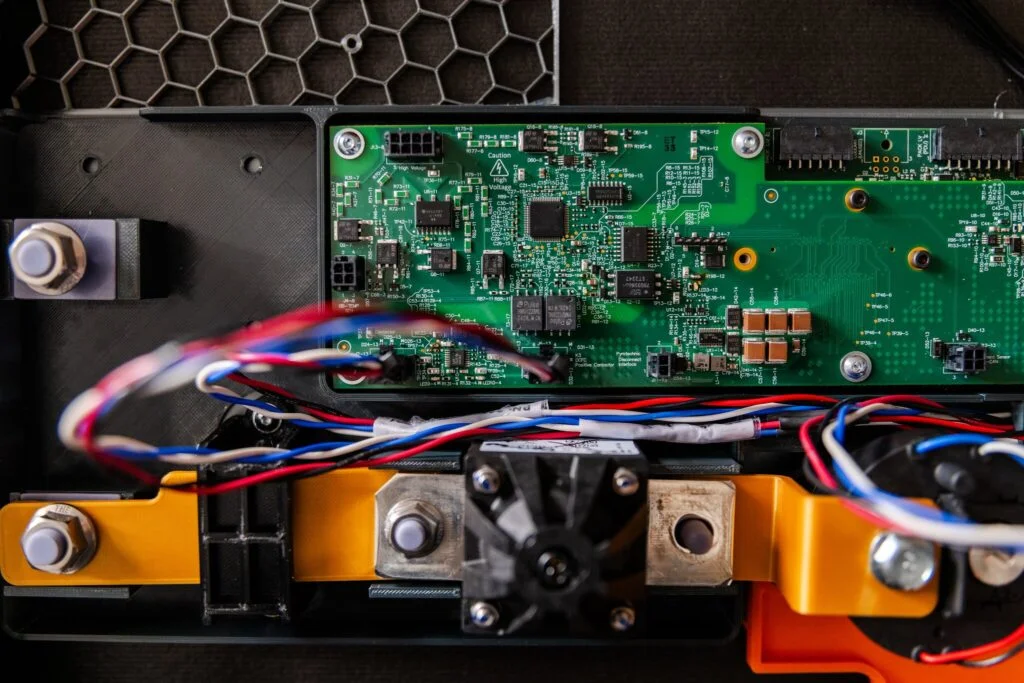
One of the most impactful ways to boost device performance is through thoughtful hardware design. This involves selecting the right components, optimizing PCB layouts, and ensuring robust mechanical integration. For a detailed look at material choices, the electronic product design pcb material selection resource provides in-depth guidance.
Component Selection Strategies
- Prioritize Quality: Use reputable suppliers and proven components to minimize failure rates and ensure consistent performance.
- Balance Cost and Capability: Evaluate trade-offs between advanced features and budget constraints to achieve the best value.
- Plan for Scalability: Choose components that support future upgrades or increased production volumes.
PCB Layout and Signal Integrity
Efficient PCB design is vital for minimizing interference, reducing power loss, and maintaining signal integrity. Techniques such as controlled impedance routing, proper grounding, and minimizing trace lengths can significantly enhance overall device function.
Firmware and Software Optimization Techniques
Beyond hardware, software plays a pivotal role in device performance. Efficient code, streamlined algorithms, and effective resource management can unlock new levels of speed and responsiveness.
- Code Profiling: Identify bottlenecks and optimize critical routines to reduce latency and power consumption.
- Memory Management: Use efficient data structures and avoid memory leaks to ensure stability over long operating periods.
- Update Mechanisms: Implement secure and reliable firmware update processes to enable post-deployment improvements.
Integrating these practices into your development cycle ensures that your product remains robust and adaptable as requirements evolve.
Thermal Management and Power Efficiency
Heat and energy consumption are two of the most common challenges in electronics. Effective thermal management and power optimization not only extend device lifespan but also enhance user safety and satisfaction.

- Thermal Design: Use heat sinks, thermal vias, and appropriate enclosure materials to dissipate heat efficiently.
- Low-Power Modes: Incorporate sleep and standby states to reduce energy usage during idle periods.
- Power Supply Optimization: Select efficient regulators and design circuits to minimize losses.
These measures contribute to a more reliable and environmentally friendly product.
Testing, Validation, and Continuous Improvement
Comprehensive testing is essential for verifying that your device meets performance targets and regulatory standards. This includes functional testing, stress testing, and environmental validation. For more on this topic, refer to the electronic product lifecycle cost analysis resource, which highlights the importance of considering long-term performance and maintenance costs.
- Automated Testing: Implement scripts and hardware-in-the-loop setups to accelerate validation and catch issues early.
- Field Testing: Deploy prototypes in real-world environments to gather actionable feedback.
- Iterative Refinement: Use test results to drive design improvements and software updates.
Mechanical Integration and Environmental Considerations
Mechanical design and environmental factors can have a significant impact on electronic device performance. Ensuring robust integration between electronic and mechanical components helps prevent failures due to vibration, moisture, or temperature extremes. For further reading, the electronic product mechanical integration guide offers practical advice on this subject.
- Enclosure Design: Select materials and sealing methods that protect sensitive electronics from dust, water, and impact.
- Vibration Mitigation: Use shock-absorbing mounts and secure fasteners to prevent mechanical stress.
- Compliance Testing: Ensure your product meets relevant industry standards for safety and durability.
Leveraging Industry Best Practices and Resources
Staying informed about the latest trends and best practices is key to maintaining a competitive advantage. Many successful teams regularly consult industry resources and collaborate with experienced partners. For a broader perspective, consider reading these expert tips for electronic product development success to further enhance your optimization strategies.
Additionally, localization can play a crucial role in adapting products for different markets. The electronic product localization considerations guide provides insights into tailoring your device for global deployment.
FAQ: Electronic Device Optimization
What are the most common pitfalls in optimizing electronic products?
Some frequent challenges include inadequate testing, overlooking thermal management, and failing to consider scalability. Early planning and iterative validation can help avoid these issues.
How can I ensure my device remains efficient after launch?
Implementing robust update mechanisms, monitoring field performance, and gathering user feedback are effective ways to maintain and improve efficiency over time.
Why is component selection so important for performance?
The choice of components affects everything from speed and power consumption to reliability and cost. Prioritizing quality and compatibility during selection is critical for achieving optimal results.
Conclusion
Enhancing the performance of electronic products requires a holistic approach that spans design, testing, software, and ongoing refinement. By applying the strategies outlined in this electronic product performance optimization guide, teams can deliver devices that are efficient, reliable, and ready to meet the demands of today’s markets. Regularly consulting industry resources and leveraging expert insights will further strengthen your optimization efforts and help ensure long-term success.
