


As wearable devices become an integral part of daily life, the technology powering them continues to evolve. One of the most transformative features found in modern wearables is NFC in wearable technology. This capability enables seamless communication, secure transactions, and effortless data exchange, all with a simple tap or proximity gesture. Understanding how Near Field Communication is integrated into wearables is key to appreciating the convenience and innovation these devices offer.
In this article, we’ll break down how NFC works within smartwatches, fitness trackers, and other wearables. We’ll also explore the benefits, real-world applications, and security considerations, helping you make informed decisions about adopting or developing NFC-enabled wearables. For a broader look at trends and innovations, check out our guide to emerging wearable technologies.
Understanding NFC and Its Role in Smart Devices
Near Field Communication (NFC) is a short-range wireless technology that allows two electronic devices to communicate when they are within a few centimeters of each other. Unlike Bluetooth or Wi-Fi, NFC is designed for quick, secure exchanges of small amounts of data. This makes it ideal for applications like contactless payments, access control, and device pairing.
In the context of wearables, NFC chips are embedded directly into devices such as smartwatches, fitness bands, and even rings. These chips enable users to interact with compatible terminals or other devices simply by bringing their wearable close to the reader. This hands-free, intuitive interaction is a major reason why NFC has become a standard feature in many modern wearables.
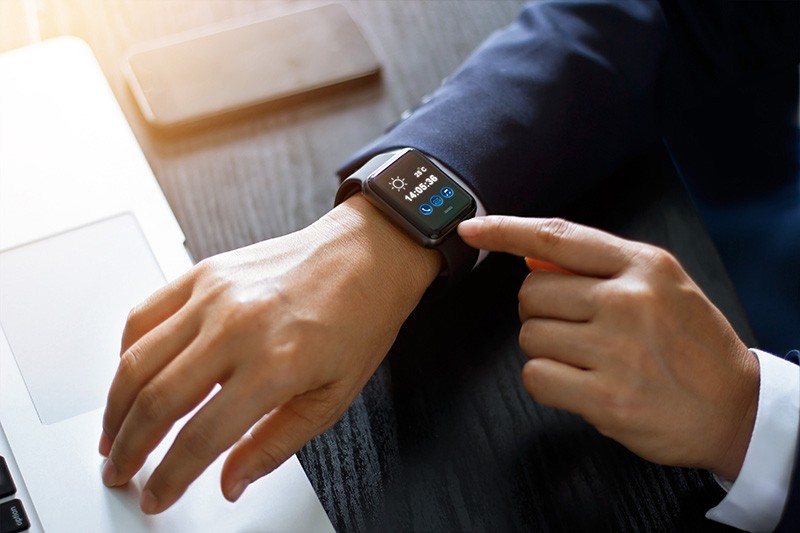
Key Benefits of NFC in Wearable Devices
The integration of NFC in wearable technology brings a host of advantages for both consumers and businesses. Here are some of the most significant benefits:
- Convenience: Users can make payments, unlock doors, or share information with a simple tap, eliminating the need to carry cards or remember passwords.
- Security: NFC transactions are typically encrypted and require close proximity, reducing the risk of interception or unauthorized access.
- Speed: Interactions are nearly instantaneous, making everyday tasks more efficient and reducing wait times at checkout or entry points.
- Versatility: NFC can be used for a wide range of applications, from public transport ticketing to health data transfer and event access.
- Energy Efficiency: NFC uses very little power, which is ideal for battery-operated wearables.
Popular Use Cases for NFC in Wearables
The practical applications of NFC in wearable technology are expanding rapidly. Some of the most common and impactful use cases include:
- Contactless Payments: Smartwatches and fitness bands with NFC allow users to pay at retail stores, vending machines, and transit gates without reaching for their wallet or phone.
- Access Control: Wearables can serve as digital keys for offices, hotels, gyms, and vehicles, streamlining entry and enhancing security.
- Public Transportation: Many cities now support NFC-enabled ticketing, letting commuters tap their wearable to board buses, trains, or subways.
- Health and Fitness Data Sharing: NFC can transfer workout summaries, health metrics, or emergency information to compatible equipment or healthcare providers.
- Device Pairing: Quickly connect headphones, speakers, or other smart devices by tapping your wearable, simplifying the setup process.
How NFC Works in Wearable Technology
At the heart of NFC-enabled wearables is a tiny chip and antenna. When the device is brought close to a compatible reader or terminal, the chip is powered by the electromagnetic field generated by the reader. This allows for a secure exchange of data without the need for a battery-powered transmitter.
The process typically involves three steps:
- Initiation: The wearable is placed near an NFC reader.
- Data Exchange: The devices communicate using a secure protocol, authenticating and transferring the necessary information.
- Confirmation: The transaction or action is completed, often accompanied by a vibration or on-screen notification.
This simplicity is what makes NFC so attractive for wearables, especially in scenarios where speed and ease of use are critical.
Security and Privacy Considerations
While NFC is generally considered secure due to its short range and encryption, users and developers should be aware of potential risks. For example, lost or stolen wearables could be used for unauthorized transactions if not properly protected. Many devices address this by requiring biometric authentication or PIN codes before completing sensitive actions.
Additionally, NFC chips can be disabled or locked remotely if a device is lost, further enhancing security. It’s important for users to enable all available security features and for developers to follow best practices in encryption and authentication.
For a deeper dive into the technical and user experience aspects, see our article on user experience challenges in wearables.
Future Trends and Innovations in NFC-Enabled Wearables
The future of NFC in wearable technology is promising, with ongoing advancements in both hardware and software. Miniaturization is allowing NFC chips to be embedded in even smaller devices, such as rings and clothing. Meanwhile, integration with other technologies—like biometric sensors and cloud services—is expanding the range of possible applications.
Developers are also exploring new ways to use NFC for health monitoring, emergency response, and personalized experiences. As interoperability improves, users can expect even more seamless interactions between their wearables and the world around them.
To explore how these devices connect and communicate, visit our overview of wearable connectivity explained.
Further Reading and Resources
If you’re interested in the engineering and scientific principles behind these innovations, the ScienceDirect guide to wearable technology offers in-depth technical information and research.
For those considering developing or adopting NFC-enabled wearables, it’s also valuable to understand the differences between native vs hybrid wearable apps and how human centered design for wearables can improve usability and adoption.
Frequently Asked Questions
What is NFC and how does it differ from Bluetooth in wearables?
NFC (Near Field Communication) is a short-range wireless technology designed for quick, secure exchanges of small amounts of data when devices are within a few centimeters of each other. Bluetooth, on the other hand, supports longer-range communication and higher data transfer rates but typically requires pairing and more power. NFC is ideal for fast, contactless interactions like payments and access control, while Bluetooth is better suited for continuous data transfer, such as syncing fitness data.
Are NFC-enabled wearables safe for making payments?
Yes, NFC-enabled wearables are generally safe for payments. Transactions are encrypted and require close proximity, which reduces the risk of interception. Most devices also require authentication, such as a PIN or biometric verification, before completing a payment, adding an extra layer of security.
Can NFC in wearables be used for purposes other than payments?
Absolutely. In addition to payments, NFC in wearables is used for access control (like unlocking doors), public transportation ticketing, health data sharing, device pairing, and more. Its versatility and ease of use make it suitable for a wide range of applications beyond financial transactions.
