

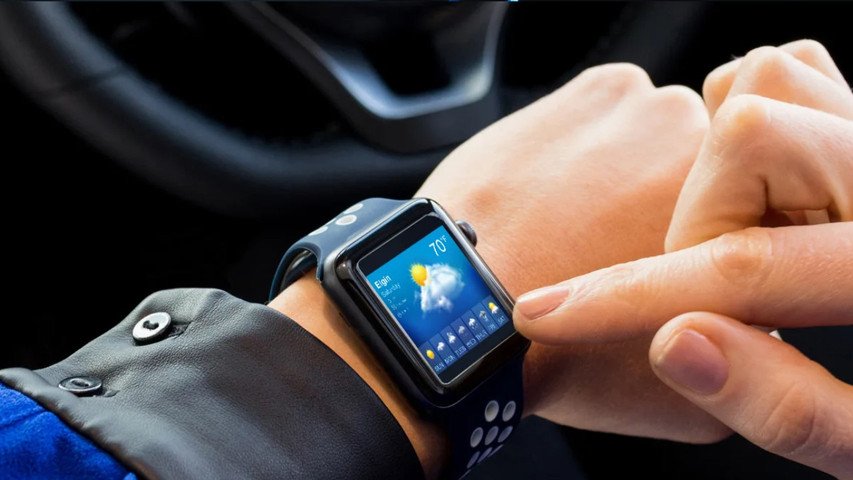
The landscape of emerging wearable technologies is evolving rapidly, transforming how people interact with devices and gather personal data. From smartwatches and fitness trackers to advanced health monitors and smart clothing, these innovations are reshaping daily life, healthcare, and even workplace productivity. As new devices and applications appear, understanding the underlying trends and possibilities becomes increasingly important for consumers, developers, and businesses alike.
This article provides a clear overview of the latest advancements in wearables, highlighting key categories, real-world applications, and the challenges that come with integrating these devices into everyday routines. For those interested in the design side, exploring human centered design for wearables can offer valuable insights into creating user-friendly and effective wearable products.
Key Trends in Modern Wearable Devices
Wearable technology has moved far beyond simple step counters. Today’s devices incorporate advanced sensors, wireless connectivity, and even artificial intelligence to provide a seamless user experience. Some of the most notable trends include:
- Health and Wellness Monitoring: Devices can now track heart rate, sleep patterns, blood oxygen levels, and even detect irregular heart rhythms.
- Smart Clothing: Textiles embedded with sensors can monitor posture, muscle activity, and temperature, opening new possibilities for athletes and patients in rehabilitation.
- Augmented Reality (AR) and Virtual Reality (VR): Smart glasses and headsets are enabling hands-free access to information and immersive experiences for both consumers and professionals.
- Contactless Payments and Security: Many wearables now support NFC technology, allowing users to make secure payments or unlock devices with a tap.
- Personalized Insights: Machine learning algorithms analyze data from wearables to provide tailored recommendations for fitness, health, and productivity.
Categories of Emerging Wearable Technologies
The world of wearables can be grouped into several main categories, each serving unique purposes and user needs. Understanding these categories helps clarify the breadth of innovation in this space.
Smartwatches and Fitness Trackers
These are among the most popular and accessible wearables. Modern smartwatches offer much more than timekeeping—they provide notifications, GPS tracking, voice assistants, and comprehensive health data. Fitness trackers, meanwhile, focus on activity monitoring, helping users stay motivated and informed about their physical health.
Health-Focused Wearables
Beyond basic fitness, specialized devices are designed for medical monitoring. These include ECG monitors, blood glucose sensors, and devices that can alert users or caregivers to potential health issues. Such technology is especially valuable for managing chronic conditions and supporting independent living.
Smart Clothing and E-Textiles
Integrating sensors directly into fabrics, smart clothing can monitor biometrics, track movement, and even adjust temperature. This category is expanding rapidly, with applications in sports, healthcare, and occupational safety.
AR and VR Wearables
Headsets and smart glasses are bringing augmented and virtual reality into everyday life. These devices are used for gaming, training, remote assistance, and even navigation, blending digital content with the physical world.
How Wearable Technology Works
At the core of these devices are sensors that collect data from the user or environment. This data is processed by onboard microcontrollers and often transmitted wirelessly to smartphones or cloud services for further analysis. Connectivity is a crucial aspect, with technologies like Bluetooth, Wi-Fi, and NFC enabling seamless integration with other devices and platforms.
If you’re interested in the technical side, the article on wearable connectivity explained provides a deeper look at the protocols and technologies that make these interactions possible.
Real-World Applications and Benefits
The practical uses of wearable devices are expanding across various sectors:
- Healthcare: Continuous monitoring helps detect health issues early and supports telemedicine initiatives.
- Fitness and Wellness: Personalized coaching and activity tracking encourage healthier lifestyles.
- Workplace Safety: Wearables can detect fatigue, monitor hazardous environments, and improve ergonomics for workers.
- Entertainment and Gaming: AR and VR wearables create immersive experiences and new forms of interactive content.
- Payments and Access: Devices streamline transactions and enhance security for both consumers and businesses.

Challenges and Considerations in Wearable Innovation
Despite their promise, new wearable devices face several hurdles. Privacy and data security are top concerns, as these gadgets collect sensitive personal information. Battery life and device comfort also remain ongoing challenges, especially as features become more advanced.
Developers must also consider interoperability—how well wearables communicate with other devices and platforms. For more on this, see the guide on how wearable apps communicate with smartphones, which explores the technical and user experience aspects of device integration.
Finally, the distinction between firmware and software in wearables can affect update cycles, security, and device capabilities. For a detailed explanation, visit the article on the difference between firmware and software in wearables.
What’s Next for Wearable Technology?
As research and development continue, future wearables are expected to become even more integrated into daily life. Innovations like flexible displays, energy harvesting, and advanced biosensors will likely drive the next wave of products. The focus is shifting toward devices that are less intrusive, more intuitive, and capable of providing actionable insights in real time.
For a deeper dive into the evolution of smart clothing and the integration of computers with everyday items, the article exploring computers in clothing offers a comprehensive look at how wearables are blending technology and fashion.
FAQ: Common Questions About New Wearable Devices
What are the main benefits of using wearable technology?
Wearables offer real-time health monitoring, personalized fitness tracking, convenience in daily tasks, and enhanced connectivity. They can help users stay informed about their well-being, streamline payments, and access information hands-free.
How secure is the data collected by wearables?
Security varies by device and manufacturer. Most reputable brands use encryption and secure data storage, but users should always review privacy policies and take steps to protect their information, such as enabling authentication features and keeping software up to date.
Can wearable devices work without a smartphone?
Some wearables have standalone capabilities, such as built-in GPS or cellular connectivity, but many rely on smartphones for full functionality, including data syncing, notifications, and app integration.
What is the difference between smartwatches and fitness trackers?
Smartwatches typically offer a broader range of features, including app support, notifications, and voice assistants, while fitness trackers focus primarily on health and activity monitoring.
