

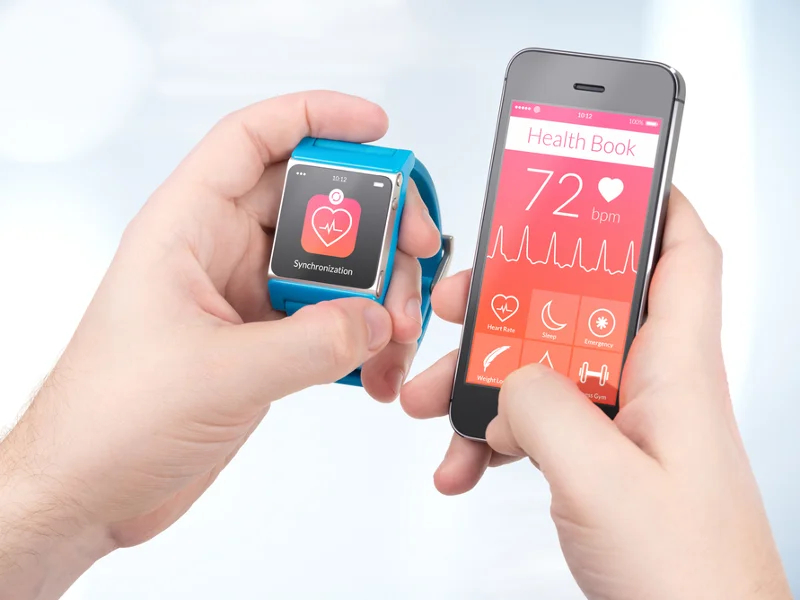
As wearable technology continues to evolve, the importance of human centered design for wearables has become increasingly clear. Devices such as smartwatches, fitness trackers, and health monitors are now part of daily life for millions. However, the success of these products depends not only on their technical capabilities but also on how well they fit into users’ routines, bodies, and expectations. This article explores the principles, processes, and best practices behind designing wearables that truly serve people’s needs.
For those interested in the technical side of wearable software, understanding how wearable apps communicate with smartphones can provide valuable context for the integration of user experience and technology.
What Is Human-Centered Design in Wearable Technology?
At its core, human centered design for wearables is an approach that prioritizes the needs, limitations, and preferences of real people throughout the product development process. Instead of starting with technology and asking users to adapt, this method begins with understanding users’ lives and challenges, then builds solutions that fit naturally into those contexts.
This philosophy is especially important for wearables, which are worn directly on the body and interact with users continuously. Comfort, accessibility, usability, and even aesthetics all play a critical role in whether a device is adopted and used consistently.
Key Principles Guiding User-Focused Wearable Design
Several foundational principles guide the creation of wearables that truly serve users. These include:
- Empathy: Deeply understanding the daily routines, pain points, and motivations of the intended audience.
- Iterative Prototyping: Building and testing multiple versions of a device, gathering feedback at every stage.
- Accessibility: Ensuring devices can be used by people with a wide range of abilities and backgrounds.
- Context Awareness: Designing for the specific environments and situations in which the wearable will be used.
- Seamless Integration: Making sure the device fits naturally into the user’s lifestyle, both physically and digitally.
By following these principles, designers can create wearables that are not only functional but also meaningful and enjoyable to use.
Stages of the Human-Centered Design Process for Wearables
The process of developing a user-first wearable typically unfolds in several stages. Each phase is focused on learning from and about users, then translating those insights into better products.
- Research and Discovery: This stage involves interviews, observations, and surveys to uncover users’ real needs and challenges. Designers may shadow users in their daily environments or analyze how existing devices are used.
- Ideation and Concept Development: Based on research findings, teams brainstorm possible solutions. Sketches, storyboards, and early mockups help visualize new ideas.
- Prototyping: Low-fidelity prototypes (such as paper models or 3D-printed shells) are created to quickly test form factors and interactions. Feedback is gathered and used to refine the concept.
- User Testing: Real users interact with prototypes in realistic scenarios. Their feedback on comfort, usability, and desirability is critical for further iteration.
- Implementation and Refinement: The final product is developed, with ongoing testing to ensure it meets user needs and expectations.
Challenges in Creating Wearables That Put People First
While the benefits of a user-focused approach are clear, there are also unique challenges. Wearables must balance technical requirements (such as battery life and sensor accuracy) with comfort and style. Privacy and data security are also major concerns, especially for health-related devices.
Designers must also consider regulatory requirements. For those working in healthcare or medical technology, understanding medical wearable regulations is essential to ensure compliance and user safety.
Another challenge is designing for diversity. Users come from different backgrounds, have varying physical characteristics, and may use devices in unexpected ways. Inclusive design practices help ensure that products are accessible and useful to as many people as possible.
Best Practices for Human-Centered Wearable Development
To maximize the impact of human centered design for wearables, consider these best practices:
- Engage Users Early and Often: Involve real users from the very beginning and throughout the process. Their feedback is invaluable for identifying issues and opportunities.
- Prioritize Comfort and Usability: Test different materials, shapes, and interfaces to find what works best for the target audience.
- Design for Real-World Contexts: Consider how the device will be worn, charged, and maintained in everyday life.
- Iterate Rapidly: Don’t be afraid to make changes based on user feedback. Quick iterations lead to better products.
- Stay Informed About Technology and Trends: The wearable landscape is evolving rapidly. Keep up with new developments in hardware, software, and user expectations.
Examples of User-Focused Wearable Design in Action
Many of today’s most successful wearables demonstrate the value of a user-first approach. For instance, fitness trackers have evolved to include features like customizable bands, intuitive touchscreens, and adaptive notifications. Smartwatches now offer accessible interfaces and voice controls, making them usable for a wider range of people.
For a deeper look at the technology behind these devices, you can explore the science behind how wearable technology works and how it integrates with daily life.
Additionally, platforms like watchOS explained and Wear OS explained offer insights into the software ecosystems that support user-friendly wearable experiences.
Frequently Asked Questions
Why is a user-centered approach essential for wearable technology?
Wearables are worn directly on the body and interact with users throughout the day. A user-focused approach ensures these devices are comfortable, accessible, and genuinely useful, increasing adoption and long-term satisfaction.
How does human-centered design impact the success of wearable devices?
By prioritizing users’ real needs and feedback, this approach leads to products that are more likely to be embraced and recommended. It also helps prevent costly mistakes and redesigns by catching issues early in development.
What are some common mistakes in designing wearables?
Common pitfalls include neglecting comfort, overlooking accessibility, failing to test with real users, and focusing too much on technology rather than user experience. Avoiding these mistakes is key to creating successful, widely adopted devices.
