

Understanding the standards that govern circuit testing is essential for manufacturers, engineers, and quality assurance professionals in the electronics industry. Adhering to internationally recognized ISO requirements ensures that electronic circuits are reliable, safe, and meet customer expectations. This guide provides a clear overview of the most important ISO standards related to circuit testing, their role in quality assurance, and how organizations can implement these requirements for better product outcomes.
As electronic devices become more complex and their applications more critical, the need for robust testing and compliance grows. By following ISO guidelines, companies can minimize defects, reduce recalls, and build trust with clients. For those interested in a broader perspective on electronics testing, the article on component testing ISO electronics standards offers valuable insights into related standards and specifications.
Why ISO Standards Matter in Circuit Testing
International Organization for Standardization (ISO) standards provide a globally recognized framework for quality, safety, and consistency in manufacturing processes. In the context of circuit testing, these standards help ensure that:
- Testing procedures are repeatable and reliable
- Products meet regulatory and customer requirements
- Defects are detected early, reducing costs and risks
- Documentation and traceability are maintained for audits
For electronics manufacturers, compliance with ISO requirements is often a prerequisite for entering certain markets or working with large clients. It also demonstrates a commitment to continuous improvement and risk management.
Key ISO Standards Relevant to Circuit Testing
Several ISO standards are particularly important for circuit testing and quality assurance. The most widely adopted include:
- ISO 9001: Focuses on quality management systems (QMS). It requires organizations to establish processes for monitoring, measuring, and improving product quality, including circuit testing procedures.
- ISO 17025: Applies to testing and calibration laboratories. It ensures that labs performing circuit tests are technically competent and produce valid results.
- ISO 13485: Specific to medical device manufacturing, this standard includes requirements for testing electronic circuits used in medical equipment.
For a deeper dive into how these standards are applied to electronics, see the overview of ISO 9001 and ISO 13485 certifications in electronics manufacturing.
Circuit Testing ISO Requirements Explained: Core Elements
When discussing ISO requirements for circuit testing, several core elements are emphasized across the major standards:
- Documented Procedures: All testing methods, equipment calibration, and acceptance criteria must be clearly documented. This ensures consistency and allows for effective training and audits.
- Traceability: Every test result should be traceable to the specific product, batch, and operator. This is crucial for root cause analysis if issues arise.
- Calibration and Maintenance: Test equipment must be regularly calibrated and maintained according to documented schedules. Uncalibrated equipment can lead to inaccurate results and non-compliance.
- Competence of Personnel: Staff involved in testing must be trained and qualified. ISO standards often require records of training and ongoing competency assessments.
- Continuous Improvement: Organizations are expected to monitor test outcomes, analyze trends, and implement corrective actions to improve quality over time.
Types of Circuit Testing and Their ISO Implications
There are several methods used to test electronic circuits, each with its own set of ISO-related requirements:
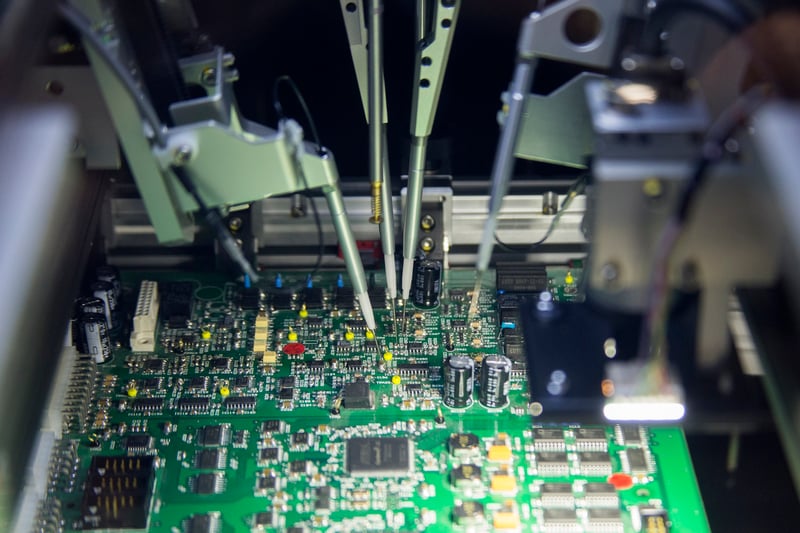
- In-Circuit Testing (ICT): Checks for shorts, opens, resistance, capacitance, and other basic parameters. ISO standards require that ICT procedures be validated and results documented.
- Functional Testing: Simulates the circuit’s operation in its intended environment. ISO guidelines emphasize the need for test environment control and repeatability.
- Flying Probe Testing: Used for prototypes and low-volume production, this method requires careful documentation of probe paths and test points to meet ISO traceability requirements.
- Environmental and Stress Testing: Exposes circuits to temperature, humidity, vibration, and other stresses. ISO standards such as those discussed in stress screening electronics ISO standards provide detailed guidance on these procedures.
Implementing ISO-Compliant Circuit Testing in Your Organization
Adopting ISO-compliant testing processes involves several practical steps:
- Gap Analysis: Review current testing procedures against relevant ISO standards to identify areas for improvement.
- Process Documentation: Develop or update standard operating procedures (SOPs) for all circuit testing activities.
- Training: Ensure all personnel involved in testing are trained on ISO requirements and internal procedures.
- Equipment Management: Implement a system for regular calibration, maintenance, and verification of test equipment.
- Data Management: Use digital tools to record, store, and analyze test data for traceability and continuous improvement.
- Internal Audits: Schedule periodic audits to verify compliance and identify opportunities for process optimization.
Organizations that consistently apply these steps not only achieve compliance but also benefit from fewer defects, improved customer satisfaction, and a stronger reputation in the marketplace.
Benefits of Meeting Circuit Testing ISO Requirements
Complying with ISO standards in circuit testing delivers tangible advantages:
- Reduced Risk: Early detection of faults minimizes the risk of product failures in the field.
- Market Access: Many clients and regulatory bodies require ISO certification as a condition for doing business.
- Operational Efficiency: Standardized processes lead to fewer errors and more predictable outcomes.
- Customer Confidence: Demonstrating compliance reassures customers about product quality and reliability.
- Continuous Improvement: The ISO framework encourages ongoing analysis and enhancement of testing processes.
For more on how ISO testing supports product robustness, the product robustness testing ISO guide explores best practices for reliable electronics.
Common Challenges and Solutions in ISO-Based Circuit Testing
While the benefits are clear, implementing ISO-compliant testing can present challenges:
- Resource Constraints: Smaller organizations may struggle with the cost and complexity of documentation and audits. Leveraging digital tools and focusing on critical processes can help.
- Keeping Up with Standards: ISO standards are periodically updated. Assigning responsibility for monitoring changes ensures continued compliance.
- Training Gaps: Regular training and competency assessments are essential to maintain high standards and avoid human error.
- Data Management: Implementing robust data collection and analysis systems supports traceability and improvement efforts.
Addressing these challenges proactively leads to smoother audits, better product outcomes, and a more resilient quality management system.
FAQ: Circuit Testing and ISO Standards
What are the most important ISO standards for circuit testing?
The most relevant standards include ISO 9001 for quality management, ISO 17025 for testing laboratories, and ISO 13485 for medical electronics. Each standard addresses different aspects of testing, documentation, and quality assurance.
How often should test equipment be calibrated under ISO requirements?
ISO standards require that all test equipment be calibrated at intervals defined by the manufacturer or based on usage. Regular calibration ensures accuracy and compliance, with records maintained for audit purposes.
What documentation is required for ISO-compliant circuit testing?
Organizations must maintain documented procedures for all testing activities, calibration records, training logs, and traceable test results. This documentation supports audits and continuous improvement efforts.
How does ISO compliance impact product reliability?
Adhering to ISO standards improves product reliability by ensuring consistent testing, early detection of defects, and systematic process improvement. This reduces the likelihood of failures and enhances customer satisfaction.
Conclusion
Meeting ISO requirements for circuit testing is a cornerstone of quality assurance in the electronics industry. By understanding and implementing these standards, organizations can deliver safer, more reliable products, reduce operational risks, and maintain a competitive edge. For further reading on performance validation and reliability, explore resources such as electronics performance validation ISO testing and reliability verification electronics ISO methods.
