


Ensuring the reliability and durability of electronic products is a top priority for manufacturers and end-users alike. As technology advances and devices become more complex, the risk of latent defects or early-life failures increases. Stress screening electronics ISO standards play a critical role in minimizing these risks by providing structured guidelines for testing, screening, and validating electronic assemblies and components before they reach the market.
These internationally recognized standards help organizations implement robust quality assurance processes, reduce warranty claims, and build trust with customers. By subjecting products to controlled environmental and operational stresses, manufacturers can identify weaknesses, eliminate defective units, and ensure consistent performance throughout the product’s lifecycle. For those seeking a deeper dive into the technical processes and compliance requirements, our electronics performance validation ISO testing resource offers valuable insights.
Understanding Stress Screening in Electronics
Stress screening, often referred to as Environmental Stress Screening (ESS) or Highly Accelerated Stress Screening (HASS), is a process where electronic products are exposed to various environmental and operational stresses. The goal is to precipitate latent defects that might otherwise cause failures in the field. These procedures are essential for industries where reliability is non-negotiable, such as aerospace, automotive, medical devices, and telecommunications.
The process typically involves subjecting products to temperature cycling, vibration, humidity, and electrical loading. By simulating harsh conditions, manufacturers can detect and remove units that would fail prematurely, ensuring only robust products reach the customer.
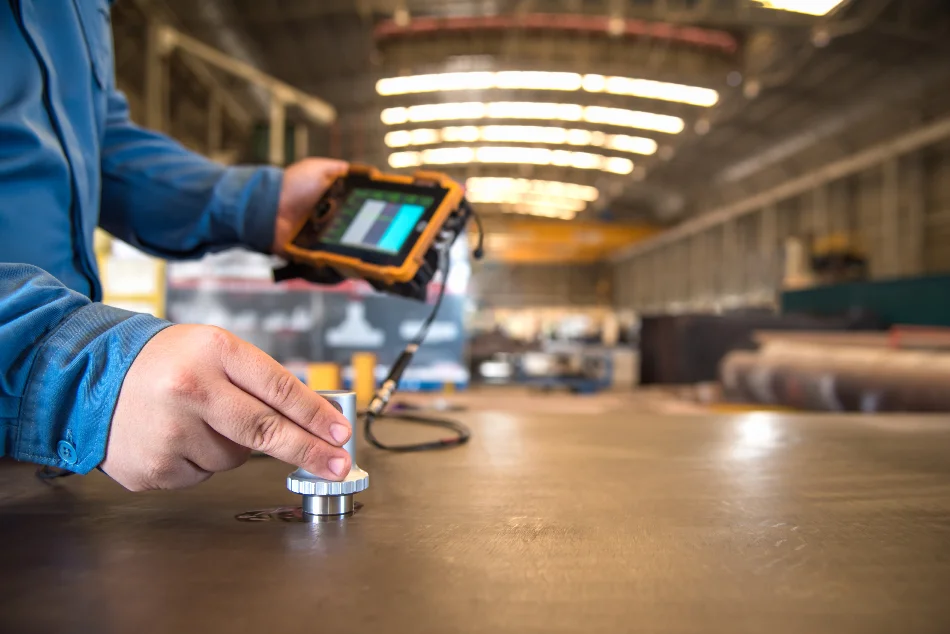
Key ISO Standards for Electronic Stress Screening
Several ISO standards provide frameworks for stress screening and reliability testing in electronics manufacturing. These standards ensure that testing is consistent, repeatable, and aligned with global best practices. Some of the most relevant guidelines include:
- ISO 9001: Focuses on quality management systems and continuous improvement, forming the foundation for process control in electronics manufacturing.
- ISO 16750: Addresses environmental conditions and testing for electrical and electronic equipment in road vehicles, including vibration, temperature, and humidity tests.
- ISO 26262: Pertains to functional safety in automotive electronics, emphasizing reliability and risk mitigation through rigorous testing.
- IEC 60068 (often referenced alongside ISO standards): Specifies methods for environmental testing, such as temperature cycling, vibration, and shock.
Adhering to these standards not only helps manufacturers meet regulatory requirements but also enhances product quality and customer satisfaction.
Benefits of Adopting Stress Screening Standards
Implementing stress screening electronics ISO standards offers a range of advantages for manufacturers and end-users:
- Early Detection of Defects: Screening processes identify weak or faulty components before products are shipped, reducing the risk of field failures.
- Improved Product Reliability: Consistent application of stress tests ensures that only robust units reach customers, enhancing brand reputation.
- Cost Savings: By catching defects early, companies can avoid costly recalls, warranty claims, and loss of customer trust.
- Regulatory Compliance: Meeting ISO and related standards is often a prerequisite for entering certain markets or industries.
- Continuous Improvement: Data collected during screening helps refine manufacturing processes and drive ongoing quality enhancements.
Common Stress Screening Methods in Electronics
There are several widely used techniques for stress testing electronic assemblies and components. The choice of method depends on the product’s intended application, complexity, and reliability requirements.
- Temperature Cycling: Products are exposed to repeated cycles of high and low temperatures to simulate thermal stresses encountered during operation and transport.
- Vibration Testing: Simulates the mechanical stresses experienced during shipping, installation, or use in harsh environments.
- Humidity Exposure: Assesses the product’s resistance to moisture, which can cause corrosion or electrical failures.
- Electrical Stress: Involves applying voltage and current beyond normal operating levels to reveal weaknesses in circuit design or assembly.
These methods are often combined to create a comprehensive screening program tailored to the product’s risk profile and customer expectations.
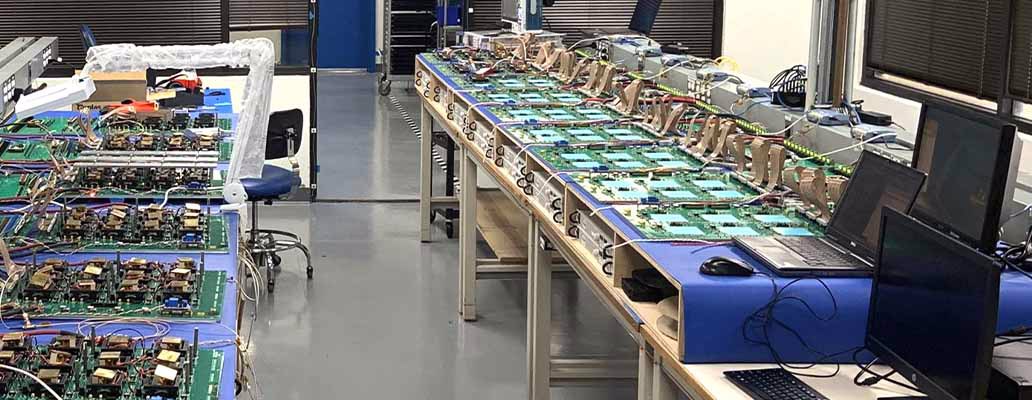
Integrating ISO-Based Stress Screening into Manufacturing
To maximize the benefits of stress screening, manufacturers should integrate ISO-based processes into their overall quality management systems. This involves:
- Developing clear procedures for selecting, conducting, and documenting stress tests.
- Training personnel on the importance and execution of screening protocols.
- Regularly reviewing and updating screening criteria based on field data and evolving standards.
- Leveraging automated test equipment to ensure repeatability and accuracy.
For organizations looking to enhance their approach, exploring reliability verification electronics ISO methods can provide additional guidance on implementing robust quality controls.
Challenges and Best Practices
While the adoption of stress screening electronics ISO standards brings significant benefits, there are challenges to consider:
- Cost and Time: Implementing comprehensive screening can increase production costs and lead times, especially for complex assemblies.
- Over-Testing: Excessive stress can damage otherwise good products, so it’s crucial to calibrate tests appropriately.
- Keeping Up with Standards: ISO guidelines are periodically updated, requiring ongoing attention to compliance and process adaptation.
Best practices include:
- Balancing the rigor of tests with production efficiency.
- Using statistical analysis to optimize screening thresholds.
- Maintaining thorough documentation for traceability and audits.
For a comprehensive overview of how these practices fit into the broader context of electronics reliability, see our article on electronics reliability testing ISO explained.
Industry Applications and Compliance
Stress screening and ISO compliance are especially critical in sectors where failure can have severe consequences. Examples include:
- Aerospace and Defense: Ensuring mission-critical systems function reliably under extreme conditions.
- Automotive: Meeting stringent safety and reliability requirements for electronic control units and sensors.
- Medical Devices: Guaranteeing patient safety and regulatory approval through rigorous screening.
- Telecommunications: Maintaining uptime and performance in network infrastructure equipment.
For businesses seeking certification or more information on industry-specific requirements, resources like ISO certification for the electronics industry provide practical guidance on achieving and maintaining compliance.
Continuous Improvement and Lifecycle Considerations
Stress screening is not a one-time activity but an ongoing process that evolves with technology and market demands. Manufacturers should regularly review screening results, field failure data, and customer feedback to refine their processes. Lifecycle testing, as discussed in our lifecycle testing electronics ISO standards article, complements stress screening by evaluating long-term reliability under simulated real-world conditions.
By embracing a culture of continuous improvement and leveraging the latest ISO guidelines, organizations can stay ahead of quality challenges and deliver products that meet or exceed customer expectations.
Frequently Asked Questions
What is the main purpose of stress screening in electronics manufacturing?
The primary goal is to identify and eliminate latent defects in electronic assemblies before products reach customers. By applying environmental and operational stresses, manufacturers can ensure only reliable units are shipped, reducing the risk of early-life failures and warranty claims.
Which ISO standards are most relevant for stress screening in electronics?
Key standards include ISO 9001 for quality management, ISO 16750 for environmental testing in automotive electronics, ISO 26262 for functional safety, and IEC 60068 for various environmental test methods. These guidelines help structure and validate screening processes across industries.
How does stress screening impact product quality and customer satisfaction?
By catching defects early in the production process, stress screening significantly improves product reliability and reduces field failures. This leads to fewer returns, lower warranty costs, and increased customer trust in the brand.
Is stress screening required for all electronic products?
While not mandatory for every product, stress screening is highly recommended for applications where reliability is critical, such as automotive, aerospace, and medical devices. Many industries require compliance with specific ISO standards as part of their regulatory framework.
