


Ensuring the dependability of electronic products is essential for manufacturers, suppliers, and end-users. Reliability verification electronics ISO methods provide a structured approach to evaluating and improving the long-term performance of electronic components and systems. These internationally recognized procedures help organizations meet quality standards, minimize failures, and build trust in their products.
Understanding the principles and best practices behind these verification processes is crucial for anyone involved in electronics design, manufacturing, or quality assurance. This article explores the key ISO standards, common testing methods, and practical steps for implementing robust reliability assessment in electronics.
For a deeper dive into related testing practices, see mean time between failure testing explained, which covers another critical aspect of electronics reliability.
Understanding ISO Standards for Electronics Reliability
International Organization for Standardization (ISO) standards are globally recognized frameworks that guide the development, testing, and validation of electronic products. In the context of reliability verification electronics ISO methods, several key standards are commonly referenced:
- ISO 9001: Focuses on quality management systems, ensuring consistent processes and continual improvement.
- ISO 26262: Addresses functional safety for automotive electronics, emphasizing risk assessment and mitigation.
- ISO 16750: Specifies environmental conditions and testing for electrical and electronic equipment in road vehicles.
- ISO/IEC 17025: Sets requirements for the competence of testing and calibration laboratories.
Adhering to these standards helps organizations establish a systematic approach to reliability, from design through production and post-market surveillance. For manufacturers, compliance is often a prerequisite for entering regulated markets or working with major OEMs.
To learn more about the significance of certification, visit the importance of ISO certification for electronics and other industries.
Core Procedures in Reliability Verification
Reliability verification involves a combination of analytical techniques and physical testing. The goal is to identify potential failure modes, estimate product lifespan, and validate that components can withstand real-world conditions. Common procedures include:
- Environmental Stress Testing: Exposing electronics to temperature, humidity, vibration, and other environmental factors to assess durability.
- Accelerated Life Testing: Using intensified stress conditions to simulate years of operation in a shorter timeframe. For a comprehensive overview, see the accelerated life testing electronics ISO guide.
- Failure Analysis: Investigating failed units to determine root causes and prevent recurrence. More details are available in the failure analysis electronics ISO process article.
- Statistical Analysis: Applying statistical models to predict failure rates, mean time between failures (MTBF), and reliability growth.

These procedures are often tailored to the product’s intended application, expected operating environment, and customer requirements. By integrating a range of verification methods, organizations can build a comprehensive reliability profile for their electronics.
Key Steps in Implementing ISO-Based Reliability Verification
Establishing a successful reliability program based on ISO guidance involves several critical steps:
- Define Reliability Objectives: Set clear targets for product lifespan, failure rates, and performance under specific conditions.
- Develop a Test Plan: Select appropriate test methods, sample sizes, and acceptance criteria based on ISO standards and industry best practices.
- Conduct Testing: Perform environmental, mechanical, and electrical tests using calibrated equipment and controlled conditions.
- Analyze Results: Use statistical tools to interpret test data, identify trends, and estimate reliability metrics.
- Document and Report: Maintain thorough records of procedures, results, and corrective actions to support traceability and compliance.
- Continuous Improvement: Use findings to refine design, manufacturing, and testing processes, driving ongoing reliability enhancement.
Following these steps ensures that reliability verification is systematic, repeatable, and aligned with international expectations. It also supports risk management and helps reduce costly recalls or warranty claims.
Common Testing Methods for Electronics Reliability
Various testing techniques are used to assess the robustness of electronic products. Some of the most widely adopted methods include:
- Thermal Cycling: Repeatedly exposing components to extreme temperature changes to reveal weaknesses in solder joints and materials.
- Vibration and Shock Testing: Simulating transportation and operational stresses to verify mechanical integrity.
- Humidity and Corrosion Testing: Evaluating resistance to moisture and corrosive environments, especially for outdoor or automotive electronics.
- Electrical Overstress Testing: Applying voltage or current beyond normal operating limits to identify failure thresholds.
- Non-Destructive Testing (NDT): Using X-ray, ultrasound, or other techniques to inspect internal structures without damaging the product.
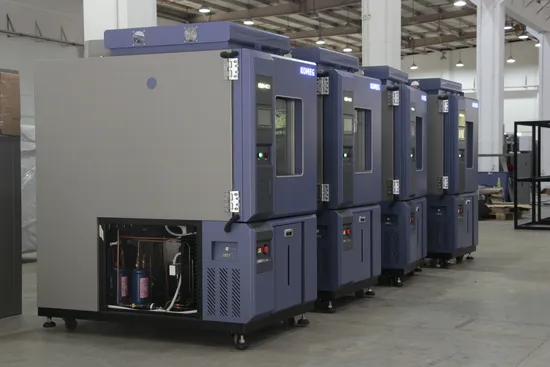
Each method targets specific failure mechanisms, helping engineers understand how products will behave over time. The selection of tests depends on the product’s application, expected stressors, and customer expectations.
Integrating Reliability Verification into Product Lifecycle
Effective reliability assessment is not a one-time event but a continuous process integrated throughout the product lifecycle. From initial design reviews to final production testing, ISO-based methods support:
- Design Validation: Identifying potential weaknesses early, reducing costly redesigns.
- Process Control: Monitoring manufacturing consistency to prevent defects.
- Field Performance Monitoring: Collecting real-world data to validate test results and drive improvements.
- Lifecycle Testing: For more on this topic, see lifecycle testing electronics ISO standards, which details long-term quality assurance strategies.
By embedding reliability verification into every stage, companies can deliver products that meet both regulatory requirements and customer expectations for durability and performance.
Benefits of Adopting ISO Reliability Verification Methods
Implementing structured reliability assessment based on ISO guidance offers several advantages:
- Reduced Failure Rates: Early detection of design or process issues prevents widespread field failures.
- Enhanced Market Access: Compliance with international standards is often required by major customers and regulatory bodies.
- Improved Customer Satisfaction: Reliable products build trust and reduce warranty costs.
- Competitive Advantage: Demonstrating robust reliability practices differentiates brands in crowded markets.
- Regulatory Compliance: Meeting ISO requirements supports legal and contractual obligations.
For manufacturers, these benefits translate into stronger brand reputation, lower costs, and increased opportunities for growth.
Challenges and Best Practices in Reliability Verification
While the advantages are clear, implementing reliability verification electronics ISO methods can present challenges. Common obstacles include:
- Resource Constraints: Comprehensive testing requires investment in equipment, skilled personnel, and time.
- Complexity of Modern Electronics: Miniaturization and integration increase the difficulty of identifying and testing all potential failure modes.
- Data Management: Collecting, analyzing, and storing large volumes of test data demands robust systems.
- Keeping Up with Evolving Standards: ISO guidelines are periodically updated, requiring ongoing training and process adjustments.
To overcome these challenges, organizations should:
- Invest in staff training and up-to-date testing equipment.
- Collaborate with accredited laboratories for specialized tests.
- Automate data collection and analysis where possible.
- Regularly review and update procedures to align with the latest standards.
Adopting a proactive, continuous improvement mindset ensures that reliability verification remains effective and relevant.
FAQ: Electronics Reliability Verification and ISO Methods
What are the most important ISO standards for electronics reliability?
The most commonly referenced standards include ISO 9001 for quality management, ISO 26262 for functional safety in automotive electronics, ISO 16750 for environmental testing, and ISO/IEC 17025 for laboratory competence. Each addresses different aspects of reliability and quality assurance.
How do ISO-based reliability methods benefit manufacturers?
They help reduce product failures, improve customer satisfaction, support compliance with regulations, and open doors to new markets. Structured verification also lowers warranty costs and strengthens brand reputation.
What is the difference between accelerated life testing and environmental stress testing?
Accelerated life testing uses intensified conditions to simulate long-term use in a short period, while environmental stress testing exposes products to real-world environmental factors like temperature and humidity to assess durability under typical operating conditions.
