

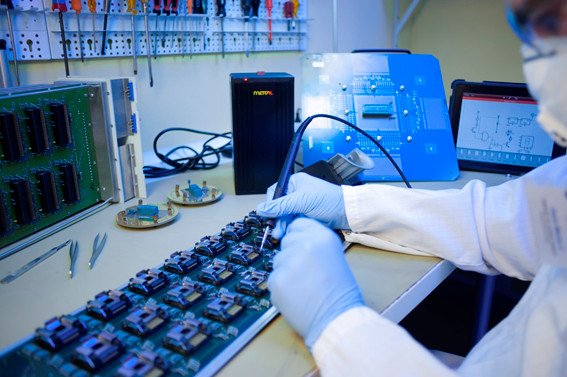
Ensuring the reliability and safety of electronic components is a critical aspect of modern manufacturing. As electronic devices become more integrated into daily life and industry, the need for rigorous testing and adherence to international benchmarks has never been greater. Component testing ISO electronics standards provide a globally recognized framework for evaluating the performance, durability, and safety of electronic parts, helping manufacturers deliver products that meet both regulatory and customer expectations.
This guide explores the essentials of ISO-based testing for electronic components, the most relevant standards, and how these processes contribute to product quality and compliance. Whether you are a manufacturer, engineer, or quality assurance professional, understanding these specifications is key to maintaining competitiveness and credibility in the electronics sector.
For those interested in a deeper dive into quality frameworks, the article on quality assurance reliability electronics ISO offers further insights into maintaining high standards throughout the electronics production process.
Understanding ISO Standards in Electronics Component Testing
International Organization for Standardization (ISO) standards serve as the backbone for quality and safety in the electronics industry. These guidelines are designed to harmonize testing procedures, terminology, and acceptance criteria across global markets. By following component testing ISO electronics standards, manufacturers can ensure their products are consistently evaluated, regardless of where they are produced or sold.
Some of the most widely adopted ISO standards for electronic component testing include:
- ISO 9001: Focuses on quality management systems, ensuring processes are well-documented and controlled.
- ISO/IEC 17025: Specifies requirements for the competence of testing and calibration laboratories.
- ISO 26262: Addresses functional safety for automotive electronics.
- ISO 16750: Covers environmental conditions and testing for electrical and electronic equipment in road vehicles.
Adhering to these standards not only streamlines compliance but also builds trust with customers and regulatory bodies.
Key Elements of ISO-Based Component Testing
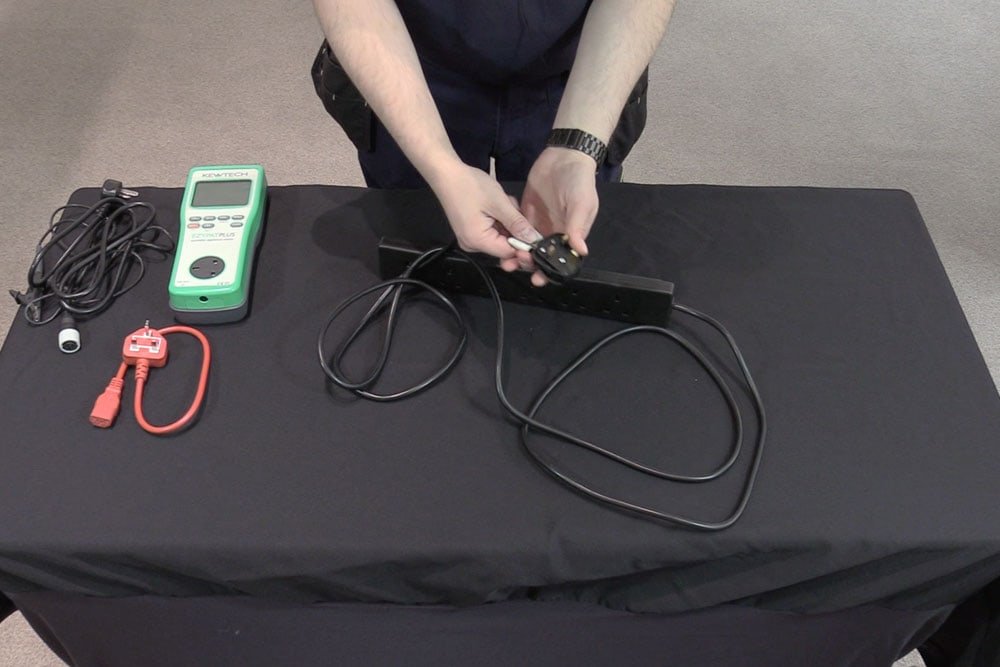
When it comes to evaluating electronic parts, component testing ISO electronics standards define a structured approach that covers a range of critical factors. These include:
- Performance Testing: Verifying that components function as intended under normal and extreme conditions.
- Reliability Assessment: Determining how long a component will perform before failure, often through accelerated life testing.
- Environmental Stress Screening: Exposing parts to temperature, humidity, vibration, and other environmental factors to simulate real-world use.
- Electrical Safety Checks: Ensuring that components meet insulation, leakage, and other safety criteria.
- Traceability and Documentation: Maintaining detailed records of test procedures, results, and corrective actions for audit and compliance purposes.
These elements are vital for meeting both regulatory requirements and customer expectations for product reliability.
Benefits of Adhering to ISO Specifications in Electronics Testing
Following recognized standards offers several advantages for electronics manufacturers and their clients:
- Global Market Access: Products tested to ISO benchmarks are more readily accepted in international markets.
- Reduced Product Failures: Rigorous testing minimizes the risk of defects and recalls.
- Enhanced Reputation: ISO certification signals a commitment to quality and safety.
- Regulatory Compliance: Many regions require adherence to specific ISO standards for electronic products.
- Operational Efficiency: Standardized processes reduce variability and improve manufacturing consistency.
For more information on how these practices contribute to robust product development, see the comprehensive overview on product robustness testing ISO guide.

Common Testing Procedures and Methods
The actual methods used in component evaluation are dictated by the type of component and its intended application. Some of the most common procedures include:
- Burn-In Testing: Components are operated at elevated temperatures and voltages to identify early failures.
- Thermal Cycling: Parts are subjected to repeated temperature changes to test durability.
- Vibration and Shock Testing: Simulates the mechanical stresses encountered during transport and use.
- Electrical Parameter Measurement: Checks for compliance with voltage, current, resistance, and capacitance specifications.
- Failure Analysis: Investigates the root causes of defects to inform process improvements.
These techniques are often combined with advanced data analysis to ensure comprehensive assessment and traceability.
Integrating ISO Standards into the Manufacturing Workflow
Implementing component testing ISO electronics standards requires more than just periodic checks. It involves embedding quality assurance into every stage of the product lifecycle, from design and sourcing to production and post-market surveillance.
Key steps for successful integration include:
- Design for Testability: Ensure that components and assemblies are designed to facilitate efficient and accurate testing.
- Supplier Qualification: Work only with vendors who adhere to recognized standards and can provide necessary documentation.
- Process Control: Use statistical methods and regular audits to monitor and improve manufacturing processes.
- Continuous Training: Keep staff updated on the latest standards, testing technologies, and best practices.
- Documentation and Review: Maintain thorough records and conduct regular reviews to identify areas for improvement.
For a closer look at how these steps contribute to long-term reliability, the article on reliability verification electronics ISO methods provides practical examples and methodologies.
Why ISO Certification Matters for Electronics Manufacturers
Achieving ISO certification is more than a formality—it is a strategic asset. Certification demonstrates that a company’s testing and quality management systems meet internationally recognized benchmarks. This not only reassures customers but also opens doors to new markets and business opportunities.
For a detailed discussion on the importance of certification, see why ISO certified electronics manufacturers matter, which outlines the business and technical advantages of compliance.
Additionally, regular audits and recertification ensure that organizations remain up-to-date with evolving standards and best practices.
Challenges and Best Practices in ISO Electronics Testing
While the benefits are clear, implementing and maintaining compliance with component testing ISO electronics standards can present challenges. Common obstacles include keeping pace with changing standards, managing documentation, and ensuring consistency across global operations.
Best practices to address these challenges include:
- Automated Testing Systems: Reduce human error and increase throughput.
- Centralized Data Management: Streamlines record-keeping and facilitates audits.
- Cross-Functional Teams: Encourage collaboration between engineering, quality, and production departments.
- Regular Training and Updates: Keep staff informed about new requirements and technologies.
For further reading on screening and validation, explore the resources on stress screening electronics ISO standards and electronics performance validation ISO testing.
FAQ
What are the most important ISO standards for electronic component testing?
Some of the most critical standards include ISO 9001 for quality management, ISO/IEC 17025 for laboratory competence, and ISO 26262 for automotive electronics safety. The specific standards required may vary depending on the industry and application.
How does ISO-based testing improve product reliability?
By following standardized procedures for performance, environmental, and safety testing, manufacturers can identify potential failures early, reduce defects, and ensure consistent quality across production batches.
Is ISO certification mandatory for electronics manufacturers?
While not always legally required, ISO certification is often necessary to access certain markets, meet customer requirements, and demonstrate a commitment to quality and safety.
How often should electronic components be tested according to ISO standards?
Testing frequency depends on the component type, application, and regulatory requirements. However, regular testing at key stages—such as design validation, production, and post-market surveillance—is recommended for ongoing compliance.
In summary, aligning with component testing ISO electronics standards is essential for ensuring product quality, safety, and global competitiveness. By understanding and implementing these guidelines, manufacturers can build trust, reduce risk, and achieve long-term success in the electronics industry.
