

Bringing a new electronic device from concept to market is a complex process that demands careful coordination, technical expertise, and robust planning. Electronic product design project management is the discipline that ensures every stage—from ideation and prototyping to testing and manufacturing—runs smoothly and efficiently. For businesses and engineers alike, mastering this process is essential for delivering reliable, innovative products on time and within budget.
This article explores the essential phases, best practices, and challenges of managing electronic design projects. Whether you’re leading a development team or collaborating with external partners, understanding the nuances of project management in this field can make the difference between a successful launch and costly setbacks.
For those interested in how system integration fits within the broader development workflow, the electronic product design system integration guide offers a detailed look at connecting hardware and software components seamlessly.
Key Phases in Managing Electronic Design Projects
Effective electronic product design project management requires a structured approach that breaks down the journey into manageable phases. Each phase has its own objectives, deliverables, and risks. Here’s an overview of the typical lifecycle:
- Requirements Gathering: Define the product’s purpose, target market, technical specifications, and regulatory needs. Early clarity here prevents costly changes later.
- Concept Development: Generate ideas, evaluate feasibility, and create initial sketches or block diagrams. This phase often includes basic simulations and proof-of-concept prototypes.
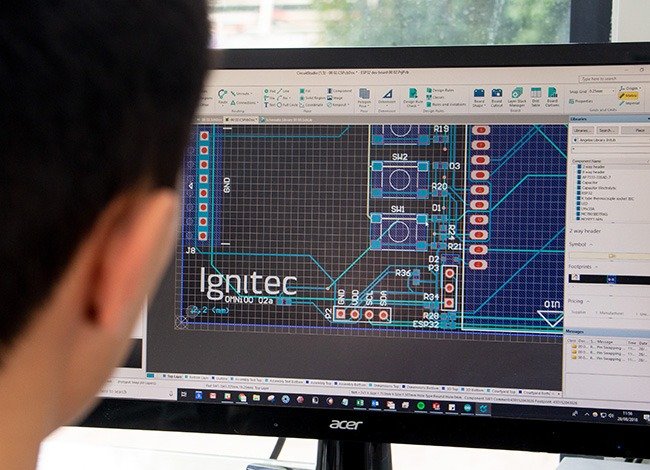
- Detailed Design: Develop schematics, PCB layouts, firmware, and mechanical enclosures. Collaboration between electrical, software, and mechanical teams is crucial.
- Prototyping: Build and test physical prototypes to validate the design. Iterative testing helps identify issues with performance, safety, and manufacturability.
- Testing and Validation: Conduct thorough testing for functionality, compliance, and reliability. This may include environmental, EMC, and safety assessments.
- Production Preparation: Finalize documentation, source components, and set up manufacturing processes. Design for manufacturability (DFM) and testability (DFT) are key considerations.
- Launch and Support: Oversee initial production runs, address field issues, and manage product updates or recalls if necessary.
Project Planning and Scheduling for Electronics Development
Planning is the foundation of any successful project. In the context of electronic product design project management, this involves creating a realistic timeline, allocating resources, and identifying dependencies between tasks. Gantt charts, Kanban boards, and agile methodologies are commonly used tools.
Key planning considerations include:
- Milestone Definition: Set clear checkpoints for design reviews, prototype builds, and testing cycles.
- Risk Assessment: Identify potential bottlenecks, such as component shortages or regulatory hurdles, and develop contingency plans.
- Resource Allocation: Assign responsibilities based on team expertise and availability. Consider outsourcing specialized tasks if needed.
- Budget Management: Track costs for materials, labor, and external services. Build in buffers for unexpected expenses.
Collaboration and Communication in Technical Teams
Successful projects depend on clear communication between engineers, designers, suppliers, and stakeholders. Regular meetings, transparent documentation, and version control systems help keep everyone aligned. Many teams use platforms like Jira, Trello, or Asana to track progress and manage tasks.
Documentation is especially critical in electronics development. Maintaining accurate records of design changes, test results, and compliance certifications ensures traceability and simplifies troubleshooting. For a deeper dive into best practices, the electronic product design documentation workflow article provides valuable insights.
Risk Management and Quality Assurance
Every electronics project faces uncertainties, from technical challenges to supply chain disruptions. Proactive risk management is a core part of electronic product design project management. This involves:
- Identifying Risks Early: Use design reviews and FMEA (Failure Mode and Effects Analysis) to spot potential issues before they escalate.
- Implementing Quality Controls: Establish testing protocols at every stage, from prototype to final product. Automated test equipment can improve consistency and speed.
- Ensuring Regulatory Compliance: Stay up to date with relevant safety, EMC, and environmental standards. The electronic product design safety standards comparison guide is a helpful resource for understanding global requirements.
- Continuous Improvement: Gather feedback from testing, production, and customers to refine processes and prevent recurring issues.

Performance, Reliability, and Testing Strategies
Testing is not just a final step—it’s integrated throughout the product development lifecycle. Performance and reliability are critical for electronics, especially in safety-critical or high-volume applications. Typical strategies include:
- Functional Testing: Verifies that the device operates according to specifications.
- Environmental Testing: Assesses performance under temperature, humidity, vibration, and other real-world conditions.
- Reliability Engineering: Predicts and improves product lifespan. For more on this, see the electronic product design reliability engineering basics article.
- Compliance Testing: Ensures the product meets regulatory and safety standards before market release.
Iterative testing and validation help catch issues early, reducing the risk of expensive recalls or customer dissatisfaction after launch.
Best Practices for Managing Electronic Product Development
To maximize efficiency and product quality, consider these proven strategies:
- Adopt Agile Principles: Break projects into sprints or phases, allowing for regular feedback and adaptation.
- Prioritize Documentation: Keep all design files, test reports, and change logs organized and accessible.
- Engage Stakeholders Early: Involve customers, suppliers, and regulatory experts from the outset to align expectations and avoid surprises.
- Leverage External Expertise: When needed, partner with specialized firms for tasks like PCB layout, firmware development, or compliance testing. For a comprehensive overview of the design process, this comprehensive guide to electronics design services and the design process is highly recommended.
- Plan for Scalability: Design with future updates and production scaling in mind to extend product life and reduce redesign costs.
Common Challenges and How to Overcome Them
Even with careful planning, electronic development projects can encounter obstacles. Some frequent challenges include:
- Component Shortages: Global supply chain issues can delay production. Mitigate by qualifying multiple suppliers and monitoring inventory closely.
- Scope Creep: Uncontrolled changes to project requirements can derail timelines. Use change management processes to evaluate and approve modifications.
- Regulatory Delays: Failing to meet compliance standards can halt product launches. Engage with certification bodies early and build in time for testing and approvals.
- Communication Gaps: Misunderstandings between teams or stakeholders can cause errors. Foster a culture of transparency and regular updates.
FAQ
What are the most important skills for managing electronic design projects?
Key skills include technical knowledge of electronics, strong organizational abilities, effective communication, risk assessment, and familiarity with project management tools. Experience with regulatory compliance and quality assurance is also highly valuable.
How can teams ensure product reliability during development?
Reliability is achieved through rigorous testing, careful component selection, and robust design practices. It’s important to conduct stress tests, environmental assessments, and failure analysis throughout the development cycle. Referencing resources like the electronic product design performance testing guide can provide additional strategies.
Why is documentation so critical in electronics projects?
Documentation ensures traceability, supports troubleshooting, and is often required for regulatory compliance. Well-maintained records help teams manage design changes, communicate effectively, and streamline future updates or audits.
