

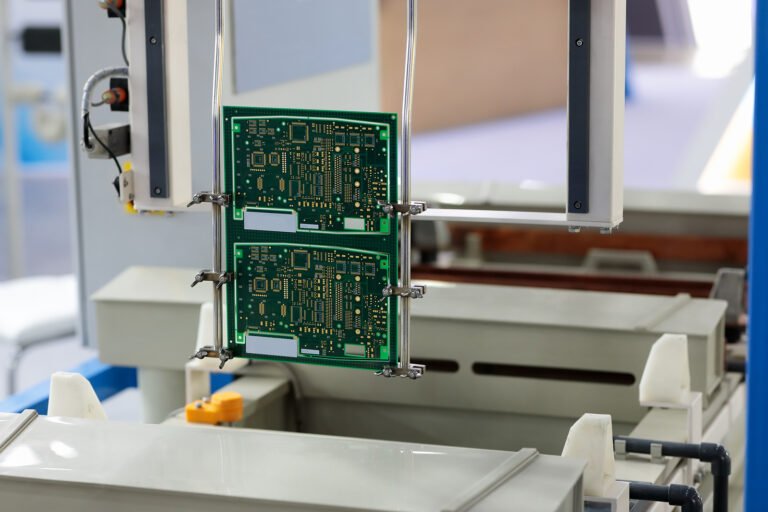
Designing successful battery-operated electronics requires a careful balance of performance, efficiency, and reliability. Whether you are developing portable consumer devices, IoT sensors, or industrial gadgets, understanding the key considerations in power management, component selection, and system integration is essential. This battery powered electronic product design guide provides a practical overview of the main steps, challenges, and best practices for engineers and product developers.
For a deeper dive into integrating complex systems, you may also find the electronic product design system integration guide helpful as a companion resource.
Understanding Battery Selection and Power Requirements
The foundation of any portable electronic device is its power source. Choosing the right battery chemistry and capacity is critical for meeting your product’s performance goals and user expectations. Key factors to consider include:
- Energy density: Determines how long your device can operate between charges or battery replacements.
- Voltage and current requirements: Must align with your system’s electronics for stable operation.
- Size and weight: Especially important for handheld or wearable products.
- Rechargeability: Decide between primary (single-use) and secondary (rechargeable) batteries based on use case.
- Safety and regulatory compliance: Battery selection impacts product safety certifications and transportation regulations.
Common battery types include lithium-ion, lithium-polymer, alkaline, and nickel-metal hydride. Each has trade-offs in terms of cost, lifespan, and environmental impact. Early in the design process, estimate your device’s average and peak power consumption to size the battery appropriately. Consider both active and standby modes, as well as any power surges during wireless transmission or motor operation.
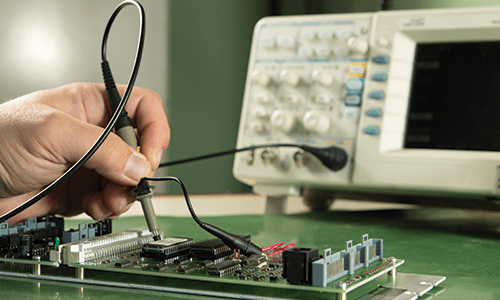
Optimizing Circuit Design for Low Power Consumption
Efficient circuit design is at the heart of extending battery life. Engineers must select components and architectures that minimize energy usage without sacrificing functionality. Here are some proven strategies:
- Use low-power microcontrollers and ICs: Many modern chips offer sleep modes and dynamic frequency scaling.
- Implement power gating: Shut down unused subsystems or peripherals when not needed.
- Reduce quiescent current: Choose regulators and sensors with low standby consumption.
- Optimize firmware: Efficient code can reduce processor wake-ups and unnecessary operations.
- Consider duty cycling: For devices like sensors, operate in bursts and sleep the rest of the time.
PCB layout also plays a role in power efficiency. Short traces, proper grounding, and careful placement of decoupling capacitors help reduce losses and noise. For wireless devices, antenna placement and RF design can impact both performance and battery drain.
Managing Charging, Protection, and Battery Health
Rechargeable products require robust charging circuits and battery management systems (BMS) to ensure safety and longevity. Key design elements include:
- Charge controllers: Regulate voltage and current during charging to prevent overcharging and overheating.
- Protection circuits: Guard against over-discharge, short circuits, and reverse polarity.
- State-of-charge monitoring: Accurate fuel gauging improves user experience and prevents unexpected shutdowns.
- Thermal management: Batteries can degrade or fail if operated outside safe temperature ranges.
Integrating these features early in the design cycle reduces the risk of costly recalls or safety incidents. It also helps meet international safety standards, which are often required for certification and market access. For a comparison of relevant standards, see the electronic product design safety standards comparison.
Enclosure, Thermal, and Environmental Considerations
The physical design of your product affects both user experience and battery performance. Enclosure materials and layout should support heat dissipation, protect against moisture and dust, and allow for safe battery replacement or charging access. Consider the following:
- Thermal design: Batteries and power electronics generate heat. Use vents, heat sinks, or thermal pads as needed.
- Ingress protection: For outdoor or industrial devices, ensure the enclosure meets IP ratings for water and dust resistance.
- Mechanical stress: Secure battery mounts and shock-absorbing features prevent damage from drops or vibration.
- Serviceability: Design for easy battery replacement if the product is not sealed or disposable.
Environmental testing—such as temperature cycling, humidity exposure, and drop tests—validates that the product will perform reliably in real-world conditions. For more on reliability practices, the electronic product design reliability engineering basics article is a useful reference.
Prototyping, Testing, and Regulatory Compliance
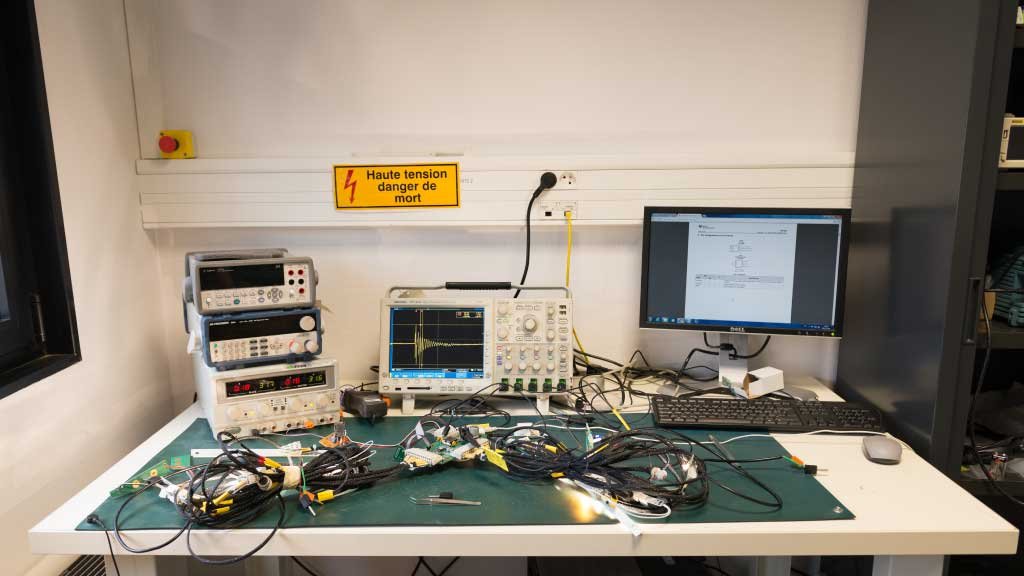
Prototyping is a critical step in refining your design and identifying unforeseen issues. Build and test early prototypes to measure actual power consumption, battery life, and thermal behavior. Use this data to adjust component choices, firmware, or enclosure design as needed.
Key testing activities include:
- Performance testing: Validate battery runtime under different usage scenarios. Automated test setups can speed up this process.
- Safety and compliance: Ensure the product meets relevant standards for electrical safety, electromagnetic compatibility (EMC), and battery transport.
- User testing: Gather feedback on charging time, battery indicators, and ease of use.
For a structured approach to performance validation, see the electronic product design performance testing guide. Thorough documentation of your design and testing process is also essential for regulatory submissions and future product updates. Guidance on this can be found in the electronic product design documentation workflow.
Best Practices and Industry Resources
Staying current with industry trends and proven techniques can help you avoid common pitfalls. Some best practices for battery-operated device development include:
- Design for manufacturability: Choose components with good availability and plan for automated assembly where possible.
- Plan for end-of-life: Consider recycling and disposal requirements for batteries and electronics.
- Iterate rapidly: Use modular designs and rapid prototyping to accelerate development cycles.
- Leverage simulation tools: Power analysis and thermal modeling can identify issues before hardware is built.
For a broader perspective on the product development process, the comprehensive overview of electronic product design and development offers valuable insights into planning, prototyping, and scaling production.
Frequently Asked Questions
What is the most important factor when choosing a battery for a portable device?
The most critical factor is matching the battery’s capacity and chemistry to your device’s power requirements and expected usage patterns. Consider energy density, rechargeability, safety, and size to ensure optimal performance and user satisfaction.
How can I maximize battery life in my electronic product?
To extend battery life, use low-power components, implement efficient firmware, minimize standby current, and design for duty cycling where possible. Regularly test and optimize your design based on real-world usage data.
What safety features should be included in battery-powered designs?
Essential safety features include overcharge and over-discharge protection, short-circuit prevention, thermal monitoring, and robust enclosure design. These measures help prevent failures and are often required for regulatory compliance.
