

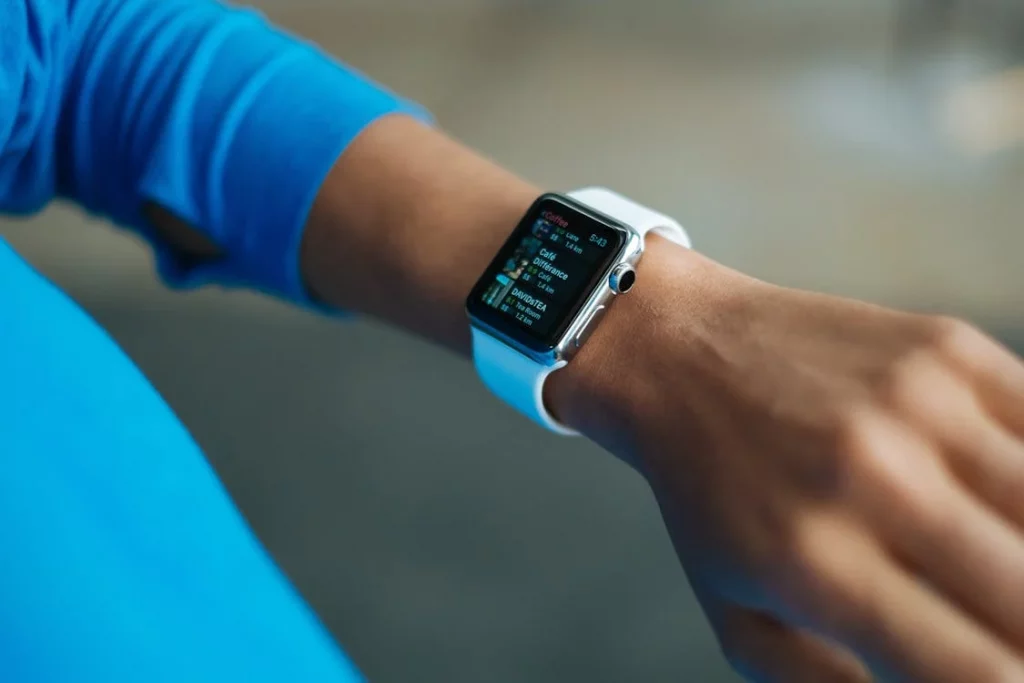
Wearable firmware is a crucial component in the world of smart devices that are worn on the body, such as fitness trackers, smartwatches, and health monitors. As these devices become more integrated into daily life, understanding the software that powers them is essential for both users and developers. This article explores the fundamentals of firmware in wearables, its functions, how it differs from other types of software, and why it matters for device performance and user experience.
For those interested in the broader context of electronic product development, the electronic product design system integration guide offers valuable insights into how firmware fits within the larger system design process.
Understanding Firmware in Wearable Devices
At its core, firmware is a specialized type of software that provides low-level control for a device’s hardware. In the context of wearables, firmware acts as the bridge between the physical components—such as sensors, processors, and displays—and the higher-level applications that users interact with.
Unlike general-purpose software, which can be easily updated or replaced, firmware is typically embedded directly into the device’s memory. This allows for efficient, reliable operation but also means that updates must be handled carefully to avoid rendering the device unusable.
Key Functions of Firmware in Wearables
The primary role of firmware in wearable technology is to manage and coordinate the device’s hardware resources. Here are some of the essential functions it performs:
- Sensor Management: Collects and processes data from accelerometers, heart rate monitors, GPS modules, and other sensors.
- Power Optimization: Controls how the device uses its battery, enabling features like sleep modes and efficient charging.
- Communication: Handles Bluetooth, Wi-Fi, or other wireless protocols to sync data with smartphones or cloud services.
- User Interface Control: Manages the display, touch input, and haptic feedback to ensure smooth user interactions.
- Security: Implements encryption and authentication to protect user data and device integrity.

How Wearable Firmware Differs from Other Software
While both firmware and application software are essential for smart devices, they serve distinct purposes. Application software runs on top of the operating system and provides user-facing features, such as fitness tracking apps or notification systems. In contrast, firmware operates at a lower level, directly interacting with the hardware to ensure the device functions as intended.
Some key differences include:
- Permanence: Firmware is often stored in non-volatile memory and is not meant to be changed frequently.
- Update Process: Updating firmware typically requires a dedicated process, sometimes involving special tools or procedures to prevent errors.
- Resource Management: Firmware must be highly efficient, as wearables have limited processing power and battery life.
Importance of Firmware Updates for Wearables
Regular updates to wearable firmware can bring new features, improve performance, and address security vulnerabilities. However, because firmware is so closely tied to the hardware, updates must be carefully designed and tested. A failed update can potentially “brick” the device, making it unusable.
Manufacturers often release firmware updates to:
- Fix bugs or glitches discovered after the device’s release
- Enhance compatibility with new smartphones or operating systems
- Improve battery life and sensor accuracy
- Add new functionalities, such as additional workout modes or health metrics
Before applying any update, users should ensure their device is fully charged and follow the manufacturer’s instructions closely.

Common Challenges in Developing Firmware for Wearables
Creating robust firmware for wearable devices presents unique challenges compared to other electronics. Some of the most significant hurdles include:
- Limited Resources: Wearables have small batteries and minimal processing power, requiring highly optimized code.
- Hardware Diversity: Different models may use various sensors, displays, or wireless modules, complicating firmware development.
- Security Concerns: As wearables often handle sensitive health and personal data, strong encryption and secure update mechanisms are essential.
- Reliability: Firmware must be resilient to power interruptions and other unexpected events to prevent device failure.
For those interested in the documentation side of hardware and software development, the electronic product design documentation workflow provides a structured approach to managing the complexities of embedded systems.
Wearable Firmware and the Internet of Things (IoT)
Many wearables are part of the broader Internet of Things (IoT) ecosystem, where devices communicate with each other and with cloud platforms. In this context, firmware plays a pivotal role in ensuring secure, reliable data transfer and device interoperability.
For example, a fitness tracker might send heart rate data to a smartphone app, which then uploads it to a cloud service for analysis. The firmware manages all these interactions, ensuring data is transmitted securely and efficiently.
To learn more about the broader category of smart devices, see this comprehensive overview of wearable technology that covers trends, applications, and market growth.
Best Practices for Maintaining and Updating Firmware
Keeping wearable devices running smoothly requires attention to firmware maintenance. Here are some best practices for both users and developers:
- Follow Manufacturer Guidelines: Always use official update tools and instructions to avoid compatibility issues.
- Backup Data: Before updating, ensure important data is backed up, as some updates may reset the device.
- Monitor Battery Levels: Perform updates with a fully charged device to prevent interruptions.
- Stay Informed: Subscribe to manufacturer newsletters or support channels for notifications about critical updates.
Developers should also implement robust error handling and recovery mechanisms to minimize the risk of failed updates.
Future Trends in Wearable Firmware
The landscape of wearable technology is rapidly evolving, and so is the software that powers it. Some emerging trends include:
- Over-the-Air (OTA) Updates: More devices now support wireless firmware updates, making it easier for users to stay up to date.
- AI and Machine Learning Integration: Advanced algorithms are being embedded directly into firmware to enable smarter health tracking and predictive analytics.
- Enhanced Security: As privacy concerns grow, manufacturers are focusing on stronger encryption and authentication methods within firmware.
- Interoperability: Efforts are underway to standardize communication protocols, allowing wearables from different brands to work together seamlessly.
For those interested in reliability and safety aspects, the electronic product design performance testing guide and electronic product design safety standards comparison offer deeper dives into these critical topics.
FAQ
What makes wearable firmware different from smartphone or computer software?
Firmware in wearables is specifically designed to interact directly with the device’s hardware, often with strict resource constraints. Unlike smartphone or computer software, which can be updated frequently and offers more flexibility, wearable firmware must be highly efficient and reliable, as it manages essential device functions and is less frequently updated.
How often should wearable firmware be updated?
Updates are typically released by manufacturers to address bugs, improve performance, or add features. Users should install updates as they become available, but only after reviewing the release notes and ensuring their device is ready for the process. Regular updates help maintain device security and functionality.
Can firmware issues cause a wearable device to stop working?
Yes, problems with firmware—such as failed updates or corrupted code—can render a wearable device unusable. This is why it’s important to follow update instructions carefully and use official tools provided by the manufacturer. Some devices include recovery modes to help restore functionality if an update fails.
Is it possible to customize or modify wearable firmware?
While technically possible, modifying firmware is not recommended for most users. Unauthorized changes can void warranties, introduce security risks, or permanently damage the device. Developers working with open-source platforms may have more flexibility but should proceed with caution.
How does firmware contribute to wearable device security?
Firmware is responsible for implementing encryption, authentication, and secure communication protocols. Well-designed firmware helps protect sensitive user data and prevents unauthorized access to the device, making it a critical component of overall device security.
