

Turning an idea for an electronic device into a finished, market-ready product involves a series of carefully planned steps. This electronic product design concept to production guide walks through the essential stages, from initial brainstorming to mass manufacturing. Whether you are a startup, an established business, or an engineer looking to bring innovation to life, understanding each phase is critical for reducing risk, controlling costs, and ensuring a successful launch.
Along the way, it’s important to consider system integration, documentation, testing, and compliance. For a deeper dive into integration strategies, you may find the electronic product design system integration guide helpful as a companion resource.
Defining the Product Vision and Requirements
The journey begins with a clear definition of the product’s purpose, target market, and core features. This step is foundational for the entire process. Start by answering key questions:
- What problem does the product solve?
- Who are the intended users?
- What are the must-have and nice-to-have features?
- Are there regulatory or environmental constraints?
Documenting these requirements creates a reference point for all future decisions. It also helps align stakeholders and avoid costly changes later in development.
Concept Development and Feasibility Analysis
With requirements in hand, the next step is to brainstorm solutions and evaluate their technical and commercial viability. This phase includes:
- Sketching block diagrams and system architectures
- Researching available technologies and components
- Estimating development costs and timelines
- Identifying potential risks and mitigation strategies
Feasibility studies may involve quick breadboard prototypes or simulations to validate critical assumptions. Early analysis can save significant resources by flagging challenges before full-scale development begins.
Detailed Design and Engineering
Once a concept is validated, detailed engineering work begins. This phase transforms ideas into precise schematics, layouts, and specifications. Key activities include:
- Creating circuit diagrams and selecting components
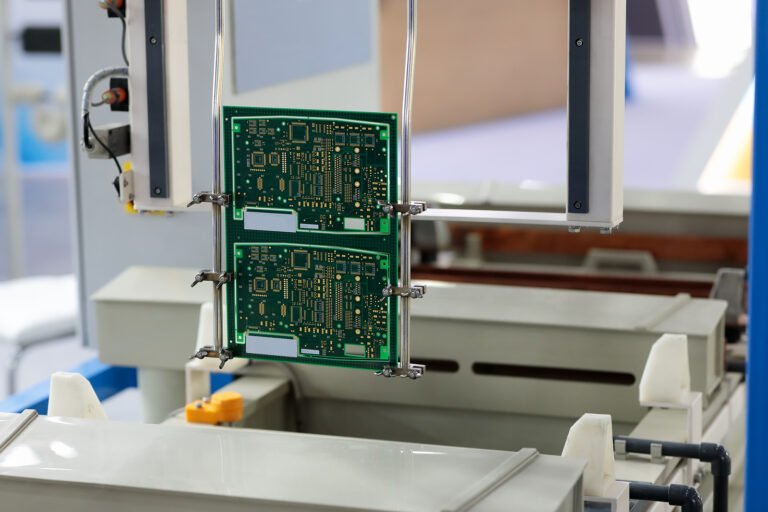
- Designing printed circuit boards (PCBs)
- Developing firmware or embedded software
- Designing enclosures and mechanical parts
- Preparing bills of materials (BOMs) and assembly drawings
Design documentation is essential for collaboration and future reference. For best practices, see the electronic product design documentation workflow guide.
Prototyping and Iterative Refinement
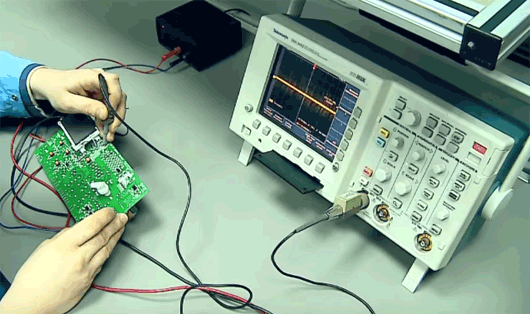
Building prototypes is a critical step in the electronic product design concept to production guide process. Prototypes allow teams to:
- Test functionality and user experience
- Identify design flaws or performance issues
- Gather feedback from stakeholders and potential users
- Validate manufacturability and assembly processes
Iterative prototyping—where designs are refined and re-tested—helps ensure the final product meets requirements and is ready for mass production. It’s common to go through several prototype versions before finalizing the design.

Testing, Compliance, and Certification
Before moving to production, rigorous testing is essential. This includes functional, environmental, and safety tests to ensure reliability and compliance with industry standards. Typical steps are:
- Conducting in-house performance and stress tests
- Testing for electromagnetic compatibility (EMC) and safety
- Preparing documentation for regulatory submissions
- Obtaining required certifications (such as CE, FCC, UL)
For a comprehensive look at testing protocols, the electronic product design performance testing guide provides valuable insights.
Transition to Manufacturing and Supply Chain Planning
With a validated and certified design, attention turns to manufacturing. This phase involves:
- Selecting contract manufacturers or setting up in-house production
- Optimizing the design for manufacturability (DFM)
- Establishing supply chains for components and materials
- Planning for quality control and scalability
Early engagement with manufacturing partners can help avoid delays and reduce costs. Cost reduction strategies during new product introduction (NPI) are vital for competitiveness and profitability.
Quality Assurance and Reliability Engineering
Ensuring consistent quality and long-term reliability is crucial for customer satisfaction and brand reputation. Key practices include:
- Implementing robust quality control processes
- Performing accelerated life and stress testing
- Tracking field failures and continuous improvement
For foundational principles, the electronic product design reliability engineering basics article covers essential reliability strategies.
Product Launch and Post-Production Support
After production ramps up, focus shifts to launching the product and supporting customers. Important considerations include:
- Coordinating logistics and distribution
- Providing technical support and warranty services
- Collecting user feedback for future improvements
- Managing product updates and end-of-life planning
Ongoing support and a feedback loop with users help maintain product quality and inform next-generation development.
Cost Management and Outsourcing Options
Managing costs throughout the development cycle is essential for commercial success. Outsourcing certain design or manufacturing tasks can provide access to specialized expertise and reduce overhead. For example, working with an experienced partner such as professional electronic product design services can streamline the process and help avoid common pitfalls.
Regulatory Standards and Safety
Meeting regulatory and safety standards is non-negotiable in the electronics industry. Products must comply with local and international regulations, which may include RoHS, REACH, and others. For a comparison of key safety standards, refer to the electronic product design safety standards comparison resource.
Frequently Asked Questions
What are the most important steps in bringing an electronic device to market?
The most critical steps include defining clear requirements, validating the concept, detailed engineering, prototyping, rigorous testing, ensuring compliance, and planning for manufacturing and quality assurance. Each phase builds on the previous one to reduce risk and ensure a successful launch.
How can I reduce costs during electronic product development?
Cost reduction can be achieved by thorough planning, early design for manufacturability, iterative prototyping to catch issues early, and considering outsourcing to experienced partners. Engaging with suppliers and manufacturers early also helps optimize component sourcing and assembly processes.
Why is compliance testing necessary for electronic products?
Compliance testing ensures that products meet regulatory, safety, and environmental standards required in target markets. It helps prevent costly recalls, legal issues, and protects users from potential hazards. Certification is often mandatory for legal sale and distribution.
