

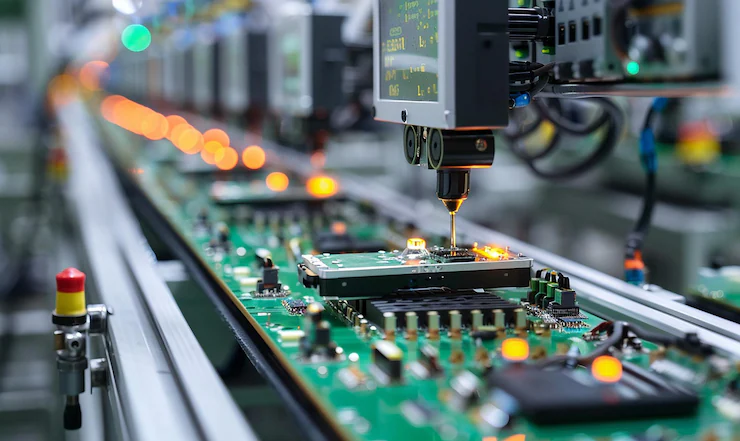
The electronic component lifecycle is a critical concept in electronics design, manufacturing, and maintenance. Understanding how components progress from initial design to eventual obsolescence helps engineers, procurement teams, and manufacturers make informed decisions. Each stage of this process impacts product reliability, cost, and long-term support. Whether you’re designing a new device or managing legacy systems, knowing the stages of a component’s life can reduce risks and improve efficiency.
This guide breaks down the main phases of a component’s existence, highlights key challenges, and offers practical advice for managing each step. If you’re looking to optimize your design workflow or ensure reliable sourcing, a solid grasp of lifecycle management is essential. For a deeper dive into integrating components into complete products, see our electronic product design system integration guide.
Understanding the Stages of an Electronic Component’s Life
The journey of any electronic part typically follows a predictable path. While specific terminology may vary, most lifecycles include the following phases:
- Introduction: The component is released to the market, often with limited availability and higher prices.
- Growth: Demand increases, manufacturing ramps up, and prices stabilize.
- Maturity: The part is widely available, well-supported, and cost-effective.
- Decline: Demand drops as newer technologies emerge, leading to reduced production.
- Obsolescence: The component is discontinued, and support is phased out.
Each stage presents unique opportunities and risks for designers and supply chain professionals. Let’s explore these phases in more detail.
Key Phases in the Lifecycle of Electronic Parts
Introduction and Early Adoption
When a new component is launched, it often features the latest technology and performance enhancements. However, early in the electronic component lifecycle, availability may be limited, and pricing can be high due to low production volumes. Designers who adopt new parts at this stage may gain a competitive edge but should be aware of potential supply constraints and limited field data.
Growth and Widespread Use
As demand grows, manufacturers increase production, leading to improved availability and more competitive pricing. During this period, the component becomes a standard choice for many applications. Quality and reliability data accumulate, making it easier for engineers to assess suitability. This is often the safest phase for sourcing and integrating a part into new designs.
Maturity and Peak Availability
In the maturity phase, the component is fully established in the market. Pricing is stable, support is robust, and supply chains are well-developed. Most electronic products are designed using mature components, as risks related to supply and performance are minimized. However, it’s important to monitor for signs of market saturation or shifts in technology that may signal an approaching decline.
Decline and End-of-Life Planning
As newer, more advanced components are introduced, demand for older parts falls. Manufacturers may reduce production or consolidate product lines. This phase requires careful management, as lead times can increase and prices may rise due to lower volumes. Proactive end-of-life (EOL) planning is essential—engineers should identify alternatives or last-time buy opportunities to avoid disruptions.
Obsolescence and Aftermarket Support
Eventually, the component is discontinued. At this point, official support from the manufacturer ends, and sourcing becomes challenging. Some suppliers may offer aftermarket or refurbished parts, but these can carry risks related to quality and authenticity. For critical applications, it’s vital to have a strategy for redesign, substitution, or lifetime buys to ensure continued product support.

Managing the Electronic Component Lifecycle in Product Development
Effective lifecycle management is a cornerstone of successful electronics design. By tracking where each part sits in its lifecycle, teams can:
- Reduce the risk of supply shortages and unexpected EOL notices
- Optimize costs by sourcing at the right phase
- Plan for redesigns or substitutions before obsolescence impacts production
- Ensure regulatory compliance and long-term support
Integrating lifecycle considerations into your electronic product design documentation workflow can streamline decision-making and reduce project delays.
Common Challenges in Lifecycle Management
Several issues can complicate the management of electronic parts over time:
- Rapid Technology Changes: Fast innovation cycles can shorten the useful life of components.
- Supply Chain Disruptions: Geopolitical events, natural disasters, and market shifts can impact availability.
- Counterfeit Risks: As parts become scarce, the risk of counterfeit or substandard components increases.
- Documentation Gaps: Incomplete records make it harder to track lifecycle status and plan for EOL transitions.
To address these challenges, companies often rely on specialized tools and databases to monitor lifecycle status and receive alerts about upcoming changes.
Best Practices for Lifecycle Management
- Monitor Supplier Notifications: Stay informed about product change notices (PCNs) and EOL announcements.
- Qualify Multiple Sources: Avoid single-sourcing critical components to reduce supply risks.
- Document Lifecycle Status: Maintain up-to-date records in your bill of materials (BOM) and design files.
- Plan for Obsolescence: Identify alternatives and create strategies for redesign or last-time buys.
- Engage with Distributors: Build relationships with trusted suppliers who can provide lifecycle insights.
For more on ensuring reliability throughout the product’s life, see our electronic product design reliability engineering basics guide.
Lifecycle Considerations in PCB Design and Assembly
Printed circuit boards (PCBs) are at the heart of most electronic devices, and their design is closely tied to component availability. Selecting parts that are mature and well-supported can simplify manufacturing and reduce the risk of costly redesigns. For a comprehensive overview of PCB fundamentals, check out this PCB basics tutorial from SparkFun.
During assembly, it’s also important to verify that all specified parts are current and available. Regular reviews of the BOM and close communication with suppliers can help catch potential issues before they impact production schedules.
Frequently Asked Questions
What is the typical lifespan of an electronic component?
The lifespan varies widely depending on the type of component, market demand, and technology trends. Some parts may remain available for decades, while others could be discontinued within a few years. Monitoring supplier updates and industry news is the best way to stay informed.
How can I avoid problems with obsolete components?
Proactive planning is key. Track the lifecycle status of all critical parts, maintain good relationships with suppliers, and always have backup options or redesign plans in place. Consider last-time buys or alternative sourcing strategies when a part is approaching end-of-life.
Are there tools to help manage component lifecycles?
Yes, several software platforms and databases provide real-time lifecycle information, alerts about EOL notices, and suggestions for alternative parts. These tools can be integrated into your design and procurement workflows to reduce risks and improve efficiency.
Conclusion
Understanding the electronic component lifecycle is essential for anyone involved in electronics design, manufacturing, or maintenance. By anticipating changes in availability and planning for each stage, teams can reduce risks, control costs, and ensure long-term product support. For further insights on performance validation, see our electronic product design performance testing guide or explore safety standards in our electronic product design safety standards comparison.
