

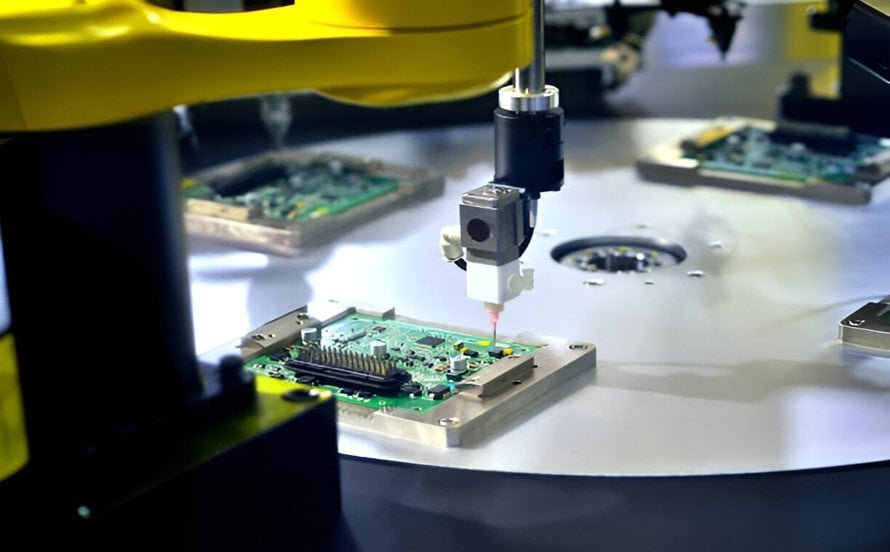
Reverse engineering in electronic product design has become an essential practice for engineers, innovators, and manufacturers seeking to understand, improve, or replicate existing electronic devices. By systematically deconstructing a product, professionals can uncover the underlying architecture, components, and design strategies that make a device function. This approach not only aids in troubleshooting and product improvement but also accelerates innovation by learning from established solutions.
While the process can be complex, it offers significant benefits for competitive analysis, legacy product support, and rapid prototyping. Whether you are a startup, an established manufacturer, or an independent designer, understanding the nuances of reverse engineering can help you make informed decisions and avoid common pitfalls. For a broader perspective on integrating these insights into your workflow, you may find the electronic product design system integration guide useful as a complementary resource.
Understanding the Role of Reverse Engineering in Electronics
At its core, reverse engineering is the process of analyzing an existing electronic product to extract knowledge about its design and operation. This can involve disassembling hardware, tracing circuit layouts, and even examining embedded software. The goal is to reconstruct the design intent, which can be used for various purposes such as product improvement, troubleshooting, or creating compatible devices.
Key motivations for using this approach in electronics include:
- Competitive benchmarking – Understanding how rival products are built and function.
- Legacy support – Maintaining or upgrading products when original documentation is unavailable.
- Cost reduction – Identifying opportunities to simplify or optimize designs.
- Learning and innovation – Gaining insights that inspire new features or products.
Key Steps in the Reverse Engineering Process
Successfully dissecting an electronic device involves a structured approach. Here are the main stages:
- Initial Assessment: Begin by documenting the product’s external features, model numbers, and any available markings. Photograph the device before and during disassembly to aid reassembly and documentation.
- Disassembly: Carefully open the enclosure, noting the arrangement of circuit boards, connectors, and mechanical parts. Use anti-static precautions to prevent component damage.
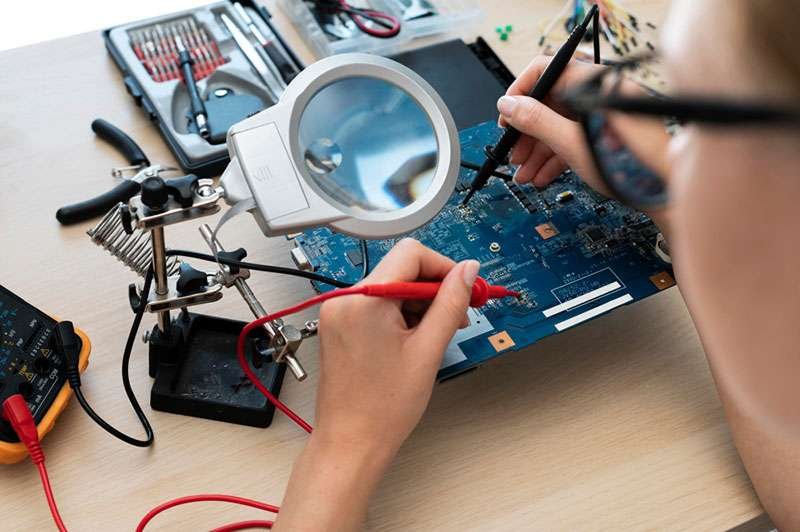
- Circuit Tracing: Map out the printed circuit board (PCB) layout, identifying major components such as microcontrollers, memory chips, and power supplies. Tools like multimeters, continuity testers, and X-ray imaging can help trace hidden layers.
- Component Identification: Research part numbers and datasheets for integrated circuits and discrete components. This step is crucial for understanding the device’s capabilities and sourcing replacements if needed.
- Schematic Reconstruction: Create a circuit diagram based on your findings. This schematic serves as a blueprint for further analysis or redesign.
- Firmware and Software Analysis: If the device contains programmable logic, extract and analyze firmware using specialized tools. This can reveal algorithms, communication protocols, and security features.
- Documentation: Record your findings in detail, including photographs, schematics, and notes. Comprehensive documentation is vital for future reference and compliance.
Applications and Benefits in Modern Product Development
Reverse engineering is not limited to copying or cloning devices. In fact, it plays a pivotal role in several legitimate and innovative applications:
- Product Improvement: By understanding the strengths and weaknesses of existing products, designers can create superior alternatives or address known issues.
- Interoperability: Developing accessories or add-ons often requires knowledge of proprietary connectors or communication protocols, which can be uncovered through detailed analysis.
- Repair and Maintenance: For discontinued or undocumented products, reconstructing schematics enables repairs and upgrades, extending product life cycles.
- Educational Purposes: Engineering students and professionals use this method to deepen their understanding of real-world designs and manufacturing techniques.
For those interested in how reverse engineering fits into the broader context of product development, the electronic product design documentation workflow offers additional insights into best practices for capturing and managing technical information.
Challenges and Ethical Considerations
While reverse engineering in electronic product design offers many advantages, it is not without challenges and ethical questions. Some of the main concerns include:
- Intellectual Property (IP) Risks: Disassembling and analyzing products may infringe on patents, copyrights, or trade secrets. It is crucial to understand the legal boundaries in your jurisdiction before proceeding.
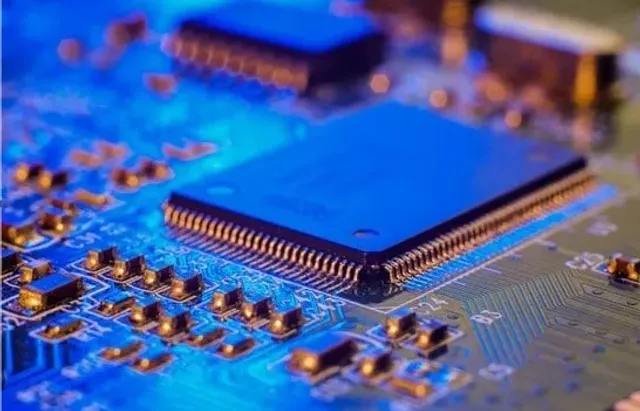
- Technical Complexity: Modern electronics often use multi-layer PCBs, encrypted firmware, and custom components, making analysis more difficult.
- Resource Intensity: The process can be time-consuming and may require specialized equipment or expertise.
- Ethical Use: The intent behind reverse engineering should be to foster innovation, support maintenance, or ensure compatibility—not to violate IP rights or engage in counterfeiting.
Balancing these considerations is essential for responsible engineering and sustainable business practices.
Tools and Techniques for Effective Analysis
Advancements in technology have made it easier to analyze electronic products. Some commonly used tools and methods include:
- Multimeters and Oscilloscopes: For measuring electrical signals and diagnosing circuit behavior.
- PCB Scanners and X-ray Imaging: To visualize internal layers and trace hidden connections.
- Logic Analyzers: For capturing and interpreting digital communication between components.
- Firmware Extractors: Specialized hardware and software for reading embedded code from microcontrollers or memory chips.
- CAD Software: For reconstructing schematics and creating new layouts based on analyzed data.
Choosing the right combination of tools depends on the complexity of the product and the specific goals of your analysis.
Cost Considerations and Outsourcing
Reverse engineering projects can vary widely in cost depending on the complexity of the device, the depth of analysis required, and the expertise involved. For businesses or individuals lacking in-house capabilities, outsourcing to specialized firms is a viable option. These providers offer a range of services, from basic disassembly to full schematic reconstruction and firmware analysis.
To understand the financial aspects and what to expect when hiring professionals, you can refer to this detailed overview of electronic product design service costs. This resource outlines typical pricing models, factors influencing rates, and tips for selecting the right partner.
Integrating Insights into New Designs
The knowledge gained from reverse engineering can be a catalyst for innovation. By learning from existing solutions, engineers can:
- Develop more reliable and efficient products
- Identify and avoid common design flaws
- Accelerate prototyping and reduce time-to-market
- Enhance compatibility with legacy systems or third-party accessories
For those focused on ensuring product quality and reliability, the electronic product design performance testing guide and the electronic product design reliability engineering basics are valuable resources for integrating best practices into your workflow.
Frequently Asked Questions
What are the legal risks associated with reverse engineering electronics?
The legality of reverse engineering varies by country and context. While some jurisdictions allow it for interoperability, research, or repair, others have strict intellectual property laws that may prohibit certain activities. Always consult legal counsel before starting any project to ensure compliance with local regulations.
How can I ensure the quality of my reconstructed schematics?
Accuracy in documentation is crucial. Double-check component values, trace all connections carefully, and use high-resolution photographs to verify your work. Peer review by experienced engineers can also help identify errors or omissions.
Is it possible to reverse engineer encrypted or protected firmware?
While technically feasible, extracting and analyzing encrypted firmware can be extremely challenging and may raise legal and ethical concerns. Specialized tools and expertise are required, and the process may not always yield usable results. Consider whether the effort aligns with your project goals and legal boundaries.
Reverse engineering in the context of electronic product development is a powerful tool for learning, innovation, and problem-solving. By approaching it with the right knowledge, tools, and ethical considerations, you can unlock valuable insights and drive progress in your projects.
