

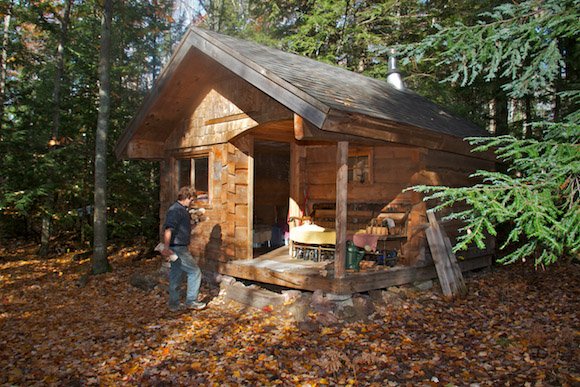
Off-grid community living is gaining traction as more people seek sustainable, self-reliant lifestyles outside traditional city infrastructure. By pooling resources, skills, and labor, these communities create resilient systems for food, energy, water, and shelter. The collective approach not only reduces individual burdens but also fosters a strong sense of cooperation and shared purpose.
Understanding how shared resources work in these settings is essential for anyone considering this lifestyle. This article explores the practicalities of resource sharing, the benefits and challenges, and how communities organize themselves for long-term success. For those interested in the technical aspects of collaborative projects, the electronic product design system integration guide offers insights into teamwork and integration, which can be valuable in off-grid environments.
Principles of Resource Sharing in Sustainable Communities
At the heart of every successful off-grid settlement is a commitment to shared resources. This means individuals and families contribute to, and benefit from, communal assets such as land, water, tools, and infrastructure. By distributing responsibilities and rewards, these groups can achieve a level of efficiency and resilience that would be difficult for individuals to match alone.
Key principles include:
- Cooperation: Decision-making is often democratic, with regular meetings to allocate resources and plan projects.
- Transparency: Open communication about needs, contributions, and usage builds trust and prevents misunderstandings.
- Accountability: Members are expected to participate actively and respect agreed-upon guidelines for resource use.
Essential Shared Resources in Off-Grid Communities
Resource sharing covers a wide range of essentials. Here are some of the most common assets managed collectively:
Energy Systems
Most off-grid groups invest in renewable energy sources like solar panels, wind turbines, or micro-hydro systems. These installations are typically expensive and require ongoing maintenance, making them ideal for communal ownership. By pooling funds and labor, communities can afford higher-capacity systems and ensure reliable power for all members.
Water Collection and Distribution
Water is a critical resource, especially in remote areas. Shared wells, rainwater harvesting systems, and filtration setups are common. Maintenance duties and water usage are often tracked to ensure fair access and sustainability.
Food Production and Storage
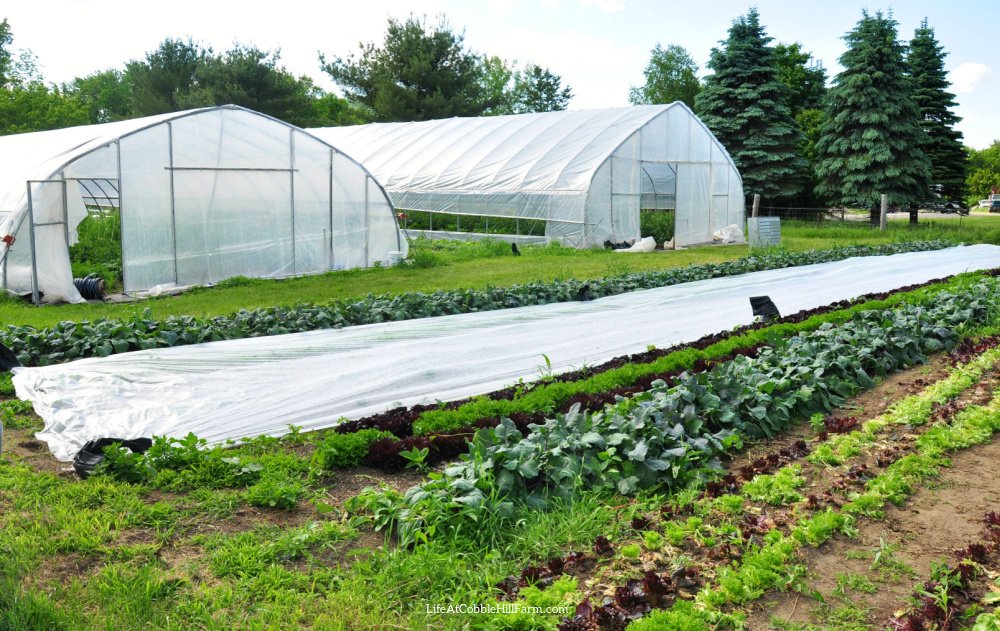
Gardens, orchards, and livestock are often managed as collective projects. Shared greenhouses, root cellars, and food preservation equipment help maximize yields and reduce waste. This approach not only improves food security but also creates opportunities for skill-sharing and community events.

Tools, Appliances, and Equipment
From power tools to kitchen appliances, sharing high-cost or infrequently used items makes sense. Communities often maintain a central inventory and a booking system to ensure everyone has access when needed. This reduces duplication, saves money, and encourages collaboration on projects.
Organizing and Managing Shared Assets
Effective management is crucial for harmony and productivity. Most off-grid groups develop systems for tracking resource usage, scheduling maintenance, and resolving disputes. Some use digital tools, while others rely on whiteboards or paper logs.
Common management practices include:
- Assigning roles such as energy coordinator, garden manager, or water steward
- Holding regular meetings to review needs and address concerns
- Establishing clear guidelines for borrowing, returning, and maintaining shared items
For those interested in structured documentation and workflow, the electronic product design documentation workflow provides useful frameworks that can be adapted for community resource management.
Benefits of Collective Living Arrangements
Pooling resources offers numerous advantages:
- Cost Savings: Shared purchases and bulk buying lower expenses for everyone.
- Resilience: Redundancy and mutual support help communities weather challenges such as equipment failures or poor harvests.
- Skill Development: Members learn from each other, building a diverse set of practical abilities.
- Social Connection: Working together fosters deeper relationships and a sense of belonging.
These benefits make off-grid living more accessible and sustainable, especially for those new to self-sufficiency.
Challenges and Solutions in Shared Off-Grid Living
While the advantages are significant, communal living is not without its hurdles. Common issues include disagreements over resource allocation, uneven participation, and maintenance disputes. Addressing these challenges requires clear communication, fair policies, and a willingness to adapt.
Some strategies for overcoming obstacles:
- Drafting written agreements outlining expectations and responsibilities
- Rotating leadership roles to prevent burnout and ensure diverse perspectives
- Encouraging regular feedback and conflict resolution sessions
Learning from other fields, such as the electronic product design performance testing guide, can help communities develop robust systems for evaluating and improving their shared assets.
Integrating Technology and Innovation
Modern off-grid communities often leverage technology to enhance efficiency and sustainability. Examples include:
- Remote monitoring of solar and water systems via smart sensors
- Online scheduling tools for shared equipment
- Collaborative platforms for project planning and documentation
For those interested in comparing safety and reliability standards, the electronic product design safety standards comparison and electronic product design reliability engineering basics offer frameworks that can be adapted to off-grid resource management.
To further explore sustainable living, the comprehensive guide to off-grid living provides additional tips and insights.
Frequently Asked Questions
How do off-grid communities ensure fair access to shared resources?
Most groups establish clear guidelines and transparent tracking systems for resource use. Regular meetings and open communication help address concerns and ensure everyone has equitable access.
What are the most commonly shared resources in these communities?
Energy systems, water sources, food production areas, tools, and appliances are typically managed collectively. Shared infrastructure like workshops and storage facilities are also common.
How can newcomers contribute to a resource-sharing community?
New members are encouraged to participate in group projects, share skills, and respect established protocols. Many communities offer mentorship or orientation programs to help newcomers integrate smoothly.
