

The landscape of electronic product design trend analysis is evolving rapidly, shaped by advances in technology, shifting consumer expectations, and global market dynamics. For engineers, product managers, and business leaders, understanding these shifts is essential for creating innovative, competitive, and future-ready electronic devices. This guide explores the most significant trends, practical strategies for analysis, and actionable insights to help you stay ahead in the electronics sector.
Before diving into the latest developments, it’s important to recognize how trend analysis connects with broader product development considerations. For example, integrating insights from a comprehensive electronic product design performance testing guide can ensure your analysis translates into real-world product success.
Why Trend Analysis Matters in Electronic Product Design
The electronics industry is characterized by short product lifecycles, intense competition, and rapid technological change. Conducting a thorough trend analysis for electronic product design allows companies to:
- Anticipate emerging technologies and consumer needs
- Identify opportunities for innovation and differentiation
- Reduce risks associated with obsolete or uncompetitive features
- Align R&D investments with market demand
By systematically monitoring and interpreting trends, organizations can make informed decisions about product features, materials, and manufacturing processes.
Key Trends Shaping Modern Electronics
Several major trends are currently influencing the direction of electronic product development. Staying informed about these areas is crucial for effective electronic product design trend analysis.
Miniaturization and Integration
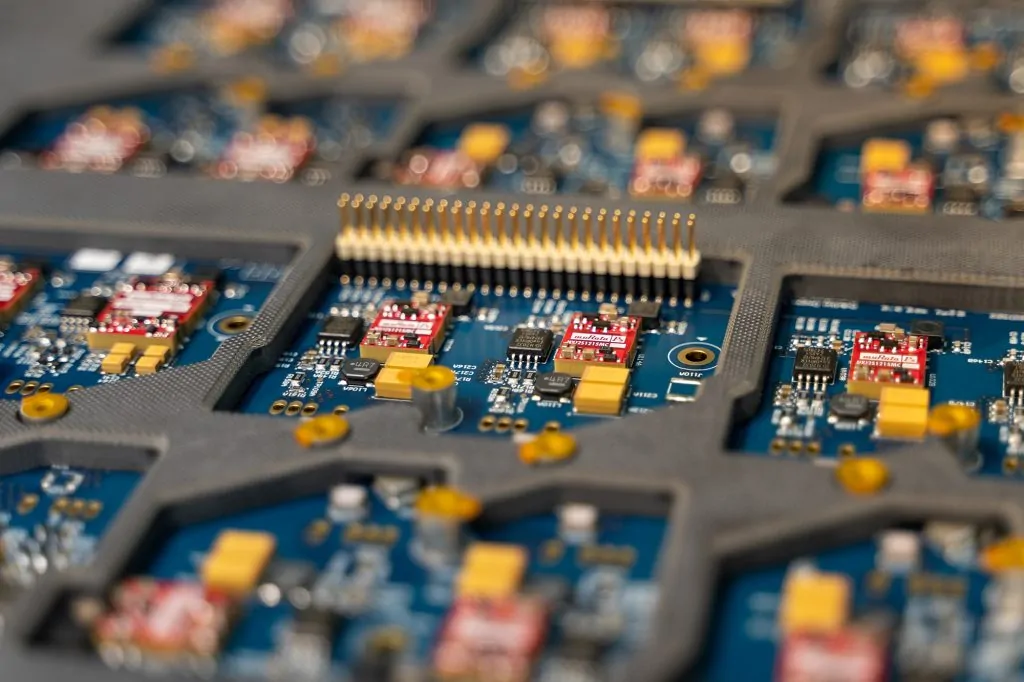
Devices are becoming smaller and more powerful, driven by advances in semiconductor technology and the demand for portability. Designers are integrating multiple functions into single chips or compact modules, reducing size while enhancing performance.
Connectivity and IoT Expansion
The proliferation of the Internet of Things (IoT) has made connectivity a standard requirement. Products are expected to communicate seamlessly with other devices and cloud platforms, enabling remote monitoring, control, and data analytics.
Focus on Sustainability
Environmental concerns are driving the adoption of eco-friendly materials, energy-efficient designs, and circular economy principles. Companies are increasingly prioritizing recyclability, reduced power consumption, and responsible sourcing in their product strategies.
Enhanced User Experience
User-centric design is more important than ever. Features like intuitive interfaces, voice control, and adaptive displays are becoming standard. Accessibility and personalization are also top priorities, ensuring products serve a diverse user base.
Methods for Effective Trend Analysis in Electronics
A structured approach to analyzing trends in electronic product design involves several key steps:
- Market Research: Gather data from industry reports, patent filings, and competitor products. Monitor consumer reviews and feedback to identify unmet needs.
- Technology Scouting: Track advancements in materials, components, and manufacturing techniques. Attend trade shows, webinars, and technical conferences to stay updated.
- Benchmarking: Compare your products against market leaders and emerging innovators. Identify gaps and potential areas for differentiation.
- Cross-Disciplinary Collaboration: Engage with experts in software, hardware, and user experience to gain a holistic perspective on trends.
- Scenario Planning: Develop multiple future scenarios based on current trends. Assess how your product roadmap aligns with each scenario.
For a deeper dive into how these methods are applied in real-world projects, resources such as the 2023 electronic product design and development overview provide valuable case studies and expert commentary.
Integrating Trend Insights into Product Development
Once trends are identified and analyzed, the next step is to translate insights into actionable design decisions. This process typically involves:
- Updating product requirements to reflect new features or standards
- Revising component selection and supply chain strategies
- Adapting testing protocols to address new technologies or regulations
- Collaborating with manufacturing partners to ensure feasibility and scalability
For example, if your analysis highlights the growing importance of advanced PCB materials, consulting a detailed electronic product design pcb material selection guide can help you choose the right substrates for performance and reliability.

Challenges and Solutions in Trend Analysis
While the benefits of trend analysis are clear, several challenges can arise:
- Information Overload: The sheer volume of data can be overwhelming. Prioritize sources and focus on trends most relevant to your market segment.
- Rapid Change: Trends can shift quickly, making it difficult to plan long-term. Use agile development practices to stay flexible and responsive.
- Resource Constraints: Not all organizations have dedicated trend analysis teams. Leverage external consultants, industry partnerships, and collaborative platforms to supplement internal capabilities.
Balancing these challenges requires a combination of strategic focus, continuous learning, and cross-functional teamwork.
Related Considerations for Comprehensive Product Success
Trend analysis is just one piece of the puzzle. To ensure your electronic products excel in the market, it’s important to address related factors such as localization, lifecycle cost, and mechanical integration. For instance, understanding electronic product localization considerations can help tailor your designs for global markets, while a thorough electronic product lifecycle cost analysis ensures long-term profitability. Mechanical integration is another critical area, and the electronic product mechanical integration guide offers practical advice for seamless assembly and durability.
FAQ: Electronic Product Design Trend Analysis
What are the most important trends in electronic product design right now?
Some of the most impactful trends include device miniaturization, increased connectivity through IoT, a focus on sustainability, and enhanced user experience features. Staying updated on these areas helps companies remain competitive and innovative.
How often should companies conduct trend analysis for their electronic products?
It’s advisable to review trends at least annually, though fast-moving markets may require quarterly updates. Regular analysis ensures your product roadmap stays aligned with evolving technologies and consumer expectations.
What resources can help with effective trend analysis in electronics?
Industry reports, patent databases, competitor benchmarking, and expert blogs are valuable sources. Attending trade shows and collaborating with cross-disciplinary teams also provide fresh perspectives and up-to-date information.
Conclusion
Staying ahead in the electronics industry requires a proactive approach to electronic product design trend analysis. By monitoring key developments, leveraging structured analysis methods, and integrating insights into your product development process, you can create innovative, market-ready solutions. Remember to complement your trend analysis with related best practices in testing, localization, cost management, and mechanical integration for comprehensive product success.
