


Developing a successful electronic device relies heavily on the ability to quickly and accurately prototype ideas. Electronic product design prototyping techniques allow engineers and designers to test concepts, refine features, and identify potential issues before committing to full-scale manufacturing. Mastering these methods is essential for reducing development time, controlling costs, and ensuring the final product meets both technical and user requirements.
From breadboards to advanced 3D-printed enclosures, the landscape of prototyping has evolved rapidly. Understanding the available options and when to use each approach can make the difference between a smooth product launch and costly setbacks. For those interested in deeper insights on related topics, the electronic product design performance testing guide provides a comprehensive overview of validation processes that complement prototyping.
Why Prototyping Matters in Electronic Product Development
Prototyping is more than just building a preliminary version of a device. It is a structured process that helps teams:
- Validate technical feasibility and design assumptions
- Identify and resolve design flaws early
- Gather user feedback on functionality and ergonomics
- Demonstrate concepts to stakeholders and investors
- Reduce the risk of expensive changes during production
By leveraging various prototyping techniques for electronic product design, teams can iterate rapidly, ensuring that both hardware and software elements work together seamlessly.
Common Approaches to Electronic Prototyping
There is no one-size-fits-all method for prototyping electronics. The choice depends on project complexity, budget, and development stage. Below are some widely used approaches:
Breadboarding and Stripboarding
Breadboards are essential for initial circuit validation. They allow for quick assembly and modification of electronic circuits without soldering. Stripboards (or perfboards) offer a more permanent solution, enabling soldered connections while still allowing for changes before committing to a custom PCB.
Development Boards and Modular Systems
Platforms like Arduino, Raspberry Pi, and ESP32 have revolutionized rapid prototyping. These boards provide pre-built microcontrollers, input/output interfaces, and connectivity options, allowing designers to focus on application logic rather than low-level hardware details. Modular add-ons (shields, hats, or expansion boards) further speed up prototyping by providing plug-and-play functionality for sensors, displays, and communication modules.
Custom PCB Prototyping
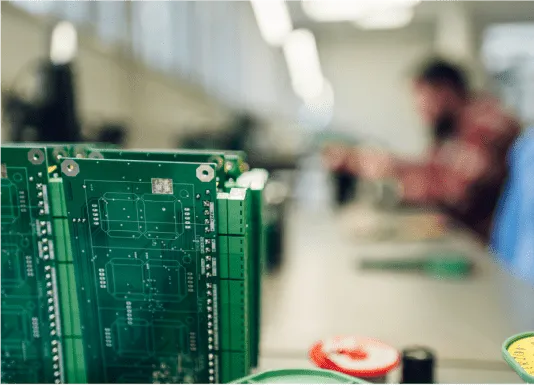
Once a design is validated on a breadboard or development board, the next step is often to create a custom printed circuit board (PCB). Modern PCB fabrication services offer quick turnaround times, enabling teams to test layouts, component placement, and signal integrity in a form factor close to the final product. For more on this topic, the electronic product design pcb material selection guide covers material choices and their impact on performance.
Physical Enclosure and Mechanical Prototyping
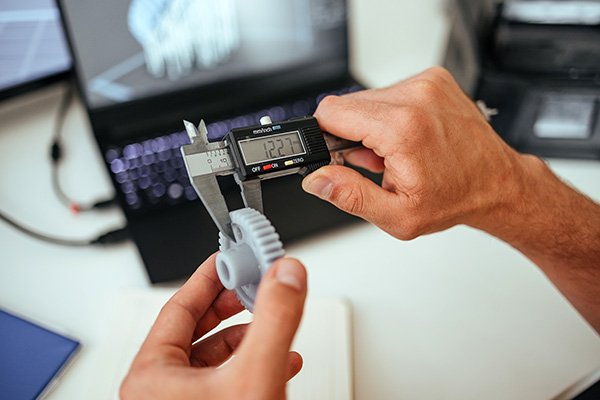
Electronic devices are rarely just circuit boards; they require housings that protect the internals and provide user interfaces. Mechanical prototyping techniques include:
- 3D Printing: Enables rapid creation of custom enclosures and mounting hardware, allowing for ergonomic testing and design iteration.
- CNC Machining: Useful for producing robust prototypes from metals or plastics, especially for parts that require high precision or durability.
- Vacuum Forming and Casting: Suitable for producing multiple copies of a prototype enclosure for user testing or pilot runs.
Integrating the electronics with the enclosure is a critical step. For guidance on this process, the electronic product mechanical integration guide offers practical advice on aligning mechanical and electrical design efforts.
Advanced Prototyping Methods for Electronic Devices
As products become more complex, advanced prototyping methods are increasingly important. Some of these include:
Simulation and Virtual Prototyping
Before building physical prototypes, engineers often use simulation tools to model circuit behavior, thermal performance, and electromagnetic compatibility. This approach saves time and resources by identifying potential issues in a virtual environment.
Rapid PCB Assembly Services
Many companies now offer rapid assembly for small batches of PCBs, including automated pick-and-place, soldering, and even basic testing. This service accelerates the transition from prototype to pilot production, helping teams validate manufacturability and assembly processes.
Functional and User Experience Prototypes
Beyond technical validation, it’s important to test how users interact with the device. Functional prototypes combine working electronics with representative enclosures, allowing for usability studies, ergonomic assessments, and feedback collection. Early user testing can reveal issues that might not be apparent from technical evaluation alone.
Best Practices for Efficient Prototyping
To get the most from electronic product design prototyping techniques, consider these best practices:
- Start with the simplest prototype that answers your key questions
- Iterate quickly and document changes for traceability
- Engage stakeholders and end-users early in the process
- Use off-the-shelf components where possible to speed up development
- Plan for manufacturability and scalability from the beginning
For a broader perspective on the design process, this guide to electronic product design provides a detailed overview of the stages from concept to production.
Integrating Prototyping with Testing and Cost Analysis
Prototyping is closely linked with testing and cost management. Each iteration should include validation steps to ensure the design meets performance, safety, and regulatory requirements. For more on this, the electronic product localization considerations article discusses adapting designs for different markets, while the electronic product lifecycle cost analysis guide explains how to estimate and control costs throughout development.
Frequently Asked Questions
What is the main benefit of prototyping in electronic product development?
Prototyping allows teams to validate ideas, test functionality, and identify design flaws early, reducing the risk of costly errors later in the process. It also helps gather user feedback and demonstrate concepts to stakeholders.
How do I choose the right prototyping technique for my project?
The best approach depends on the project’s complexity, budget, and development stage. Early stages may use breadboards or development boards, while later stages benefit from custom PCBs and enclosure prototypes. Consider the goals of each prototype and select techniques that provide the necessary insights efficiently.
Can I skip physical prototyping and rely only on simulations?
While simulations are valuable for predicting performance and identifying issues, physical prototypes are essential for validating real-world behavior, user experience, and manufacturability. Combining both approaches leads to more robust and reliable products.
