


Designing electronics for use in harsh or demanding settings requires a specialized approach. From industrial automation to outdoor communications, products must withstand extreme temperatures, moisture, dust, vibration, and physical impacts. Electronic product design for rugged environments is about more than just tough enclosures—it’s a comprehensive process that ensures reliability, safety, and performance under real-world stresses.
Whether developing devices for mining, transportation, military, or remote infrastructure, engineers must consider every aspect of the product lifecycle. This includes material selection, circuit protection, thermal management, and compliance with environmental standards. For a deeper dive into testing strategies, the electronic product design performance testing guide offers valuable insights on validating durability and reliability early in the process.
Key Challenges in Harsh Environment Electronics
Developing robust devices for demanding settings presents unique technical and logistical hurdles. Some of the most common challenges include:
- Temperature Extremes: Electronics may need to operate in sub-zero cold, intense heat, or fluctuating conditions that can cause condensation and thermal stress.
- Moisture and Humidity: Water ingress, high humidity, and even salt spray can corrode contacts and short circuits.
- Dust and Particulates: Fine particles can interfere with moving parts, connectors, and sensitive circuits.
- Shock and Vibration: Mechanical impacts and continuous vibration can loosen components or cause solder joint failures.
- Electromagnetic Interference (EMI): Industrial or military environments often have significant EMI that can disrupt normal operation.
Addressing these factors requires a holistic approach to rugged electronic product design, from the earliest concept stages through to manufacturing and field deployment.
Design Principles for Reliable Performance
To ensure success in challenging settings, engineers should follow proven design principles tailored to rugged applications:
-
Component Selection:
- Use industrial or military-grade parts rated for wide temperature ranges and high reliability.
- Choose connectors and switches with appropriate IP (Ingress Protection) ratings.
-
Protective Enclosures:
- Design housings to shield electronics from dust, water, and impacts.
- Consider materials like polycarbonate, aluminum, or stainless steel for strength and corrosion resistance.
-
Thermal Management:
- Integrate heat sinks, thermal pads, or active cooling where necessary.
- Optimize PCB layout for even heat distribution and minimal hotspots.
-
Vibration and Shock Mitigation:
- Mount PCBs using shock-absorbing standoffs or grommets.
- Secure large or heavy components to prevent movement during operation.
-
Sealing and Gasketing:
- Use O-rings, gaskets, and conformal coatings to prevent moisture ingress.
- Seal cable entries and connectors to maintain enclosure integrity.

Testing and Validation for Rugged Electronics
Testing is a critical phase in the development of electronics for harsh conditions. Products must be validated against relevant standards such as MIL-STD-810 (military), IEC 60529 (IP ratings), or industry-specific requirements. Key testing procedures include:
- Thermal Cycling: Exposing devices to repeated heating and cooling to simulate real-world temperature swings.
- Ingress Protection (IP) Testing: Verifying resistance to dust and water according to standardized levels.
- Vibration and Shock Testing: Ensuring that assemblies withstand transportation and operational stresses.
- Salt Fog and Corrosion Testing: Assessing the durability of materials and finishes in corrosive environments.
- EMI/EMC Testing: Confirming that devices can operate reliably in the presence of electromagnetic fields.
For a step-by-step overview of these processes, the comprehensive guide to electronic design and manufacturing provides practical insights into industry best practices.
Material and PCB Considerations
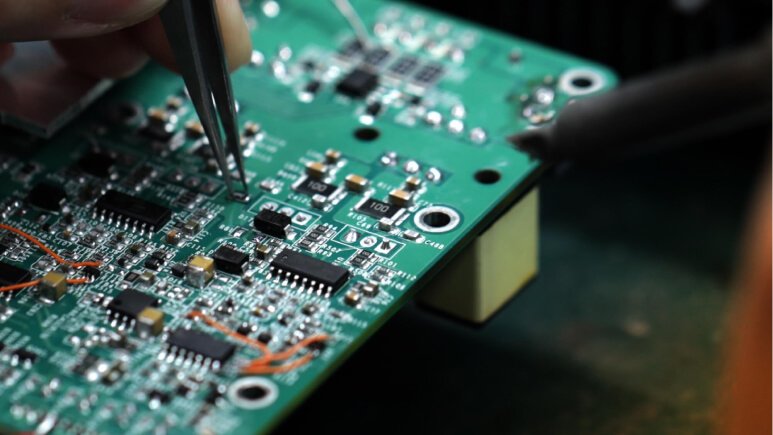
Material choice is fundamental to the success of ruggedized electronics. Not only must enclosures be tough, but internal components such as printed circuit boards (PCBs) also need to be selected with care. Factors to consider include:
- PCB Substrates: High-temperature laminates, such as polyimide or ceramic-filled materials, offer better stability and reliability than standard FR-4 in extreme conditions.
- Conformal Coatings: Applying protective coatings to PCBs shields sensitive circuits from moisture, dust, and chemical exposure.
- Corrosion-Resistant Finishes: Gold or tin plating on connectors and pads helps prevent oxidation and ensures long-term conductivity.
For a detailed discussion on selecting the right PCB materials for demanding applications, see the electronic product design pcb material selection resource.
Mechanical Integration and Assembly
Mechanical design plays a crucial role in the overall durability of rugged electronics. Proper integration ensures that all components work together to resist environmental threats. Key considerations include:
- Fastening Methods: Use locking fasteners, thread-locking compounds, and captive screws to prevent loosening under vibration.
- Cable Management: Secure cables with strain reliefs and route them away from moving parts or heat sources.
- Modular Design: Enable easier maintenance and upgrades by designing for modularity and accessibility.
For more on integrating electronics with mechanical systems, the electronic product mechanical integration guide covers essential strategies for robust assembly.
Cost, Lifecycle, and Localization Factors
While durability is paramount, it’s also important to balance cost, manufacturability, and adaptability for different markets. Considerations include:
- Lifecycle Cost Analysis: Assess total cost of ownership, including maintenance, repairs, and expected lifespan. The electronic product lifecycle cost analysis guide offers frameworks for evaluating these factors.
- Localization: Adapt designs for regional standards, environmental conditions, and user requirements. For further guidance, refer to the electronic product localization considerations article.
By taking a holistic view, teams can deliver products that not only survive in tough environments but also meet business and user needs efficiently.
FAQ
What are the most important standards for rugged electronic devices?
Key standards include MIL-STD-810 (military environmental testing), IEC 60529 (IP ratings for dust and water ingress), and various industry-specific requirements. Compliance ensures that devices are tested for durability, safety, and reliability in harsh conditions.
How can I protect electronics from moisture and dust?
Effective strategies include using sealed enclosures with high IP ratings, applying conformal coatings to PCBs, and integrating gaskets or O-rings at all entry points. Proper sealing of connectors and cable glands is also essential to prevent ingress.
Why is thermal management critical in rugged environments?
Extreme temperatures can degrade component performance, cause premature failure, or lead to unsafe operation. Thermal management—through heat sinks, ventilation, and careful PCB design—helps maintain safe operating temperatures and extends product lifespan.
