

Designing a successful Bluetooth-enabled electronic device requires a blend of technical expertise, careful planning, and a clear understanding of both wireless technology and product development best practices. This bluetooth electronic product design guide provides a practical overview for engineers, product managers, and innovators who want to bring reliable, compliant, and market-ready Bluetooth products to life. From initial concept through to prototyping, testing, and certification, each stage demands attention to detail and a focus on performance, usability, and manufacturability.
Before diving into the core steps, it’s important to recognize that Bluetooth product development is not just about integrating a wireless module. It involves hardware selection, antenna design, firmware development, regulatory compliance, and user experience considerations. For those interested in optimizing the performance of their devices, the electronic product design performance testing guide offers valuable insights into testing and validation strategies that complement the design process discussed here.
Key Considerations for Bluetooth Device Architecture
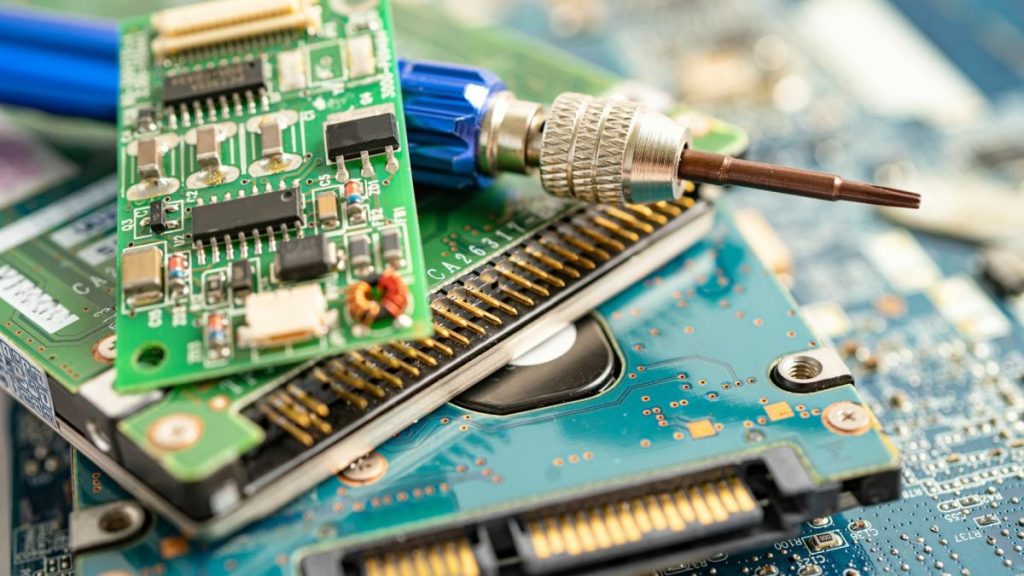
At the heart of any Bluetooth product is the system architecture, which determines how the device communicates, processes data, and interacts with users. When developing a wireless device, consider the following:
- Bluetooth Version Selection: Choose between Bluetooth Classic, Bluetooth Low Energy (BLE), or dual-mode, depending on your application’s data rate, power consumption, and compatibility needs.
- Microcontroller or SoC: Decide whether to use a standalone Bluetooth module, a microcontroller with integrated Bluetooth, or a system-on-chip (SoC) solution. Each has trade-offs in terms of cost, flexibility, and development complexity.
- Power Management: For battery-powered devices, optimizing sleep modes, duty cycles, and transmission intervals is crucial for extending battery life.
- Antenna Design: Antenna placement and matching directly impact wireless range and reliability. Early simulation and prototyping help avoid costly redesigns later.
Component Selection and Schematic Design
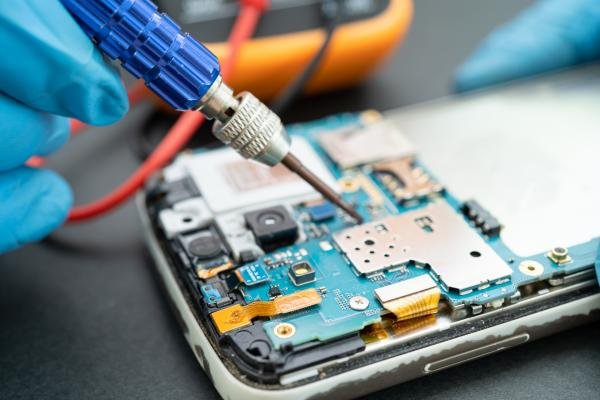
Choosing the right components is foundational to any bluetooth electronic product design guide. Start with a reliable Bluetooth IC or module that meets your range, throughput, and certification requirements. Consider the following steps:
- Module vs. Chip: Modules simplify certification and integration but may cost more. Chip-level designs offer flexibility and lower BOM cost but require more RF expertise.
- Supporting Components: Select voltage regulators, oscillators, and passive components that match the Bluetooth chipset’s requirements.
- Schematic Capture: Use proven reference designs from the chipset vendor as a starting point. Pay attention to signal integrity, decoupling, and layout guidelines.
- PCB Material Selection: The choice of PCB substrate and stack-up can affect RF performance. For more on this, see the electronic product design pcb material selection resource.
PCB Layout and RF Optimization
Printed circuit board layout is a critical phase in any Bluetooth device project. A well-designed PCB ensures optimal signal quality and minimizes interference. Key tips include:
- Short RF Traces: Keep antenna and RF signal traces as short and direct as possible to reduce losses.
- Grounding: Implement a solid ground plane beneath RF circuitry to reduce noise and improve signal stability.
- Component Placement: Place the Bluetooth IC, antenna, and sensitive analog components away from noisy digital circuits and power supplies.
- EMC Considerations: Use shielding, filtering, and proper trace routing to meet electromagnetic compatibility requirements.
Proper mechanical integration also plays a role in RF performance. For guidance on enclosure design and assembly, refer to the electronic product mechanical integration guide.
Firmware Development and Bluetooth Stack Integration
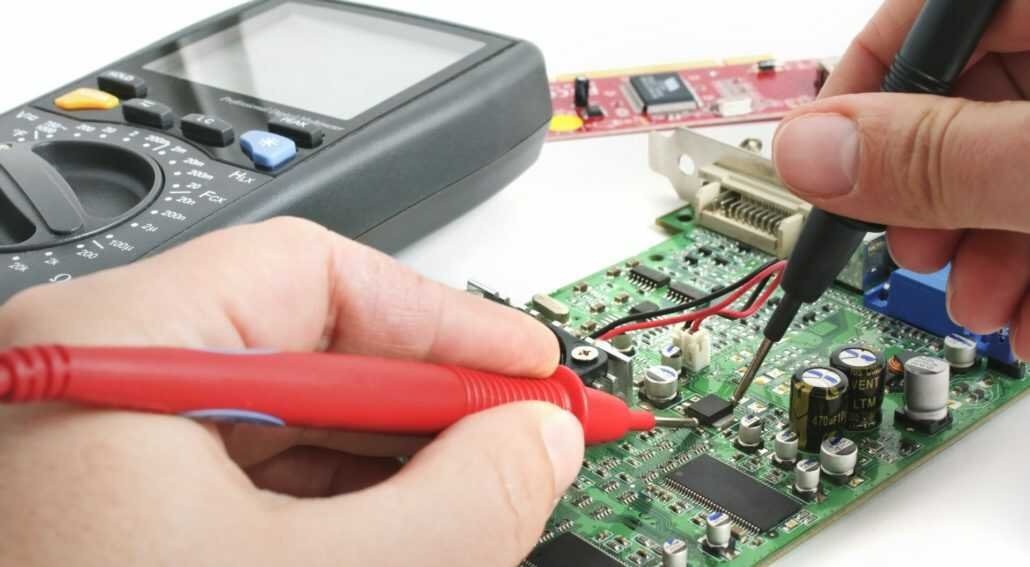
Developing robust firmware is essential for Bluetooth-enabled electronics. The firmware manages wireless communication, device logic, and user interactions. Consider these aspects:
- Bluetooth Stack: Use the vendor-provided Bluetooth stack or an open-source alternative that matches your hardware and application profile.
- Profiles and Services: Implement standard Bluetooth profiles (e.g., HID, GATT, SPP) or create custom services for unique functionality.
- Power Optimization: Leverage low-power modes and efficient event handling to maximize battery life, especially in BLE devices.
- Over-the-Air Updates: Plan for firmware updates to address bugs or add features post-deployment.
Prototyping, Testing, and Validation
Building and testing prototypes is a vital step in the product development lifecycle. This phase helps identify design flaws, optimize performance, and ensure the device meets user expectations. Effective strategies include:
- Functional Testing: Verify wireless connectivity, range, data throughput, and interoperability with target devices.
- Performance Testing: Assess battery life, latency, and robustness under real-world conditions. For comprehensive testing approaches, consult the electronic product design performance testing guide.
- EMC and RF Compliance: Pre-compliance testing helps identify potential issues before formal certification, reducing time-to-market risks.
Iterate on the prototype based on test results, refining hardware, firmware, and mechanical design as needed.
Regulatory Certification and Compliance
All Bluetooth devices must meet regulatory requirements for wireless communication and safety. The main steps include:
- Bluetooth Qualification: Products must be qualified through the Bluetooth SIG, which involves testing and documentation to ensure interoperability and compliance.
- Regional Certifications: Obtain FCC (USA), CE (Europe), and other regional certifications as required. Using pre-certified modules can simplify this process.
- Labeling and Documentation: Ensure the product is labeled with the appropriate certification marks and includes user documentation outlining compliance.
For more tips on navigating the certification process and ensuring a successful launch, see this guide to electronic product development success.
Production, Quality Assurance, and Lifecycle Management
Transitioning from prototype to mass production brings new challenges. Key steps include:
- DFM (Design for Manufacturability): Simplify assembly, minimize part counts, and select components with stable supply chains.
- Quality Control: Implement in-line and end-of-line testing to catch defects early and ensure consistent performance.
- Lifecycle Cost Analysis: Consider long-term support, component obsolescence, and maintenance. For a deeper dive, the electronic product lifecycle cost analysis article provides useful frameworks.
Monitor field performance and gather user feedback to inform future updates and next-generation designs.
Localization and Global Market Considerations
When targeting international markets, it’s important to adapt your Bluetooth device for local regulations, languages, and user preferences. This may involve:
- Firmware Localization: Supporting multiple languages and regional settings in the device interface and companion apps.
- Regulatory Adaptation: Meeting country-specific wireless and safety standards.
- Packaging and Documentation: Providing translated manuals and region-appropriate labeling. For more, see the electronic product localization considerations resource.
FAQ
What are the main differences between Bluetooth Classic and Bluetooth Low Energy (BLE)?
Bluetooth Classic is designed for continuous, high-data-rate applications such as audio streaming, while BLE is optimized for low-power, intermittent data transfers, making it ideal for sensors, wearables, and IoT devices. Choosing the right protocol depends on your device’s use case and power requirements.
How can I ensure my Bluetooth product passes regulatory certification?
Start by selecting pre-certified modules or reference designs, follow best practices for RF layout, and conduct pre-compliance testing. Engage with accredited test labs early in the process and prepare thorough documentation for Bluetooth SIG, FCC, CE, and other relevant bodies.
What are common pitfalls in Bluetooth product development?
Frequent issues include poor antenna placement, inadequate power management, insufficient testing, and overlooking regional compliance requirements. Early planning, iterative prototyping, and leveraging proven design resources can help avoid these challenges.
