


Developing modern wireless devices requires a solid understanding of both electronics and radio frequency (RF) engineering. Whether you’re creating smart home gadgets, wearable tech, or industrial IoT solutions, mastering the wireless electronic product design basics is essential for building reliable, compliant, and market-ready products. This article explores the core concepts, design stages, and practical considerations that every engineer and product developer should know when embarking on a wireless electronics project.
For a deeper dive into ensuring your device meets performance standards, the electronic product design performance testing guide offers valuable insights into testing protocols and best practices.
Key Principles of Wireless Device Development
Building a successful wireless product involves more than just adding a radio module to a circuit board. The process requires careful planning, system-level thinking, and a deep understanding of how wireless signals interact with hardware and the environment. Here are several foundational principles to keep in mind:
- System Integration: All subsystems—power, microcontroller, sensors, and RF—must work together seamlessly. Poor integration can lead to interference, reduced performance, or regulatory failures.
- RF Fundamentals: Understanding frequency bands, modulation schemes, and antenna design is crucial. Each wireless technology (Bluetooth, Wi-Fi, LoRa, Zigbee, etc.) has unique requirements.
- Compliance and Certification: Products must meet regional regulations (FCC, CE, etc.) for electromagnetic compatibility (EMC) and radio emissions. Early planning for compliance saves time and cost later.
- Power Management: Wireless features often increase power consumption. Efficient design extends battery life and reduces heat.
Stages in the Wireless Product Design Process
The journey from concept to finished wireless device typically follows these stages:
- Requirements Definition: Identify user needs, target market, and technical specifications. Decide on wireless protocols, range, data rates, and power constraints.
- System Architecture: Select microcontrollers, RF modules, antennas, and supporting components. Consider integration challenges and mechanical constraints.
- Prototyping: Build initial prototypes to validate concepts and test wireless performance in real environments.
- Design Iteration: Refine hardware and firmware based on test results. Address issues such as signal integrity, interference, and power draw.
- Pre-Compliance Testing: Conduct in-house EMC and RF tests to identify and resolve potential regulatory issues before formal certification.
- Certification and Production: Submit the product for regulatory approval, then move to mass production and ongoing quality control.

Choosing the Right Wireless Technology
One of the most important decisions is selecting the wireless standard that fits your application. Each technology offers trade-offs in range, data rate, power consumption, and cost. Here’s a quick overview:
| Technology | Range | Data Rate | Typical Use |
|---|---|---|---|
| Bluetooth Low Energy (BLE) | 10–100 meters | Up to 2 Mbps | Wearables, health devices |
| Wi-Fi | Up to 100 meters | Up to 1 Gbps | Home automation, cameras |
| Zigbee | 10–100 meters | Up to 250 Kbps | Smart lighting, sensors |
| LoRa | Up to 15 km | Up to 50 Kbps | Remote monitoring, agriculture |
Carefully consider your product’s requirements before locking in a wireless protocol. Factors such as network topology, scalability, and security also play a role in the decision.
PCB Layout and Antenna Considerations
Printed circuit board (PCB) design is a critical aspect of wireless device engineering. The layout directly affects RF performance, signal integrity, and regulatory compliance. Here are some best practices:
- Keep RF Traces Short: Minimize trace length between the radio chip and antenna to reduce losses and interference.
- Controlled Impedance: Maintain consistent impedance on RF traces to prevent signal reflections and degradation.
- Grounding and Shielding: Use solid ground planes and, where necessary, shielding cans to isolate sensitive RF sections from digital noise.
- Antenna Placement: Place the antenna away from metal enclosures, batteries, or other components that could block or detune the signal.
For more detailed guidance on materials and stack-ups, refer to the electronic product design pcb material selection resource.
Prototyping and Testing Wireless Devices
Prototyping is where theory meets reality. Early prototypes allow you to test wireless range, data throughput, and battery life in real-world conditions. This phase is also crucial for identifying and resolving issues such as:
- Unexpected interference from nearby electronics or environmental sources
- Insufficient range or dropped connections
- Excessive power consumption or overheating
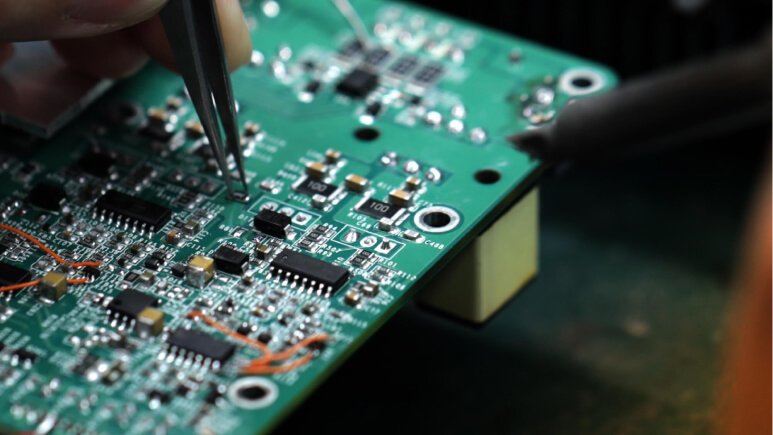
Iterative testing and refinement at this stage can prevent costly redesigns later. It’s also a good time to start planning for regulatory pre-compliance testing, which can highlight issues before formal certification.
Ensuring Regulatory Compliance and Certification
All wireless products must comply with local and international regulations, such as FCC in the US or CE in Europe. These rules govern electromagnetic emissions, interference, and safety. Failing to meet them can result in fines, recalls, or market bans. Key steps include:
- Designing with certified modules when possible to streamline approval
- Conducting pre-compliance tests during development
- Preparing documentation and test reports for certification labs
For a comprehensive overview of the manufacturing and certification process, see this detailed article on electronic design and manufacturing.
Mechanical and Environmental Factors
Mechanical design impacts wireless performance as much as electronics. Enclosures, mounting hardware, and even product labels can affect signal strength and reliability. Considerations include:
- Using non-metallic enclosures or providing RF windows for antennas
- Ensuring environmental sealing (IP rating) does not block wireless signals
- Allowing for thermal management to prevent overheating
For integration tips, the electronic product mechanical integration guide covers enclosure and assembly strategies.
Optimizing Power Consumption in Wireless Products
Battery life is a make-or-break factor for many wireless devices. Strategies for optimizing power include:
- Choosing low-power wireless protocols and chipsets
- Implementing sleep modes and duty cycling in firmware
- Minimizing active transmission time and optimizing data payloads
- Using efficient power supplies and voltage regulators
Balancing performance and battery life often requires trade-offs, so prototype and test under realistic usage scenarios.
Cost, Lifecycle, and Localization Considerations
Beyond technical design, successful wireless products must be cost-effective, scalable, and adaptable to different markets. Consider:
- Choosing components with secure supply chains and long-term availability
- Designing for manufacturability and ease of assembly
- Planning for localization, such as supporting multiple frequency bands or languages
- Analyzing total lifecycle costs, including support and updates
For more on these topics, explore the electronic product lifecycle cost analysis guide and electronic product localization considerations for practical advice.
Frequently Asked Questions
What is the most important factor in wireless device design?
The most critical factor is system integration—ensuring that RF, digital, and power subsystems work together without interference. Early planning and iterative testing are key to achieving robust performance and compliance.
How can I improve wireless range in my product?
Improving range involves optimizing antenna design and placement, minimizing interference, and selecting the appropriate wireless protocol for your application. Using high-quality components and careful PCB layout also contribute to better range.
Do I need to certify every wireless product?
Yes, all wireless products must meet regional regulatory standards before being sold. Certification requirements vary by country and technology, but most products require testing for electromagnetic compatibility and radio emissions.
