

Bringing a new electronic device from idea to reality is a complex journey that demands careful planning, technical expertise, and a clear understanding of both market needs and engineering constraints. This electronic product concept development guide provides a practical roadmap for innovators, startups, and established companies looking to navigate the early stages of electronic product creation. From refining your initial idea to preparing for prototyping and beyond, each step is crucial for reducing risks, controlling costs, and ensuring your product stands out in a competitive market.
Before diving into the technicalities, it’s important to recognize that concept development is not just about technology. It’s about aligning business goals, user needs, and engineering feasibility. For those interested in how performance and reliability factor into the process, the electronic product design performance testing guide offers valuable insights that complement this overview.

Understanding the Stages of Electronic Product Ideation
The process of shaping a new electronic device typically unfolds in several key phases. Each stage builds upon the last, ensuring that the final product meets both technical and market requirements. Here’s a breakdown of the main steps:
- Market Research and Opportunity Identification: Analyze user needs, competitor offerings, and emerging trends to validate your idea and define the problem your product will solve.
- Requirements Gathering: Translate user and business needs into clear technical and functional requirements. This includes defining features, performance targets, and regulatory considerations.
- Concept Generation: Brainstorm multiple solutions, leveraging cross-functional teams to explore different architectures, technologies, and design approaches.
- Feasibility Analysis: Assess the technical, financial, and manufacturing viability of each concept. Early risk identification can save significant time and resources down the line.
- Concept Selection and Refinement: Narrow down options using criteria such as cost, complexity, scalability, and alignment with business goals. Refine the chosen concept into a preliminary design.
Defining Product Requirements for Success
Clear, well-documented requirements are the foundation of any successful electronics project. In this section of the electronic product concept development guide, we’ll look at how to create a robust requirements document:
- Functional Requirements: Specify what the product must do, including core features, user interface expectations, and integration needs.
- Performance Criteria: Define measurable targets such as speed, power consumption, battery life, and environmental tolerance.
- Compliance and Safety: Identify relevant standards (e.g., FCC, CE, RoHS) and plan for testing and certification.
- Cost Targets: Set realistic goals for both development and production costs to ensure commercial viability.
- Manufacturability: Consider how design choices will impact assembly, sourcing, and scalability.
Documenting these requirements early helps prevent costly changes later and keeps the team aligned throughout the development process. For deeper insights into cost management, the electronic product lifecycle cost analysis resource is highly recommended.
Prototyping and Early Validation
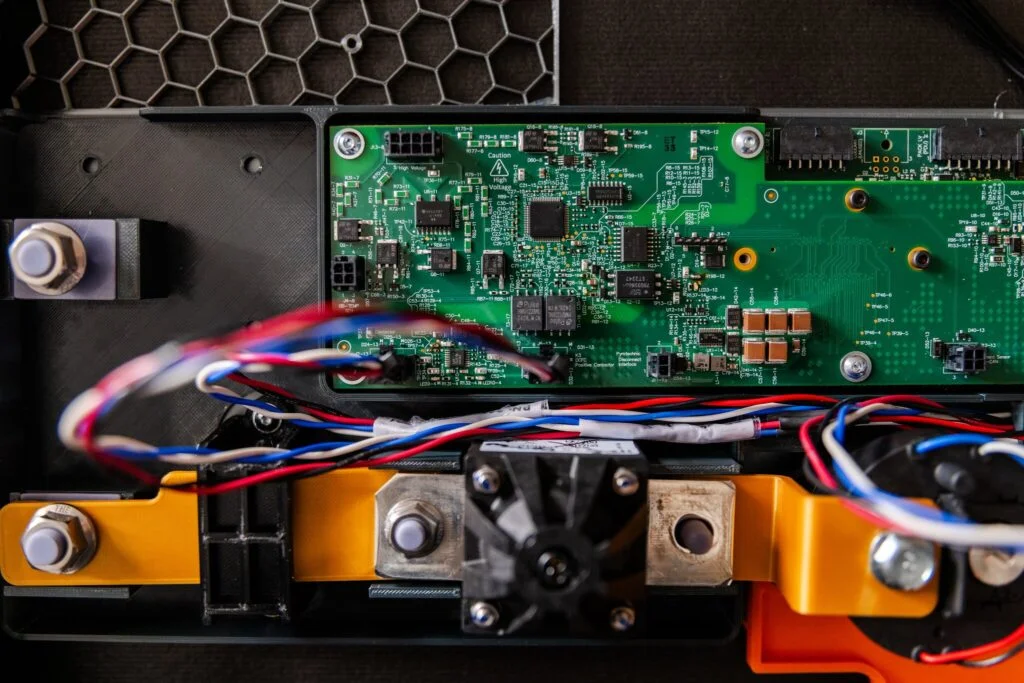
Once a concept is selected and requirements are defined, the next step is to create a prototype. Prototyping is essential for validating assumptions, uncovering design flaws, and gathering user feedback before committing to full-scale development.
Key considerations during this phase include:
- Rapid Prototyping: Use development boards, 3D printing, and off-the-shelf components to quickly test core functions.
- Iterative Testing: Evaluate the prototype’s performance against requirements and refine the design based on test results.
- User Feedback: Engage potential customers or stakeholders early to ensure the product meets real-world needs.
- Design for Manufacturability: Start thinking about how the prototype can be transitioned to mass production, including PCB layout and material choices. For more on this, see the electronic product design pcb material selection guide.
Key Considerations in Electronic Product Architecture
Architectural decisions made during concept development have a lasting impact on cost, performance, and scalability. Here are some best practices:
- Modular Design: Break down the system into functional blocks (e.g., power supply, microcontroller, communication modules) to simplify troubleshooting and upgrades.
- Component Selection: Choose reliable, readily available parts to reduce supply chain risks and ensure long-term support.
- Integration Planning: Consider how electronic and mechanical elements will fit together. The electronic product mechanical integration guide provides further guidance on this topic.
- Scalability: Design with future product versions or feature expansions in mind.
Risk Management and Common Pitfalls
Even the best-planned projects face risks. Addressing potential challenges early can help avoid costly setbacks. Common pitfalls in electronic device development include:
- Unclear Requirements: Vague or shifting goals can lead to scope creep and missed deadlines.
- Underestimating Complexity: Overlooking integration issues or regulatory hurdles can derail progress.
- Poor Documentation: Incomplete records make troubleshooting and future updates difficult.
- Ignoring User Feedback: Products that don’t solve real problems or are difficult to use are unlikely to succeed.
To minimize these risks, establish a culture of open communication, regular reviews, and iterative development. For additional strategies, consider reading expert tips for successful electronic product development from industry professionals.
Transitioning from Concept to Detailed Design
After validating your concept and prototype, the next phase involves detailed engineering. This includes creating schematic diagrams, PCB layouts, firmware, and mechanical enclosures. At this stage, close collaboration between hardware, software, and mechanical teams is essential.
Key steps include:
- Finalizing Schematics and Layouts: Ensure all circuits are optimized for performance and manufacturability.
- Preparing for Compliance Testing: Plan for EMC, safety, and environmental tests required for your target markets.
- Supply Chain Planning: Secure reliable sources for all components and materials.
- Design Reviews: Conduct thorough reviews to catch errors before moving to production.
At this point, it’s also important to revisit your requirements and ensure that all critical needs are addressed. If your product is intended for multiple regions, the electronic product localization considerations guide can help you plan for international compliance and user preferences.
Frequently Asked Questions
What is the most important first step in developing a new electronic product?
The initial step is thorough market and user research. Understanding the problem you’re solving and the needs of your target audience ensures that your concept is both viable and valuable. Skipping this phase can lead to wasted resources and missed opportunities.
How do I choose the right components for my prototype?
Start by identifying the key functions your device must perform. Select components that are reliable, widely available, and well-supported by documentation and community resources. Consider future scalability and supply chain stability as well.
How can I ensure my design is ready for manufacturing?
Engage with manufacturing partners early in the process, use design-for-manufacturability principles, and document every aspect of your design. Regular design reviews and early prototyping help identify issues before they become costly problems in production.
By following the steps and best practices outlined in this electronic product concept development guide, innovators can increase their chances of bringing successful, market-ready devices to life. Careful planning, clear requirements, and iterative validation are the keys to transforming a promising idea into a reliable, manufacturable product.
