


Bringing an electronic device from concept to large-scale manufacturing is a complex process that requires careful planning, technical expertise, and a deep understanding of both engineering and production realities. Electronic product design for mass production involves more than just creating a working prototype—it’s about ensuring that every aspect of the product is optimized for efficient, reliable, and cost-effective manufacturing at scale.
Whether you’re an entrepreneur, a startup, or an established company, understanding the key steps and best practices in this process can make the difference between a successful launch and costly setbacks. This article explores the essential phases, challenges, and strategies for designing electronics that are ready for high-volume production, while also highlighting important considerations such as testing, materials, and integration.
For those interested in the technical aspects of performance validation, the electronic product design performance testing guide offers valuable insights into ensuring reliability and compliance before scaling up production.
Key Phases in Designing Electronics for Large-Scale Manufacturing
The journey from idea to mass-produced product typically follows a structured path. Each phase builds on the previous one, with decisions made early in the process having a significant impact on manufacturing efficiency and product quality.
- Concept Development: Define the product’s purpose, target market, and core features. Early feasibility studies help identify potential technical and manufacturing challenges.
- Detailed Design: Engineers create schematics, select components, and design the printed circuit board (PCB). Mechanical integration and enclosure design are also addressed at this stage.
- Prototyping: Initial prototypes are built to validate the design, test functionality, and identify areas for improvement. This is a critical step before committing to tooling and large-scale production.
- Design for Manufacturability (DFM): The design is refined to ensure it can be produced efficiently, with minimal defects and at the lowest possible cost. DFM involves close collaboration between design engineers and manufacturing experts.
- Pilot Production: A small batch is manufactured using production-intent processes to validate assembly, test procedures, and supply chain readiness.
- Mass Production: Full-scale manufacturing begins, with ongoing quality control and process optimization.
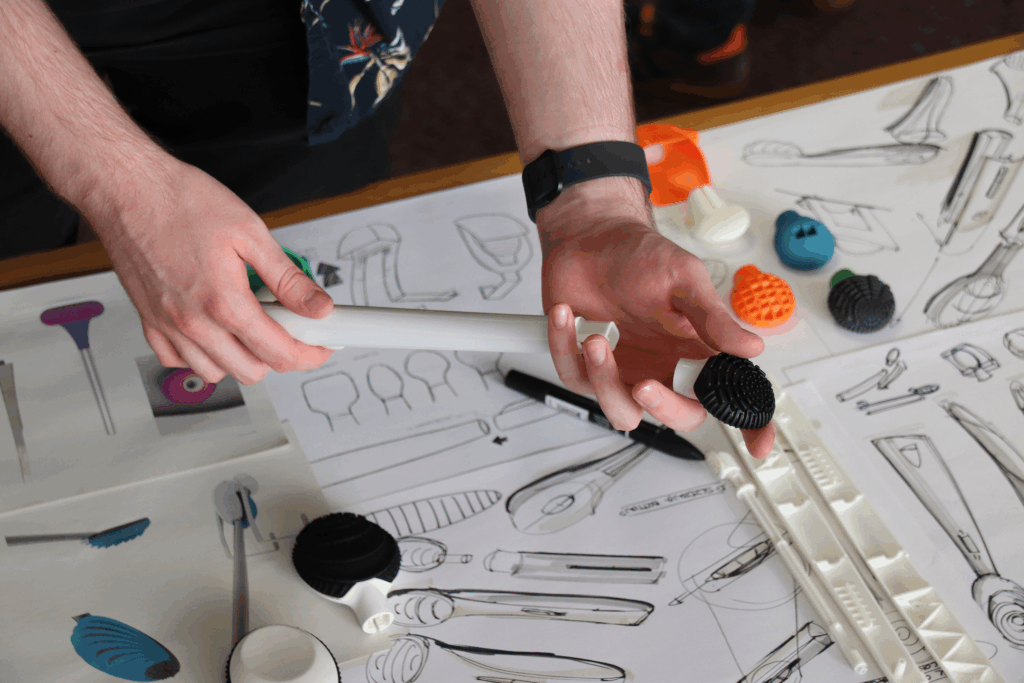
Design for Manufacturability: Reducing Cost and Complexity
One of the most important aspects of electronic product design for mass production is ensuring that the product can be manufactured efficiently and at scale. Design for Manufacturability (DFM) is a set of engineering practices that aim to simplify assembly, reduce material costs, and minimize the risk of defects.
Key DFM principles include:
- Standardizing components and materials to reduce sourcing complexity.
- Minimizing the number of parts and assembly steps.
- Designing PCBs and enclosures for automated assembly and testing.
- Ensuring that tolerances and specifications are achievable with available manufacturing processes.
- Planning for test points and diagnostic features to streamline quality control.
Applying DFM early in the design process can significantly lower production costs and improve product reliability. For more on selecting the right PCB materials, see the electronic product design pcb material selection guide.
Prototyping and Iteration: Bridging the Gap to Production
Prototyping is a critical step in the journey to mass production. It allows engineers to validate design choices, test user experience, and uncover potential issues before investing in expensive tooling or committing to large orders of components.
There are several types of prototypes used in this process:
- Proof-of-Concept: Demonstrates core functionality, often using off-the-shelf components.
- Engineering Prototype: Closer to the final product, used to test electrical and mechanical integration.
- Production Prototype: Built using production-intent materials and processes, used to validate manufacturing and assembly.
Each iteration provides valuable feedback, enabling the team to refine the design for better performance, manufacturability, and user satisfaction.
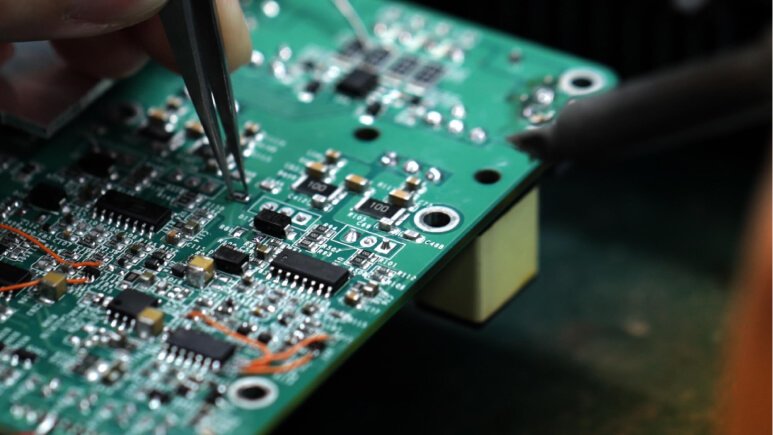
Component Selection and Supply Chain Considerations
Choosing the right components is essential for both performance and manufacturability. When designing electronics for high-volume production, it’s important to:
- Use widely available, well-documented parts with multiple sources.
- Consider end-of-life (EOL) risks and plan for obsolescence management.
- Balance cost, quality, and lead times to ensure production schedules can be met.
- Work closely with suppliers to secure reliable sourcing and anticipate potential disruptions.
Supply chain resilience is especially important in today’s global market, where shortages and delays can have a significant impact on project timelines and costs.
For a deeper dive into managing costs throughout a product’s life, the electronic product lifecycle cost analysis resource is recommended.
Testing, Compliance, and Quality Assurance
Before scaling up production, every electronic device must undergo rigorous testing to ensure it meets functional, safety, and regulatory requirements. This includes:
- Electrical and functional testing of all features.
- Environmental and stress testing to verify durability.
- Compliance testing for certifications such as CE, FCC, or UL, depending on the target market.
- Establishing robust quality control processes for ongoing production.
Early and thorough testing helps catch issues before they become costly problems in the field or on the production line. For more on localization and adapting products for different markets, see the electronic product localization considerations guide.
Mechanical and Enclosure Design for High-Volume Assembly
Mechanical integration is a key factor in ensuring that electronic products can be assembled quickly and reliably. Important considerations include:
- Designing enclosures for automated assembly and minimal manual intervention.
- Ensuring that all parts fit together with consistent tolerances.
- Selecting materials that balance durability, cost, and manufacturability.
- Planning for thermal management, EMI shielding, and user safety.
For practical guidance on integrating electronics with mechanical components, refer to the electronic product mechanical integration guide.
Best Practices for Scaling Up Production
Transitioning from prototypes to full-scale manufacturing requires careful coordination and ongoing optimization. Some best practices include:
- Engaging with contract manufacturers early to get feedback on design and assembly.
- Documenting all design files, bills of materials (BOM), and assembly instructions clearly.
- Implementing pilot runs to validate processes and identify bottlenecks.
- Monitoring quality metrics and yield rates to drive continuous improvement.
- Staying flexible to adapt to supply chain changes or market feedback.
For additional insights on the intersection of design and manufacturing, the blog on electronic design and manufacturing provides a comprehensive overview of industry trends and challenges.
Frequently Asked Questions
What is the difference between prototyping and mass production in electronics?
Prototyping involves building a small number of units to test and refine the design, often using manual assembly and off-the-shelf components. Mass production, on the other hand, uses automated processes, custom tooling, and optimized designs to produce large quantities efficiently and consistently.
How does Design for Manufacturability (DFM) impact electronic product development?
DFM ensures that the product can be assembled, tested, and produced at scale with minimal cost and defects. It involves simplifying designs, standardizing parts, and considering manufacturing constraints early in the engineering process.
Why is component selection critical for high-volume electronic products?
Choosing the right components affects cost, availability, and long-term support. Using widely available, reliable parts reduces the risk of supply chain disruptions and helps maintain consistent quality throughout the product’s lifecycle.
