


Designing electronic products for today’s markets requires more than just innovative features and reliable performance. One of the most critical aspects is ensuring that devices meet electromagnetic compatibility (EMC) requirements. EMC testing in electronic product design helps prevent unwanted interference, ensures regulatory compliance, and protects both users and other electronic systems from malfunction or degradation.
Understanding the fundamentals of EMC, integrating best practices early in the design process, and knowing how to navigate the testing landscape are all essential for engineers and product teams. This article explores the role of EMC in product development, outlines the main testing procedures, and provides actionable strategies for achieving compliance efficiently.
For a broader perspective on how performance testing fits into the overall development process, see our electronic product design performance testing guide.
Understanding EMC and Its Importance in Product Development
Electromagnetic compatibility refers to a product’s ability to operate as intended in its environment without causing or suffering from electromagnetic interference (EMI). In practical terms, this means that an electronic device must not emit excessive electromagnetic energy that could disrupt other equipment, nor should it be overly sensitive to external sources of interference.
EMC is crucial for several reasons:
- Regulatory compliance: Most countries require electronic products to meet specific EMC standards before they can be marketed or sold.
- Product reliability: Devices that are susceptible to EMI may malfunction, leading to costly recalls or damage to brand reputation.
- User safety: In some cases, EMC failures can pose safety risks, especially in medical, automotive, or industrial applications.
By addressing EMC early in the design cycle, teams can avoid expensive redesigns and delays during certification.
Key Stages of EMC Testing in Electronic Product Design
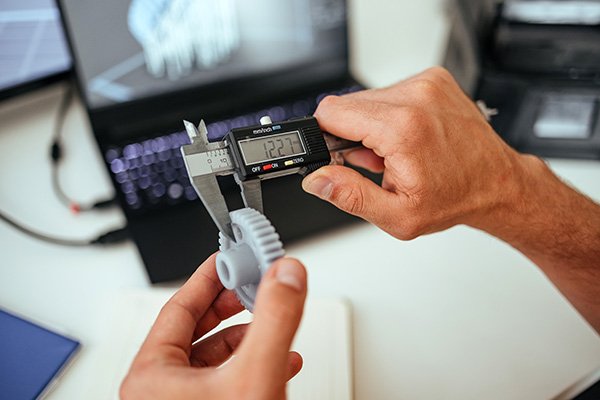
Integrating EMC testing in electronic product design is not a one-time event. It’s a process that spans several stages of development, each with its own objectives and methods:
- Pre-compliance testing: Early-stage tests help identify potential EMC issues before finalizing the design. These tests are often performed in-house using pre-compliance equipment and can save significant time and resources.
- Design verification: As prototypes are built, more thorough EMC assessments are conducted to verify that the product meets internal and regulatory standards. This may involve iterative testing and design adjustments.
- Compliance testing: The final product is tested in accredited laboratories according to relevant standards (such as FCC, CE, or CISPR). Passing these tests is mandatory for market access in many regions.
Each stage builds on the previous one, reducing risk and increasing the likelihood of first-time compliance.
Common EMC Issues and How to Address Them
Many EMC problems arise from design oversights or inadequate planning. Some of the most frequent challenges include:
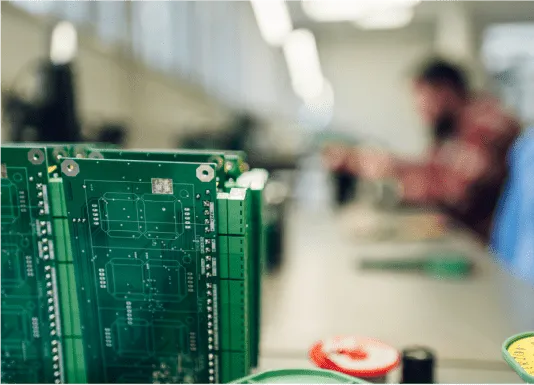
- Poor PCB layout: Inadequate grounding, long signal traces, and improper component placement can all increase emissions or susceptibility.
- Insufficient shielding: Without proper enclosures or shielding, devices may emit or absorb unwanted electromagnetic energy.
- Unfiltered cables and connectors: Cables can act as antennas, radiating or receiving EMI if not properly filtered or shielded.
To mitigate these risks, designers should:
- Follow best practices for PCB design, including careful routing, ground planes, and controlled impedance traces.
- Use appropriate shielding materials and techniques for enclosures and sensitive areas.
- Implement filters (such as ferrite beads or capacitors) on power and signal lines.
- Consider EMC requirements from the earliest design stages, not just before certification.
For more on integrating mechanical and electrical considerations, refer to our electronic product mechanical integration guide.
Standards and Regulations for EMC Compliance
Regulatory requirements for EMC vary by region and product type. Some of the most widely recognized standards include:
- FCC Part 15: Applies to electronic devices sold in the United States.
- EN 55032 / CISPR 32: Covers multimedia equipment in Europe and many other markets.
- IEC 61000 series: International standards for immunity and emissions testing.
Manufacturers must identify which standards apply to their products based on target markets and intended use. Working with experienced test labs and consultants can help clarify requirements and streamline the path to compliance.
For a comprehensive overview of the product development process, you may find this guide to electronic product design helpful.
Best Practices for Integrating EMC Testing into Product Design
To maximize efficiency and minimize costly surprises, consider these strategies:
- Plan for EMC from the start: Include EMC considerations in initial design reviews and requirements documents.
- Use simulation tools: Modern software can predict potential EMC issues before hardware is built.
- Prototype and test early: Build and evaluate early prototypes under real-world conditions to catch problems sooner.
- Document changes: Keep detailed records of design modifications and their impact on EMC performance.
- Collaborate with test labs: Engage with accredited labs early to understand test procedures and avoid delays.
These practices not only support compliance but also contribute to overall product quality and reliability.
Integrating EMC with Other Design Considerations
EMC is just one aspect of a successful electronic product. It intersects with other design factors such as cost, manufacturability, and localization. For example, material choices for PCBs and enclosures can affect both EMC and production costs. See our electronic product design pcb material selection resource for more on this topic.
Additionally, adapting products for different markets may require adjustments to meet regional EMC standards. Our electronic product localization considerations article covers these challenges in detail.
FAQ: EMC Testing and Electronic Product Development
What is the difference between EMC and EMI?
EMC (electromagnetic compatibility) is the ability of a device to function properly in its environment without causing or being affected by electromagnetic interference. EMI (electromagnetic interference) refers specifically to the unwanted disturbance that can affect electronic circuits. EMC testing ensures that products both resist and do not generate excessive EMI.
When should EMC testing be performed during product development?
It’s best to address EMC considerations from the earliest design stages. Pre-compliance testing can be done during prototyping, with formal compliance testing conducted on final production units before market launch. Early and iterative testing helps avoid costly redesigns and certification delays.
What happens if a product fails EMC testing?
If a device does not meet EMC requirements, the design team must identify and correct the sources of emissions or susceptibility. This may involve changes to PCB layout, shielding, filtering, or enclosure design. After modifications, the product must be retested to confirm compliance.
Conclusion
Integrating EMC testing in electronic product design is essential for regulatory approval, product reliability, and user satisfaction. By understanding the requirements, planning for EMC from the outset, and leveraging best practices, teams can streamline development and reduce the risk of costly setbacks. Whether you’re designing consumer electronics, industrial systems, or specialized equipment, a proactive approach to EMC will help ensure your product’s success in the marketplace.
