


The rapid evolution of wearable technology has transformed how people monitor their health and fitness. At the heart of this transformation are biometric sensors in wearables, which enable real-time tracking of physiological data. From smartwatches that measure heart rate to fitness bands that analyze sleep cycles, these sensors have become essential for both consumers and healthcare professionals. Understanding their capabilities, applications, and limitations is crucial for anyone interested in the intersection of technology and personal health.
As the adoption of wearable devices grows, questions about the reliability and precision of their biometric measurements also increase. This article explores the main types of sensors used, their most common applications, and how accurate their readings truly are. For those involved in developing or testing such devices, resources like the electronic product design performance testing guide provide valuable insights into ensuring optimal product functionality.
Core Technologies Behind Biometric Sensors in Wearables
The foundation of modern wearables lies in their ability to collect and interpret biological signals. Several types of biometric sensors in wearables are commonly used, each designed to capture specific data points:
- Optical Sensors: These use light to measure blood flow, enabling heart rate and blood oxygen saturation monitoring.
- Electrodermal Sensors: By detecting changes in skin conductivity, these sensors can infer stress levels or emotional states.
- Accelerometers and Gyroscopes: These track movement, orientation, and activity levels, providing insights into steps taken, calories burned, and sleep patterns.
- Temperature Sensors: Monitoring skin or body temperature helps in detecting fever or changes in metabolic activity.
- ECG (Electrocardiogram) Sensors: Advanced wearables may include ECG capabilities to detect irregular heart rhythms or atrial fibrillation.
The integration of these sensors allows wearables to deliver a comprehensive view of the user’s health and activity, making them valuable tools for both daily wellness and medical monitoring.
Key Applications of Wearable Biometric Tracking
The versatility of biometric sensors in wearables has led to a wide range of practical uses. Some of the most prominent applications include:
Fitness and Activity Monitoring
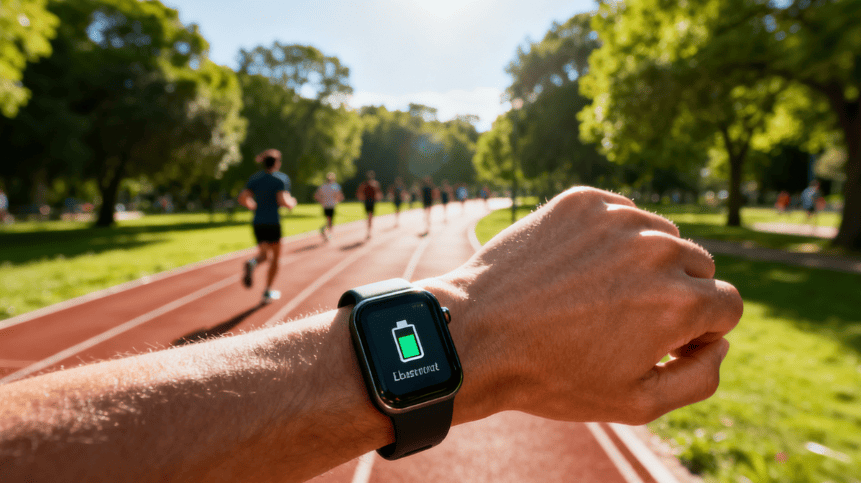
Fitness trackers and smartwatches are now standard accessories for athletes and casual users alike. They provide feedback on steps, distance, calories, and exercise intensity. By leveraging accelerometers and heart rate sensors, these devices help users set and achieve fitness goals.
Health and Wellness Management
Beyond fitness, wearables are increasingly used for ongoing health management. Continuous heart rate monitoring, sleep analysis, and stress tracking enable users to make informed lifestyle choices. Some devices can even alert users to abnormal readings, prompting early intervention.
Medical and Clinical Use Cases
In healthcare, wearables are being adopted for remote patient monitoring, chronic disease management, and post-operative care. Devices equipped with ECG or blood oxygen sensors can transmit data directly to healthcare providers, supporting proactive care and reducing hospital visits.
Workplace and Occupational Safety
Certain industries use wearables to monitor worker health and safety. For example, biometric sensors can track fatigue, exposure to hazardous conditions, or vital signs in high-risk environments, helping prevent accidents and improve overall well-being.
Evaluating the Accuracy of Biometric Wearable Devices
While the convenience of wearable technology is undeniable, the accuracy of their biometric readings is a subject of ongoing research and debate. Several factors influence how closely these devices align with clinical-grade equipment:
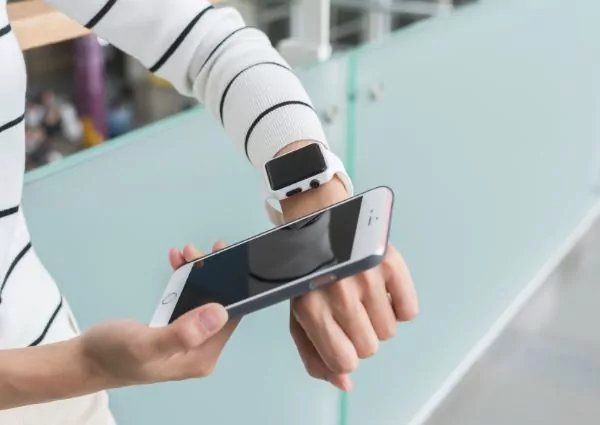
- Sensor Placement: Proper contact with the skin is essential for reliable readings. Loose or misaligned devices can introduce errors.
- User Movement: Physical activity, sweat, and environmental conditions can affect sensor performance, especially for optical and electrodermal sensors.
- Device Calibration: Regular calibration and software updates help maintain accuracy, but not all consumer devices offer this feature.
- Population Differences: Factors such as skin tone, body composition, and age can impact sensor effectiveness.
Studies have shown that while wearables are generally reliable for tracking trends and relative changes, they may not always provide precise absolute values. For example, heart rate readings during intense exercise or irregular heart rhythms may be less accurate than those obtained in controlled clinical settings.
For a deeper dive into the science behind wearable technology and how these sensors function, readers can explore this comprehensive overview of wearable device technology.
Challenges and Future Directions for Biometric Sensors
As demand for more advanced and reliable wearables grows, manufacturers face several challenges. Ensuring data privacy and security is paramount, especially as devices collect increasingly sensitive health information. Battery life and device comfort must also be balanced with the need for continuous monitoring.
Looking ahead, improvements in sensor miniaturization, machine learning algorithms, and integration with electronic health records will likely enhance both the accuracy and utility of wearable devices. Collaboration between technology companies, healthcare providers, and regulatory bodies will be key to realizing the full potential of biometric monitoring.
For those interested in the technical aspects of product development, topics such as electronic product design pcb material selection and mechanical integration are crucial for creating reliable and user-friendly wearables.
Frequently Asked Questions
How do biometric sensors in wearables measure heart rate?
Most wearables use optical sensors that shine light into the skin and detect changes in blood flow. This method, called photoplethysmography (PPG), allows the device to estimate heart rate by analyzing the light reflected back from blood vessels.
Are wearable biometric measurements accurate enough for medical use?
While many wearables provide useful insights and trend data, their accuracy can vary depending on the sensor type, placement, and user activity. For critical medical decisions, clinical-grade equipment is still preferred, but wearables are increasingly being validated for specific health monitoring applications.
What should users consider when choosing a biometric wearable device?
Key considerations include the types of sensors offered, battery life, comfort, data privacy features, and compatibility with other health platforms. It’s also important to check if the device has been independently tested for accuracy and reliability.
