

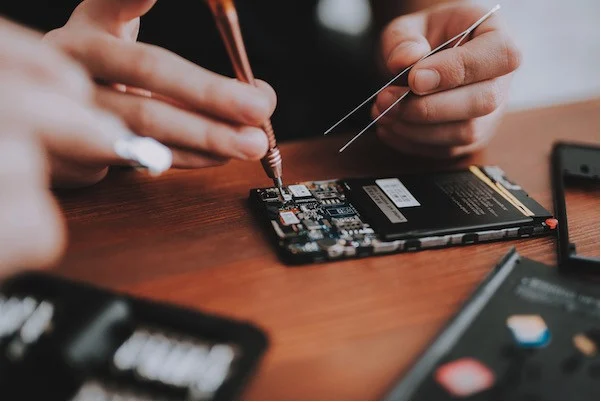
Understanding how successful electronic products are developed can offer valuable insights for engineers, entrepreneurs, and product managers. By examining real-world electronic product design case study examples, teams can learn about the challenges, solutions, and best practices that drive innovation from concept to market. This article explores several notable projects, highlighting the design process, technical hurdles, and lessons learned along the way.
For those interested in the technical evaluation phase, the electronic product design performance testing guide provides a deep dive into testing strategies and standards that complement the case studies discussed here.
Why Analyze Real-World Electronic Design Projects?
Studying practical examples of electronic product development helps demystify the journey from initial idea to finished device. These case studies reveal:
- How teams approach requirements gathering and feasibility analysis
- Common technical and regulatory challenges
- Strategies for prototyping, testing, and iteration
- Lessons about cost, manufacturability, and user experience
By reviewing these stories, both newcomers and experienced professionals gain a clearer understanding of the complexities involved in bringing new electronics to market.
Wearable Health Tracker: From Concept to Commercialization
One of the most instructive electronic product design case study examples involves the development of a wearable health tracker. The project began with a clear goal: create a compact, reliable device to monitor heart rate, steps, and sleep patterns.

Key Design Challenges
- Miniaturization: Fitting sensors, battery, and wireless modules into a small, comfortable form factor.
- Power Management: Extending battery life while maintaining accurate data collection.
- Data Security: Ensuring user information remained private and secure during wireless transmission.
Development Process
The team started with rapid prototyping, using off-the-shelf components to validate sensor accuracy and Bluetooth connectivity. After several iterations, custom PCBs were designed to reduce size and improve reliability. Firmware development focused on optimizing power consumption, while the enclosure was refined using 3D printing for ergonomic testing.
Extensive user trials led to improvements in both software and hardware, resulting in a device that balanced performance, comfort, and battery life. The final product passed regulatory testing for consumer electronics and was successfully launched to market.
Industrial IoT Sensor Node: Robustness and Scalability
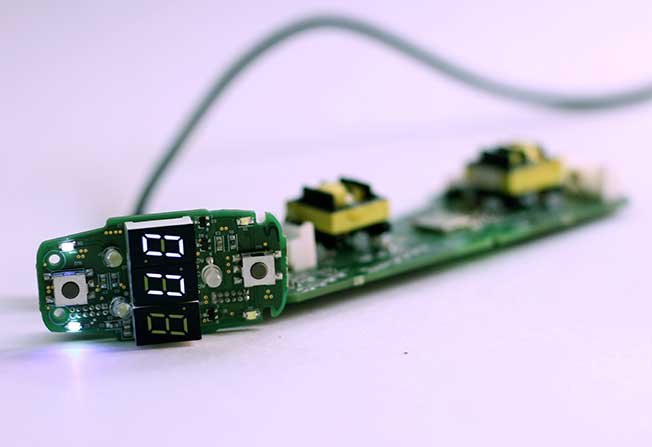
Another compelling example centers on an industrial IoT sensor node designed for harsh environments. This project required a rugged device capable of monitoring temperature, humidity, and vibration in manufacturing facilities.
Design Considerations
- Environmental Resistance: The enclosure needed to withstand dust, moisture, and temperature extremes.
- Long-Term Reliability: Components were selected for durability and low maintenance.
- Network Scalability: The device had to support mesh networking for large-scale deployment.
Engineering Solutions
Engineers chose industrial-grade sensors and designed a sealed enclosure with IP67 rating. Power was supplied by a high-capacity battery with energy harvesting capabilities. The firmware supported over-the-air updates and adaptive networking protocols, allowing for easy integration into existing factory systems.
Field testing revealed issues with wireless interference, which were addressed by optimizing antenna placement and firmware algorithms. The final product demonstrated reliable operation across multiple sites, reducing downtime and maintenance costs for clients.
Smart Home Device: Balancing Features and Usability
Designing a smart home device, such as a connected thermostat, presents a unique set of challenges. This case study highlights the importance of user experience and interoperability in consumer electronics.
Project Highlights
- User Interface: Creating an intuitive touchscreen and companion app for easy control.
- Connectivity: Supporting Wi-Fi, Bluetooth, and integration with popular smart home platforms.
- Energy Efficiency: Optimizing algorithms to reduce household energy consumption.
The design team worked closely with end users to refine the interface and ensure seamless setup. Extensive testing with various home networks and devices helped identify and resolve compatibility issues. The final product received positive feedback for its ease of use and energy-saving features.
Lessons Learned from Electronic Product Design Projects
These electronic product design case study examples reveal several recurring themes:
- Iterative Prototyping: Early and frequent prototyping accelerates problem-solving and reduces costly mistakes later in development.
- User-Centric Design: Gathering feedback from real users leads to better products and higher satisfaction.
- Cross-Disciplinary Collaboration: Success often depends on close cooperation between hardware, software, and manufacturing teams.
- Compliance and Testing: Meeting regulatory standards and conducting thorough testing are essential for market success. For more on this, see the electronic product design performance testing guide.
Additional Resources for Electronic Design Professionals
For those seeking to deepen their understanding of the field, consider exploring:
- electronic product localization considerations for adapting devices to global markets
- electronic product lifecycle cost analysis to optimize long-term profitability
- electronic product design pcb material selection for reliability and performance
- electronic product mechanical integration guide for seamless hardware assembly
Additionally, for a broader perspective on the intersection of design and manufacturing, the article on electronic design and manufacturing best practices offers a comprehensive overview of industry trends and methodologies.
FAQ: Common Questions About Electronic Product Design Projects
What are the most important stages in developing a new electronic product?
The main stages include requirements analysis, feasibility study, prototyping, detailed design (hardware and software), testing and validation, regulatory compliance, and finally, manufacturing and market launch. Each stage requires careful planning and cross-functional collaboration.
How can teams ensure their designs are manufacturable at scale?
Design for manufacturability (DFM) principles should be integrated early in the process. This involves selecting standard components, simplifying assembly, and working closely with manufacturing partners to identify potential bottlenecks or cost drivers. Prototyping and pilot runs help validate the design before full-scale production.
What are common pitfalls in electronic product development?
Frequent issues include underestimating regulatory requirements, neglecting user feedback, overlooking supply chain risks, and inadequate testing. Addressing these challenges through thorough planning, iterative development, and early engagement with stakeholders helps mitigate risks and improve outcomes.
