

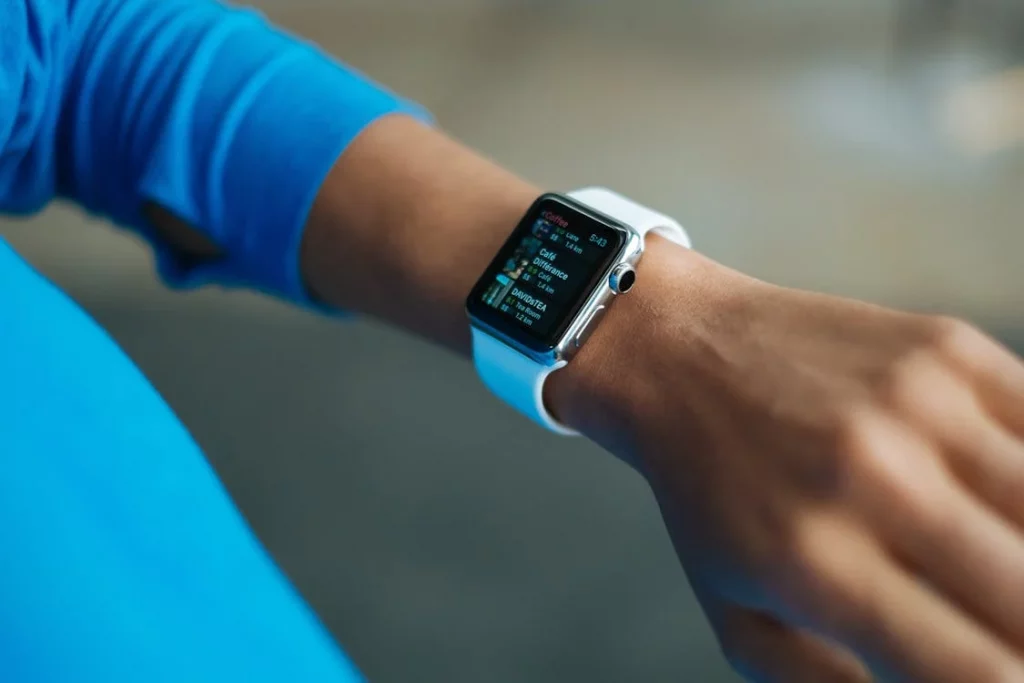
Wireless communication in wearables has become a cornerstone of modern technology, enabling devices like smartwatches, fitness trackers, and health monitors to seamlessly connect with smartphones, computers, and even other wearables. These compact devices rely on sophisticated wireless protocols to transmit data, receive updates, and provide real-time feedback to users. As the demand for smarter, more connected personal gadgets grows, understanding how these wireless systems work is essential for both consumers and developers.
From tracking daily activity to monitoring vital signs, wearable technology leverages wireless connectivity to deliver valuable insights and convenience. The integration of wireless features not only enhances user experience but also opens doors to new applications in healthcare, sports, entertainment, and beyond. For those interested in the technical and regulatory aspects of designing such products, exploring resources like the electronic product design safety standards comparison can provide deeper insight into compliance and safety considerations.
How Wearable Devices Use Wireless Technologies
Wearables depend on a range of wireless protocols to function efficiently. The most common technologies include Bluetooth, Wi-Fi, NFC (Near Field Communication), and increasingly, cellular connectivity. Each protocol offers unique advantages and is chosen based on the device’s intended use, power requirements, and data needs.
- Bluetooth: The most popular protocol for short-range communication, Bluetooth enables wearables to pair with smartphones and other devices. Its low energy variant (Bluetooth Low Energy or BLE) is especially suited for battery-powered gadgets.
- Wi-Fi: Some advanced wearables, such as smartwatches, use Wi-Fi to access the internet directly, allowing for faster data transfer and more complex applications.
- NFC: Used for contactless payments and quick device pairing, NFC is found in many smartwatches and fitness bands.
- Cellular: With the advent of eSIMs and miniaturized antennas, some wearables now support 4G or even 5G connectivity, enabling them to operate independently of smartphones.
Choosing the right wireless technology is crucial for balancing performance, battery life, and user experience. For example, fitness trackers prioritize low power consumption, making BLE the preferred choice, while smartwatches with voice call features may require Wi-Fi or cellular support.

Key Benefits of Wireless Connectivity in Wearable Technology
The integration of wireless features in wearables brings several advantages:
- Seamless Data Sync: Users can automatically sync health, fitness, and activity data with their smartphones or cloud services, ensuring up-to-date records and insights.
- Remote Notifications: Wearables can deliver notifications, messages, and alerts directly to the user’s wrist, reducing the need to check a phone constantly.
- Contactless Payments: With NFC, users can make secure payments or access transit systems without carrying a wallet.
- Real-Time Monitoring: Medical wearables use wireless protocols to transmit vital signs to healthcare providers, enabling timely interventions and remote care.
- Enhanced User Experience: Wireless updates and app installations keep devices current without manual intervention.
These benefits have contributed to the widespread adoption of wearables across various sectors, from consumer electronics to healthcare and enterprise solutions.
Challenges in Implementing Wireless Communication for Wearables
Despite the clear advantages, integrating wireless features into compact, battery-powered devices presents several challenges:
- Power Consumption: Wireless protocols can drain batteries quickly. Designers must optimize hardware and software to extend battery life without sacrificing connectivity.
- Miniaturization: Fitting antennas and wireless modules into small form factors requires innovative engineering and careful material selection.
- Interference: Wearables often operate in environments crowded with wireless signals, leading to potential interference and connectivity issues.
- Security and Privacy: Transmitting sensitive data wirelessly raises concerns about unauthorized access and data breaches. Robust encryption and authentication are essential.
- Regulatory Compliance: Devices must meet global standards for wireless emissions and safety, which can vary significantly by region. For a deeper dive into these requirements, consider reviewing the electronic product design performance testing guide.
Addressing these challenges is vital for ensuring reliable, safe, and user-friendly wearable products.
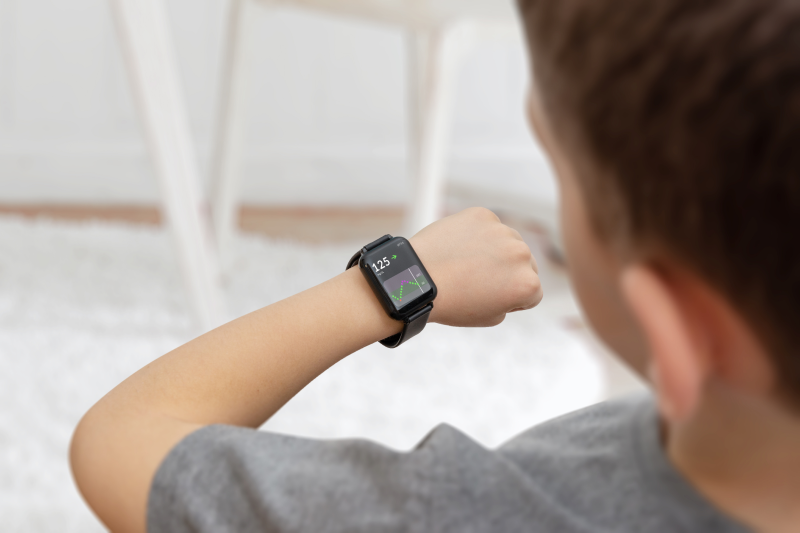
Emerging Trends in Wireless Features for Wearables
The landscape of wireless connectivity in wearables is rapidly evolving. Several trends are shaping the next generation of devices:
- 5G Integration: As 5G networks expand, wearables with direct cellular connectivity will offer faster speeds and lower latency, supporting advanced applications like real-time video streaming and telemedicine.
- Ultra-Wideband (UWB): UWB technology enables precise location tracking and secure device-to-device communication, opening up new possibilities for smart home integration and asset tracking.
- Mesh Networking: Some wearables are adopting mesh networking protocols, allowing multiple devices to communicate and extend coverage without relying on a central hub.
- Energy Harvesting: Innovations in energy harvesting, such as solar or kinetic charging, aim to reduce reliance on traditional batteries, making wireless features more sustainable.
These advancements promise to make wearables even more versatile, reliable, and independent from smartphones and other host devices.
Applications Across Industries
Wireless-enabled wearables are making a significant impact in various fields:
- Healthcare: Devices monitor heart rate, blood oxygen, and glucose levels, transmitting data to healthcare providers for remote diagnostics and care.
- Sports and Fitness: Athletes use wearables to track performance metrics and receive coaching feedback in real time.
- Finance: Smartwatches and bands facilitate secure, contactless payments and banking operations.
- Workplace Safety: Industrial wearables monitor worker health and environmental conditions, improving safety and compliance.
For a comprehensive overview of the broader wearable technology landscape, readers can refer to this detailed guide on wearable technology.
Design and Compliance Considerations
Developers and manufacturers must consider several factors when integrating wireless features into wearables:
- Battery Life Optimization: Selecting low-power wireless protocols and optimizing firmware are crucial for maximizing device longevity.
- Material Selection: The choice of casing and strap materials can affect antenna performance and wireless range.
- Testing and Certification: Devices must undergo rigorous testing to meet regulatory standards for wireless emissions, safety, and interoperability. For more on this process, see the electronic product design documentation workflow.
- Localization: Adapting wireless features for different markets may require hardware or software modifications. Insights on this can be found in the electronic product localization considerations article.
Balancing these considerations ensures that wearables deliver a seamless and compliant user experience across global markets.
Frequently Asked Questions
What is the most common wireless protocol used in wearables?
Bluetooth, particularly Bluetooth Low Energy (BLE), is the most widely used wireless protocol in wearable devices due to its low power consumption and ease of pairing with smartphones and tablets.
How do wearables ensure data security during wireless transmission?
Wearables use encryption, secure authentication methods, and regular firmware updates to protect sensitive data during wireless transmission. Manufacturers also follow industry standards and best practices to minimize security risks.
Can wearables function without a smartphone connection?
Some advanced wearables, especially those with cellular connectivity or Wi-Fi, can operate independently of smartphones. They can make calls, send messages, and access the internet on their own, though many devices still rely on smartphones for setup and app management.
