

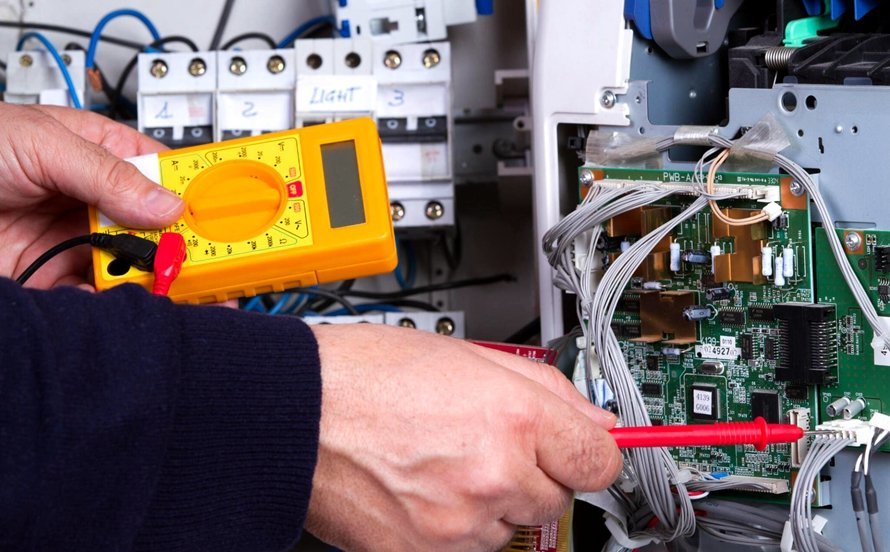
Conformal coating is a protective chemical layer applied to printed circuit boards (PCBs) and other electronic assemblies. Its main purpose is to shield sensitive components from moisture, dust, chemicals, and temperature extremes. Knowing when to use conformal coating is essential for ensuring the reliability and longevity of electronic products, especially in harsh or demanding environments.
In the electronics industry, the decision to apply this protective layer depends on several factors, including the intended application, environmental exposure, and regulatory requirements. This article explores the scenarios where conformal coating is most beneficial, the types of coatings available, and how to determine if your project needs this extra layer of protection.
For a deeper dive into the design and integration of electronic systems, you may find the electronic product design system integration guide helpful as you consider protection strategies for your assemblies.
Key Situations That Require Conformal Coating
The application of a conformal coating is not always mandatory, but there are specific scenarios where it becomes highly recommended or even essential. Understanding these situations helps manufacturers and engineers make informed decisions about product durability and compliance.
- High Humidity or Moisture Exposure: Devices used in humid climates, marine environments, or areas prone to condensation benefit greatly from a conformal coating. The coating acts as a barrier, preventing water ingress that could cause corrosion or short circuits.
- Dusty or Contaminated Settings: Industrial equipment, automotive electronics, and outdoor devices are often exposed to dust, dirt, and airborne contaminants. A conformal layer helps prevent particles from settling on sensitive circuitry.
- Chemical and Salt Spray Environments: Applications near chemical plants, coastal regions, or locations with salt spray require additional protection to avoid chemical attack and corrosion.
- Vibration and Mechanical Stress: In aerospace, automotive, and heavy machinery, vibration can cause solder joints to crack or fail. Some conformal coatings provide a degree of mechanical support, reducing the risk of damage.
- Regulatory and Safety Standards: Certain industries, such as medical devices and aerospace, may require conformal coatings to meet strict reliability and safety standards.

Benefits of Applying a Protective Coating
Using a conformal coating offers several advantages beyond basic protection. Here are some of the most significant benefits:
- Enhanced Reliability: By shielding circuits from environmental hazards, the risk of failure due to corrosion, moisture, or contamination is significantly reduced.
- Extended Product Life: Electronics last longer when protected from harsh conditions, reducing maintenance and replacement costs.
- Improved Electrical Performance: The coating helps prevent arcing and short circuits, especially in high-voltage or densely packed assemblies.
- Compliance with Industry Standards: Many sectors require protective coatings to meet quality and safety benchmarks.
For manufacturers, these benefits can translate into fewer product returns, better customer satisfaction, and a stronger reputation for quality.
Types of Conformal Coatings and Their Applications
There are several types of conformal coatings, each with unique properties suited to different environments and requirements. Choosing the right type is crucial for optimal protection.
| Type | Main Features | Common Uses |
|---|---|---|
| Acrylic (AR) | Easy to apply and remove, good moisture protection | Consumer electronics, general-purpose PCBs |
| Silicone (SR) | Excellent temperature resistance, flexible | Aerospace, automotive, outdoor equipment |
| Polyurethane (UR) | Strong chemical and abrasion resistance | Industrial, military, harsh chemical environments |
| Epoxy (ER) | Very tough, high chemical and moisture resistance | Heavy-duty industrial, marine, oil & gas |
| Parylene (XY) | Ultra-thin, pinhole-free, excellent dielectric properties | Medical devices, high-reliability electronics |
Selecting the appropriate coating depends on the specific threats your electronics will face and the performance requirements of the end product.
How to Decide If Your Electronics Need Conformal Coating
Determining whether to use a protective layer involves evaluating the operating environment, product function, and cost considerations. Here are some practical steps to guide your decision:
- Assess Environmental Risks: Identify potential hazards such as moisture, salt, chemicals, and dust. If your product will be exposed to any of these, a coating is likely beneficial.
- Review Industry Standards: Check if your sector mandates protective coatings for compliance or certification.
- Consider Product Criticality: For mission-critical or safety-related applications, additional protection is often justified.
- Evaluate Cost vs. Benefit: While applying a coating adds to manufacturing costs, it can prevent expensive failures and warranty claims.
If you are developing products for international markets, understanding regional standards and environmental challenges is also important. The electronic product design for global markets resource provides more insight into this aspect.

Common Industries and Applications
The use of conformal coatings is widespread across various industries. Some of the most common applications include:
- Automotive Electronics: Engine control units, sensors, and infotainment systems are exposed to temperature fluctuations, moisture, and vibration.
- Aerospace and Defense: Avionics and military electronics require high reliability under extreme conditions.
- Medical Devices: Life-supporting and diagnostic equipment must be protected from bodily fluids and cleaning agents.
- Industrial Automation: Controllers and sensors in factories face dust, chemicals, and mechanical stress.
- Consumer Electronics: Wearables, smartphones, and outdoor gadgets benefit from added durability.
For more details on electronics manufacturing processes and best practices, the ultimate guide to electronics manufacturing offers a comprehensive overview.
Best Practices for Applying Conformal Coatings
To maximize the benefits of a protective coating, it is important to follow industry best practices:
- Surface Preparation: Ensure all components are clean and free of contaminants before application.
- Choose the Right Application Method: Options include brushing, spraying, dipping, and selective coating. The choice depends on the assembly complexity and production volume.
- Quality Control: Inspect coated assemblies for coverage, thickness, and defects using UV light or other inspection tools.
- Documentation: Maintain records of materials, methods, and inspection results for traceability and compliance.
For a structured approach to documentation, the electronic product design documentation workflow can help streamline your process.
FAQ
What happens if I skip conformal coating in a harsh environment?
Omitting a protective layer in challenging environments can lead to corrosion, electrical shorts, and premature failure of your electronics. This may result in increased maintenance costs, product recalls, or even safety hazards depending on the application.
Can conformal coating be repaired or removed if needed?
Yes, most types of coatings can be repaired or removed, though the ease depends on the material used. Acrylic coatings are generally the easiest to remove, while parylene and epoxy may require specialized processes.
Does every PCB require conformal coating?
No, not all printed circuit boards need this protection. If the device operates in a controlled, clean, and dry environment, the added cost and process may not be necessary. The decision should be based on risk assessment and application requirements.
How do I choose the right type of conformal coating?
Consider the environmental threats, required durability, ease of rework, and industry standards. Consulting with your manufacturing partner and referencing guides such as the electronic product design performance testing guide can help inform your decision.
