


Wearable technology has become a part of daily life for millions, from fitness trackers and smartwatches to medical monitoring devices. These gadgets collect and transmit a wide range of personal information, including health metrics, location data, and even payment credentials. As the adoption of wearables accelerates, understanding wearable data security risks is essential for both consumers and businesses.
While wearables offer convenience and valuable insights, they also introduce new vulnerabilities. Sensitive data stored or transmitted by these devices can be targeted by cybercriminals, potentially leading to privacy breaches, identity theft, or unauthorized access to personal and corporate networks. Recognizing the potential threats and best practices for protection is crucial for anyone using or developing wearable tech.
For those interested in how these devices are integrated into broader electronic systems, the electronic product design system integration guide offers a detailed look at the challenges and solutions in connecting wearables with other technologies.
Understanding the Types of Data at Risk
Wearables collect a diverse array of data, much of which is highly personal. The types of information at stake include:
- Health and biometric data: Heart rate, sleep patterns, blood pressure, glucose levels, and more.
- Location tracking: GPS and movement data, which can reveal daily routines and sensitive locations.
- Personal identifiers: Names, contact details, and sometimes payment information.
- Behavioral insights: Activity logs, exercise habits, and even social interactions.
Because this data is often transmitted wirelessly and stored in the cloud, it is susceptible to interception or unauthorized access if not properly secured.
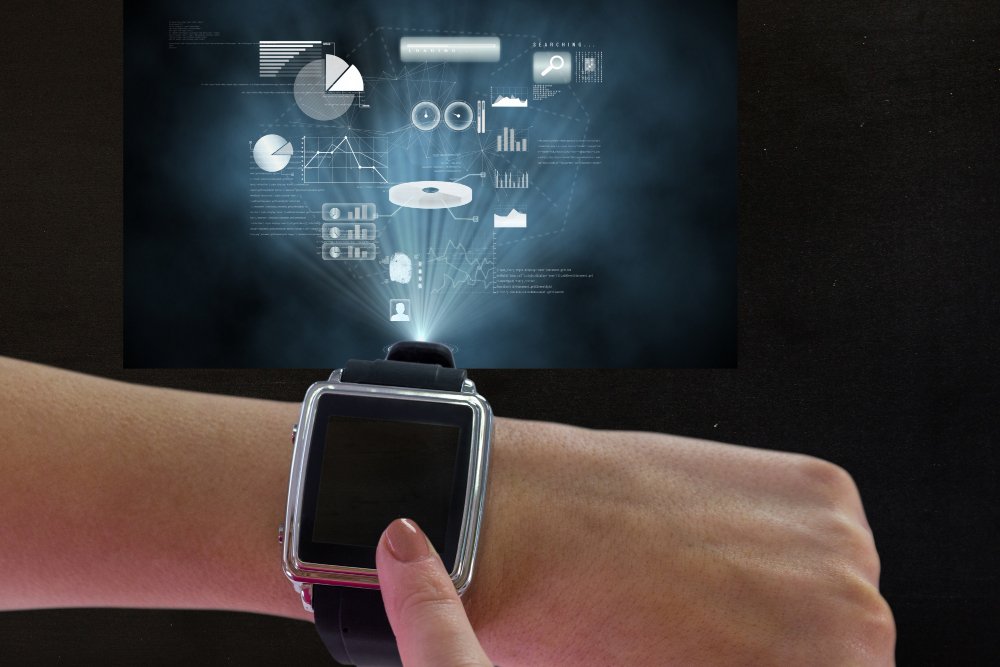
Common Threats Facing Wearable Devices
The rapid growth of wearable technology has outpaced the development of robust security standards. As a result, several threats have emerged:
Unsecured Wireless Communication
Many wearables use Bluetooth or Wi-Fi to sync with smartphones or cloud services. If these connections are not encrypted, attackers can eavesdrop or inject malicious commands. This risk is especially high in public spaces, where open networks are common.
Weak Authentication and Authorization
Some devices rely on simple PINs or lack user authentication altogether. Without strong access controls, unauthorized users can easily gain entry to sensitive data or device functions.
Inadequate Software Updates
Wearables often run on proprietary operating systems that may not receive timely security patches. Outdated firmware can leave devices vulnerable to known exploits.
Data Aggregation and Cloud Vulnerabilities
Collected data is frequently uploaded to cloud platforms for analysis or backup. If these platforms are not properly secured, large volumes of personal information can be exposed in the event of a breach.
Physical Theft or Loss
Because wearables are small and portable, they are easy to lose or steal. If data is stored locally and not encrypted, it can be accessed directly from the device.
How Wearable Data Security Risks Impact Individuals and Organizations
The consequences of poor security in wearables extend beyond individual privacy concerns. For consumers, compromised devices can lead to:
- Exposure of sensitive health or location data
- Identity theft or financial fraud
- Unwanted surveillance or stalking
For organizations, especially those in healthcare or enterprise environments, the stakes are even higher. Data breaches involving wearables can result in regulatory penalties, reputational damage, and loss of customer trust. In some cases, compromised devices may serve as entry points for broader network attacks.

Best Practices for Protecting Wearable Data
Mitigating wearable data security risks requires a combination of technical safeguards and user awareness. Here are some key strategies:
- Enable encryption: Ensure that all data stored on the device and transmitted over networks is encrypted using industry-standard protocols.
- Use strong authentication: Choose devices that support multi-factor authentication or biometric access controls.
- Update firmware regularly: Keep device software up to date to patch vulnerabilities as they are discovered.
- Limit data sharing: Review app permissions and only share necessary information with trusted services.
- Monitor for suspicious activity: Regularly check device logs and account activity for signs of unauthorized access.
- Physically secure devices: Treat wearables like smartphones—keep them secure and enable remote wipe features if available.
Manufacturers also play a vital role by designing devices with security in mind, implementing secure boot processes, and providing ongoing support for software updates.
Regulatory and Industry Responses
As awareness of wearable data security risks grows, regulators and industry groups are developing standards to address these challenges. In many regions, data protection laws such as GDPR and HIPAA impose strict requirements on how personal information is collected, stored, and processed. Compliance with these regulations is essential for companies developing or deploying wearable technology.
Industry alliances are also working to establish best practices for device security, interoperability, and privacy. For example, the development of secure communication protocols and standardized authentication mechanisms helps ensure that wearables can be safely integrated into larger systems.
For a deeper look at how electronic products are tested for safety and performance, see the electronic product design performance testing guide.
Future Trends and Evolving Risks
The landscape of wearable technology is rapidly evolving. New devices are emerging with advanced sensors, AI-driven analytics, and deeper integration with medical and enterprise systems. While these innovations offer significant benefits, they also introduce new attack surfaces and privacy concerns.
Emerging risks include:
- Integration with critical infrastructure: Wearables used in healthcare or industrial settings may be targeted to disrupt operations or steal sensitive data.
- AI and data inference: Advanced analytics can infer sensitive information from seemingly innocuous data, raising new privacy challenges.
- Supply chain vulnerabilities: As devices become more complex, weaknesses in manufacturing or third-party components can be exploited.
Staying informed about these trends and adopting a proactive approach to security will be essential as wearable technology continues to advance. For more on how electronic products are designed with safety in mind, the electronic product design safety standards comparison provides valuable insights.
Additional Resources and Further Reading
To explore the broader context of wearable technology and its integration with clothing and accessories, the article how computers are being woven into clothing and accessories offers an accessible introduction to the field.
For those managing localization or documentation for electronic products, resources like the electronic product localization considerations and electronic product design documentation workflow can help ensure that security and privacy requirements are addressed throughout the product lifecycle.
FAQ: Common Questions About Wearable Data Security
What types of personal information do wearables typically collect?
Wearable devices often gather health metrics (such as heart rate and sleep patterns), location data, activity logs, and sometimes personal identifiers like names or payment credentials. The sensitivity of this information makes robust security essential.
How can I protect my data when using a wearable device?
To safeguard your information, enable encryption, use strong authentication methods, keep device software updated, review app permissions, and physically secure your device. Regularly monitoring your accounts for unusual activity is also recommended.
Are there regulations that protect wearable device data?
Yes, data protection laws such as GDPR in Europe and HIPAA in the United States set strict requirements for handling personal data, especially health-related information. Manufacturers and service providers must comply with these regulations to ensure user privacy and security.
