

The healthcare landscape is rapidly evolving, and one of the most significant advancements in recent years is the rise of remote patient monitoring wearables. These smart devices are transforming how individuals and clinicians track health data, manage chronic conditions, and respond to emerging health issues. By providing continuous, real-time insights into vital signs and daily activity, wearables are bridging the gap between traditional in-person care and the growing demand for accessible, patient-centered solutions.
As these technologies become more sophisticated, understanding how they work, their benefits, and their limitations is essential for patients, caregivers, and healthcare professionals alike. For a deeper dive into the technical side, you may also want to explore how medical wearables work, which covers the underlying mechanisms and sensor technologies behind these devices.
What Are Remote Health Monitoring Devices?
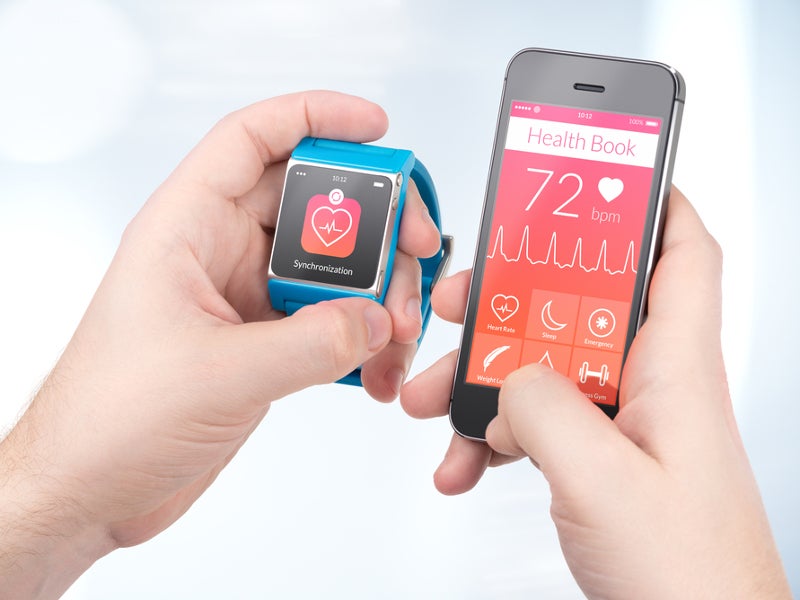
Wearable devices for health tracking are electronic gadgets designed to be worn on the body, such as smartwatches, patches, or fitness bands. Their primary function is to collect physiological data—like heart rate, blood oxygen levels, temperature, and even sleep patterns—and transmit this information securely to healthcare providers or digital platforms. This enables continuous observation of a patient’s health status outside of clinical settings.
Unlike traditional medical equipment, these wearables are lightweight, user-friendly, and often integrate seamlessly with smartphones or cloud-based dashboards. The data collected can be used for routine monitoring, early detection of anomalies, or long-term management of chronic diseases.
Key Features and Capabilities of Modern Health Wearables
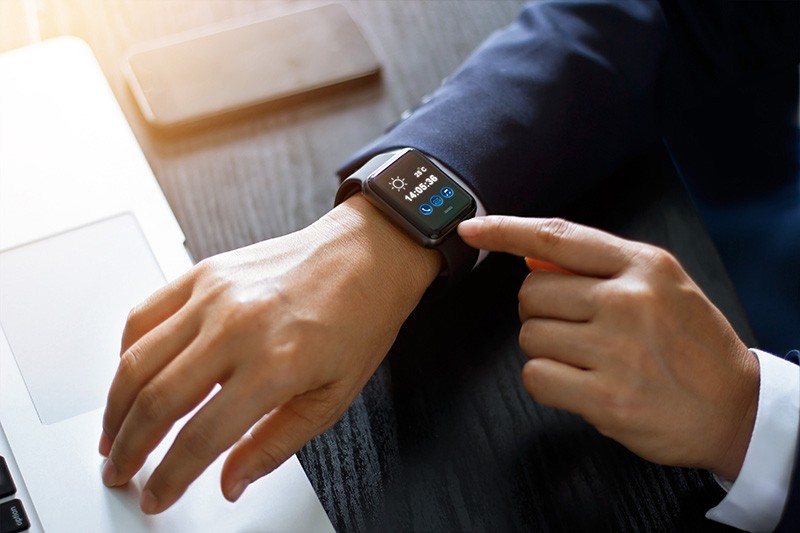
The latest generation of remote patient monitoring wearables comes packed with advanced features that go far beyond simple step counting. Here are some of the most important capabilities:
- Continuous vital sign monitoring: Devices track heart rate, blood pressure, respiratory rate, and oxygen saturation around the clock.
- Activity and movement tracking: Accelerometers and gyroscopes measure steps, distance, calories burned, and even detect falls.
- Sleep analysis: Many wearables can estimate sleep duration, quality, and cycles, helping users and clinicians identify potential sleep disorders.
- ECG and arrhythmia detection: Some advanced models can perform single-lead electrocardiograms and alert users to irregular heart rhythms.
- Remote data transmission: Secure wireless connectivity ensures that patient data is sent in real time to healthcare professionals for timely intervention.
These features not only empower individuals to take charge of their health but also enable proactive care, especially for those managing chronic illnesses such as diabetes, hypertension, or heart disease.
How Remote Monitoring Devices Benefit Patients and Providers
The adoption of wearable health trackers offers a range of benefits for both patients and medical professionals:
- Early detection and intervention: Continuous monitoring helps identify abnormal patterns before they escalate into emergencies, allowing for prompt medical response.
- Improved chronic disease management: Patients with ongoing conditions can track their metrics daily, adjust their routines, and share data with their care teams for personalized treatment plans.
- Reduced hospital visits: By enabling remote care, wearables can decrease the need for frequent in-person appointments, saving time and reducing healthcare costs.
- Enhanced patient engagement: Real-time feedback and goal tracking motivate users to adopt healthier behaviors and adhere to treatment regimens.
- Data-driven decision-making: Clinicians gain access to comprehensive, longitudinal health data, supporting more accurate diagnoses and targeted interventions.
For those interested in the reliability of these devices, the accuracy of medical wearables is a crucial topic, especially as these tools become more integrated into clinical workflows.

Challenges and Considerations in Remote Health Tracking
While the advantages of wearable health monitors are clear, there are also important challenges to consider:
- Data privacy and security: Sensitive health information must be protected against unauthorized access and breaches.
- Device accuracy and reliability: Not all wearables are created equal; some may provide less precise measurements, which could impact clinical decision-making.
- User compliance: The effectiveness of remote monitoring depends on consistent device usage and proper wear by patients.
- Integration with healthcare systems: Seamless data sharing between devices and electronic health records remains a technical hurdle for many organizations.
- Cost and accessibility: High-quality devices may be expensive or not universally available, potentially widening health disparities.
Healthcare providers and patients should carefully evaluate device specifications, data handling policies, and clinical validation before adopting any remote monitoring solution.
Emerging Trends and the Future of Wearable Health Technology
The field of remote patient monitoring wearables is advancing quickly, with several exciting trends on the horizon:
- Artificial intelligence (AI) integration: Machine learning algorithms are being used to analyze large volumes of health data, predict risks, and deliver personalized recommendations. For more on this, see how AI improves wearable devices.
- Predictive analytics: Wearables are starting to leverage predictive models to forecast health events, such as heart attacks or diabetic crises, before they occur. Learn more about this in the context of predictive analytics in wearables.
- Expanded biomarker detection: New sensors are being developed to monitor additional health indicators, including hydration, stress levels, and even blood glucose without finger pricks.
- Greater interoperability: Efforts are underway to standardize data formats and improve compatibility between different devices and healthcare IT systems.
- Consumerization of medical-grade devices: As regulatory standards evolve, more clinically validated wearables are becoming available to the general public.
These innovations are expected to further empower patients, improve outcomes, and make healthcare more proactive and personalized.
How Wearable Technology Works: The Science Behind the Devices
At the core of every health-tracking wearable are various sensors and microprocessors that detect and interpret physiological signals. Common sensor types include photoplethysmography (PPG) for heart rate, accelerometers for movement, and electrodermal sensors for skin conductivity.
The data collected by these sensors is processed locally or transmitted via Bluetooth, Wi-Fi, or cellular networks to secure cloud platforms. From there, healthcare providers can access and analyze the information, often using sophisticated algorithms to identify trends or anomalies. For a detailed breakdown of the underlying technology, see this overview of the science behind wearable technology.
FAQ: Common Questions About Remote Health Monitoring Wearables
What types of health data can wearables monitor?
Most devices can track vital signs such as heart rate, blood pressure, oxygen saturation, respiratory rate, and temperature. Many also measure activity levels, sleep quality, and in some cases, perform ECGs or detect falls.
Are wearable health trackers accurate enough for clinical use?
The accuracy of these devices varies by manufacturer and model. Medical-grade wearables that have undergone clinical validation tend to provide more reliable data. It’s important to review device certifications and consult with healthcare professionals before relying on them for medical decisions.
How is my health data protected when using remote monitoring devices?
Reputable manufacturers implement encryption, secure data transmission, and strict privacy policies to safeguard user information. Always review a device’s privacy policy and ensure it complies with relevant healthcare regulations such as HIPAA or GDPR.
Can wearables replace regular doctor visits?
While these devices can reduce the need for some in-person appointments, they are best used as a supplement to regular medical care. Always consult with your healthcare provider for diagnosis and treatment.
Conclusion
Wearable technology for remote health monitoring is reshaping the way patients and providers interact with health data. By enabling continuous, real-time insights and fostering proactive care, these devices offer significant benefits—while also presenting new challenges around privacy, accuracy, and accessibility. As the technology matures, its role in healthcare is set to expand, making it an essential tool for modern medicine.
