

Industrial electronics manufacturers face increasing pressure to meet stringent international standards. Understanding ISO testing requirements industrial electronics is essential for ensuring product safety, reliability, and market acceptance. These requirements are not only about passing tests—they are about building trust with customers, reducing liability, and opening doors to global markets. This article provides a practical overview of the key ISO standards, testing procedures, and best practices relevant to the electronics sector.
Before delving into the specific standards and testing protocols, it’s important to recognize the role of documentation and laboratory practices. For a deeper look at maintaining accurate records and laboratory compliance, see the quality records ISO electronics testing guide, which covers essential requirements for electronics testing environments.

Understanding ISO Standards for Electronic Equipment
The International Organization for Standardization (ISO) develops globally recognized standards that address quality, safety, and environmental management. For industrial electronics, several ISO standards are particularly relevant:
- ISO 9001 – Focuses on quality management systems, ensuring consistent product quality and customer satisfaction.
- ISO 14001 – Addresses environmental management, helping organizations minimize their environmental impact.
- ISO/IEC 17025 – Specifies the general requirements for the competence of testing and calibration laboratories.
- ISO 45001 – Pertains to occupational health and safety management systems.
For electronics manufacturers, compliance with these standards demonstrates a commitment to quality, safety, and environmental stewardship. It also facilitates access to international markets and reduces the risk of costly product recalls or legal issues.
Key Testing Procedures for Industrial Electronics
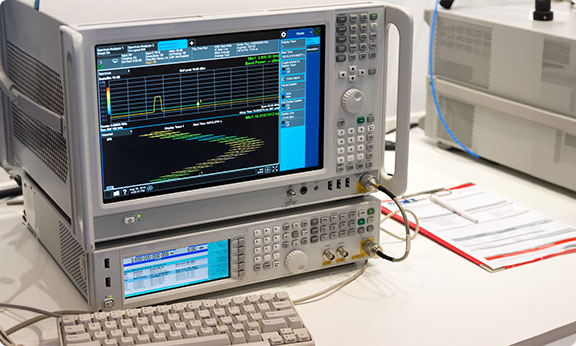
Meeting ISO testing requirements industrial electronics involves a series of rigorous procedures. These tests are designed to verify product safety, performance, and durability under various operating conditions. The main categories include:
Electrical Safety Testing
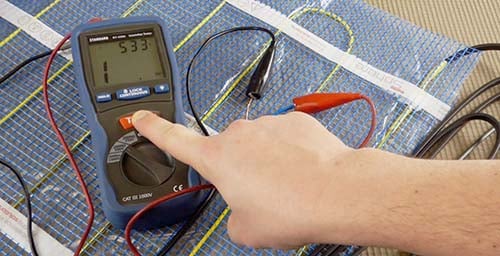
Electrical safety is paramount in industrial environments. Testing typically covers insulation resistance, dielectric strength, ground continuity, and leakage current. These checks ensure that equipment does not pose a shock or fire hazard to users.
Environmental and Climatic Testing
Industrial electronics must withstand harsh operating conditions. ISO standards require testing for temperature extremes, humidity, vibration, and shock. This simulates real-world environments and ensures long-term reliability.
Electromagnetic Compatibility (EMC)
EMC testing verifies that electronic devices do not emit excessive electromagnetic interference (EMI) and are immune to external EMI. This is essential for preventing malfunctions in interconnected industrial systems.
Functional and Performance Testing
ISO standards also mandate functional testing to confirm that devices operate as intended. This may include load testing, response time measurements, and endurance tests.
Documentation and Laboratory Best Practices
Accurate documentation is a cornerstone of ISO compliance. Testing laboratories must maintain detailed records of procedures, results, and calibration data. This not only supports traceability but also facilitates audits and ongoing quality improvement.
For practical advice on laboratory operations, refer to the standard operating procedures ISO labs electronics resource, which outlines best practices for electronics testing labs.
Benefits of Meeting ISO Testing Criteria
Complying with ISO testing requirements industrial electronics offers several advantages:
- Market Access: Many countries and industries require ISO certification for imported electronics.
- Risk Reduction: Thorough testing reduces the likelihood of product failures, recalls, and liability claims.
- Customer Confidence: ISO-compliant products are perceived as safer and more reliable.
- Operational Efficiency: Standardized procedures streamline production and reduce waste.
For a broader perspective on the value of ISO certification in the electronics sector, see this overview of ISO certification for the electronics industry.
Common Challenges in Achieving Compliance
While the benefits are clear, achieving compliance with international standards can be challenging. Manufacturers often face hurdles such as:
- Keeping up with evolving standards and regulatory requirements.
- Investing in advanced testing equipment and laboratory infrastructure.
- Ensuring staff are trained in the latest testing protocols.
- Maintaining comprehensive and accurate documentation.
Addressing these challenges requires a proactive approach, ongoing training, and collaboration with accredited laboratories.
Integrating ISO Testing into Product Development
To streamline compliance, it’s best to integrate testing requirements early in the product development cycle. This includes:
- Identifying applicable ISO standards during the design phase.
- Developing a comprehensive test plan that aligns with regulatory expectations.
- Collaborating with certified laboratories for independent verification.
- Documenting all test results and corrective actions.
For guidance on creating effective test plans, the test plan ISO electronics compliance guide provides actionable steps tailored for laboratory use.
Maintaining Ongoing Compliance and Audit Readiness
ISO compliance is not a one-time event. Regular audits, both internal and external, are necessary to ensure ongoing adherence to standards. Companies should:
- Schedule periodic reviews of testing procedures and documentation.
- Update processes in response to changes in ISO standards.
- Train staff regularly on new requirements and best practices.
- Engage with accredited laboratories for third-party assessments.
For more on preparing for audits and maintaining documentation, the ISO audit documentation electronics testing article offers detailed advice.
FAQ: Industrial Electronics and ISO Testing
What are the most important ISO standards for industrial electronics?
The most critical standards include ISO 9001 for quality management, ISO/IEC 17025 for laboratory competence, ISO 14001 for environmental management, and ISO 45001 for occupational health and safety. Depending on the product and market, additional standards may apply.
How often should industrial electronics be tested for ISO compliance?
Testing frequency depends on product type, usage environment, and regulatory requirements. Typically, initial certification is followed by periodic retesting—often annually or when significant design changes occur.
Can in-house laboratories perform ISO testing, or is third-party certification required?
In-house labs can conduct preliminary tests if they meet ISO/IEC 17025 requirements. However, many markets and clients require third-party certification from accredited laboratories to ensure impartiality and credibility.
What documentation is needed to prove ISO compliance?
Essential documents include test reports, calibration certificates, standard operating procedures, and records of corrective actions. These should be organized and readily available for audits.
How can companies stay updated on changing ISO requirements?
Regularly reviewing ISO publications, participating in industry associations, and maintaining close relationships with accredited testing laboratories can help organizations stay informed about updates and changes.
