


Developing a test plan ISO electronics compliance guide is a fundamental step for laboratories working with electronic devices. Laboratories must ensure that their testing processes align with international standards, especially when products are destined for global markets. Adhering to ISO requirements not only demonstrates a commitment to quality and safety but also streamlines certification, reduces risk, and improves traceability throughout the product lifecycle.
This article provides a practical overview of how to structure and implement a robust compliance roadmap for electronics testing in laboratory environments. It covers essential elements, documentation practices, and actionable tips for meeting ISO standards. For those seeking more detail on related topics, the resource on ISO audit documentation electronics testing offers in-depth guidance on preparing for audits and maintaining proper records.
Understanding ISO Standards for Electronics Testing
International Organization for Standardization (ISO) standards are globally recognized frameworks that define requirements for quality, safety, and environmental responsibility. In the context of electronics, ISO 17025 is particularly relevant for testing laboratories, as it specifies the general competence required to carry out tests and calibrations. Other standards, such as ISO 9001 for quality management and ISO 14001 for environmental management, may also apply depending on the scope of the laboratory’s work.
A well-structured test plan ISO electronics compliance guide ensures that laboratory procedures are consistent, traceable, and auditable. This not only facilitates compliance but also improves the reliability of test results and supports continuous improvement.
Key Elements of a Laboratory Test Plan for ISO Compliance
An effective compliance guide for electronics testing laboratories should include several core components. Each element plays a crucial role in ensuring that testing is performed to the highest standards and that results are defensible in audits or regulatory reviews.
- Scope and Objectives: Clearly define the purpose of the test plan, the types of devices covered, and the standards to be met.
- Test Methods and Procedures: Document all methods, including references to relevant ISO standards, equipment used, and calibration requirements.
- Acceptance Criteria: Specify the pass/fail criteria for each test, referencing applicable standards and customer requirements.
- Documentation and Record-Keeping: Outline how test data, calibration records, and reports will be maintained for traceability and audit purposes.
- Personnel Qualifications: Detail the training and competency requirements for staff involved in testing.
- Quality Control and Assurance: Describe procedures for internal audits, proficiency testing, and corrective actions.
Developing and Documenting Test Procedures
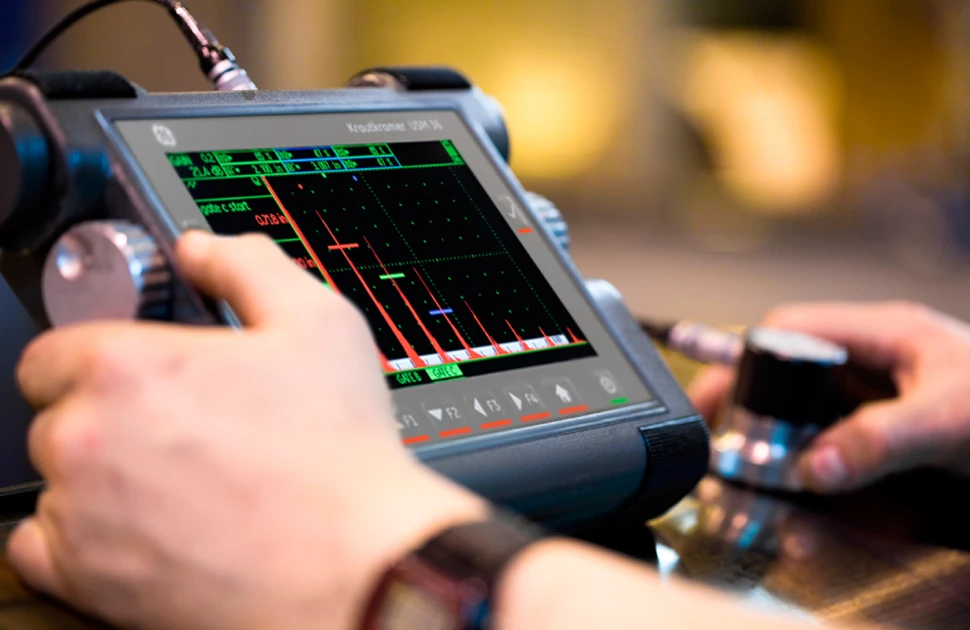
Creating standardized test procedures is a cornerstone of any laboratory compliance strategy. These procedures should be detailed enough to allow for repeatability and reproducibility, regardless of which technician performs the test. Laboratories should reference ISO standards directly in their documentation and ensure that all equipment is properly calibrated and maintained.
For a deeper dive into documentation best practices, the article on ISO testing documentation electronics explained provides practical examples and templates for maintaining comprehensive records.
Calibration and Equipment Management
All instruments used in electronics testing must be calibrated according to manufacturer specifications and ISO requirements. Calibration records should be updated regularly and stored securely. This ensures that test results are accurate and defensible in the event of an audit or customer inquiry.
Personnel Training and Competence
ISO standards require that laboratory personnel are competent and adequately trained. This includes initial training, ongoing education, and periodic assessments to verify skills. Training records should be maintained as part of the laboratory’s quality management system.
Maintaining Traceability and Test Reports
Traceability is a key requirement in ISO-compliant laboratories. Every test result should be linked to a specific device, test method, operator, and calibration event. This level of detail is essential for both internal quality assurance and external audits.
Comprehensive test reports are another critical deliverable. These reports should include all relevant data, observations, and conclusions, along with references to the specific standards applied. For more information on reporting, see the guide on test reports ISO electronics requirements.
Best Practices for Implementing a Compliance Guide
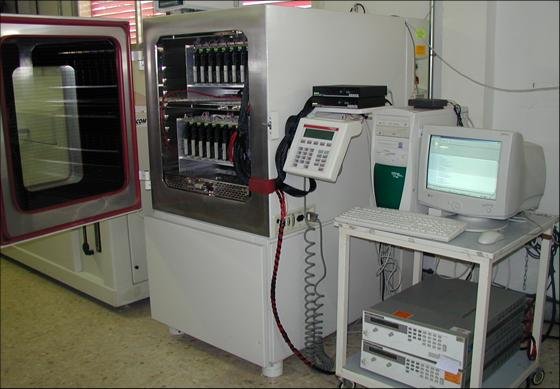
To ensure ongoing compliance and continuous improvement, laboratories should adopt several best practices:
- Regularly review and update test plans to reflect changes in standards or technology.
- Conduct internal audits to identify gaps and implement corrective actions promptly.
- Engage in proficiency testing or inter-laboratory comparisons to benchmark performance.
- Maintain open communication with customers and regulatory bodies regarding compliance requirements.
- Utilize digital tools for document control, data management, and traceability.
For laboratories seeking to enhance their environmental management practices, understanding the value of ISO 14001 experience in electronics manufacturing can provide additional insights into sustainable operations and compliance.
Integrating Standard Operating Procedures and Audit Readiness
Standard operating procedures (SOPs) are the backbone of any laboratory’s quality system. SOPs should be clear, accessible, and regularly reviewed to ensure alignment with current ISO standards. For more on this topic, the article on standard operating procedures ISO labs electronics offers practical advice for SOP development and implementation.
Audit readiness is another critical aspect of compliance. Laboratories should maintain up-to-date documentation, conduct mock audits, and ensure that all staff are familiar with audit protocols. This proactive approach minimizes disruptions and demonstrates a commitment to quality and transparency.
Ensuring Traceability Throughout the Testing Process
Traceability is not only about linking test results to devices and methods but also about tracking materials, personnel, and environmental conditions. A robust traceability system supports root cause analysis, facilitates recalls if necessary, and strengthens customer confidence. For a comprehensive overview, the traceability ISO electronics testing guide provides actionable steps for laboratories.
FAQ
What is the purpose of a test plan in ISO-compliant electronics laboratories?
A test plan provides a structured approach to testing, ensuring that all procedures meet ISO standards and customer requirements. It defines the scope, methods, acceptance criteria, and documentation practices necessary for reliable and repeatable results.
How often should laboratory test plans and procedures be reviewed?
Test plans and procedures should be reviewed at least annually or whenever there are changes to relevant standards, equipment, or customer requirements. Regular reviews help maintain compliance and incorporate best practices.
Why is traceability important in electronics testing?
Traceability ensures that every test result can be linked to specific devices, methods, and personnel. This is essential for quality assurance, regulatory compliance, and effective root cause analysis in the event of failures or recalls.
