

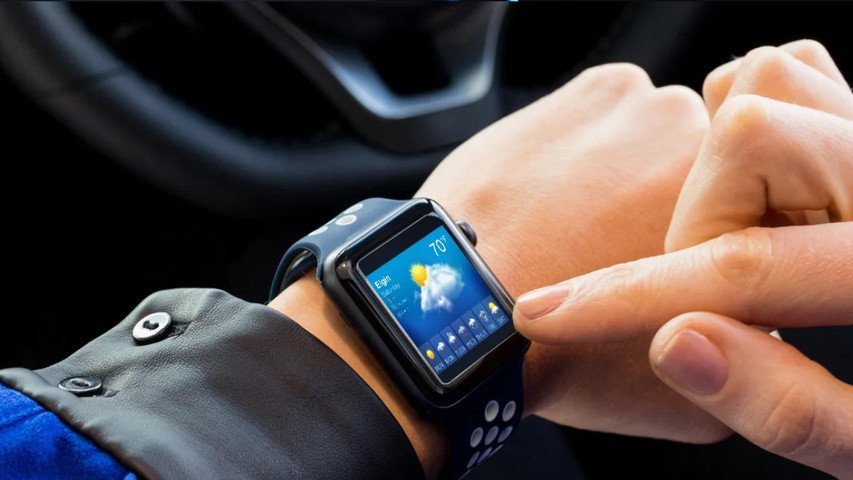
Wearable technology has rapidly evolved from simple fitness trackers to advanced devices capable of monitoring health, facilitating communication, and even supporting workplace productivity. What makes these gadgets so powerful is their ability to interact with larger networks, transforming isolated data points into actionable insights. Understanding how wearables connect to IoT is crucial for anyone interested in the future of personal technology, healthcare, and smart environments.
The integration of wearables with the Internet of Things (IoT) enables seamless data exchange, real-time monitoring, and intelligent automation. This article explores the underlying technologies, connection methods, and the broader impact of wearable-IoT integration. For those involved in product development, an electronic product design system integration guide can provide further insights into building interconnected solutions.
Understanding the Relationship Between Wearables and IoT
Wearables are electronic devices designed to be worn on the body, such as smartwatches, fitness bands, smart glasses, and health monitors. These devices collect data from sensors and communicate with other systems, often as part of a broader IoT ecosystem. The IoT refers to a network of physical objects embedded with sensors, software, and connectivity, enabling them to exchange data with other devices and platforms over the internet.
By linking wearables to IoT platforms, users and organizations can gain access to real-time analytics, remote monitoring, and enhanced automation. For example, a fitness tracker can send heart rate data to a smartphone, which then uploads the information to a cloud-based health management system. This interconnectedness is at the core of modern smart health, home automation, and industrial applications.
Key Technologies Enabling Wearable-IoT Integration
Several technologies work together to facilitate connections between wearables and IoT systems. These include wireless communication protocols, embedded sensors, cloud computing, and data processing platforms.
- Bluetooth Low Energy (BLE): BLE is the most common protocol for short-range communication between wearables and smartphones or hubs. It offers low power consumption, making it ideal for battery-powered devices.
- Wi-Fi: Some advanced wearables use Wi-Fi to connect directly to the internet or local networks, enabling faster data transfer and broader connectivity.
- NFC (Near Field Communication): NFC allows for quick, secure data exchanges over very short distances, useful for payments or authentication.
- Cellular Connectivity: Devices with built-in SIM cards can connect to IoT platforms without relying on a smartphone or local network, supporting use cases like remote health monitoring.
- Cloud Integration: Data collected by wearables is often sent to cloud platforms for storage, processing, and analysis, enabling access from multiple devices and locations.
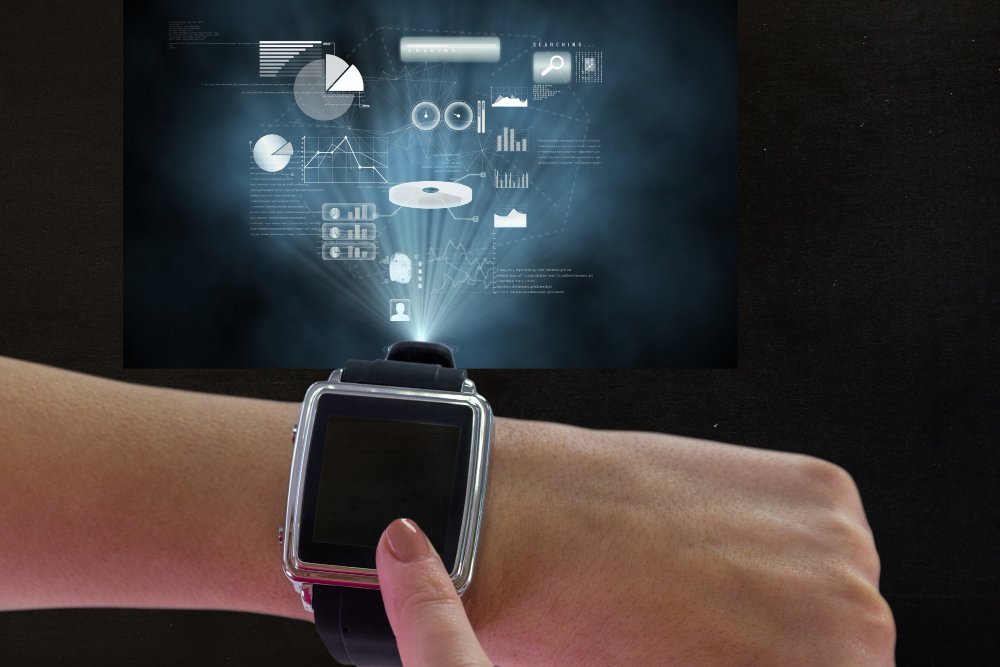
How Wearables Communicate with IoT Platforms
The process of connecting wearables to IoT systems typically involves several steps:
- Data Collection: Sensors in the wearable device gather information such as movement, temperature, heart rate, or environmental conditions.
- Local Processing: Some data is processed on the device itself to reduce transmission needs and save power.
- Transmission to a Gateway: The wearable sends data via Bluetooth, Wi-Fi, or cellular to a gateway device (like a smartphone or dedicated hub).
- Cloud Upload: The gateway uploads the data to a cloud platform, where it is stored, analyzed, and made accessible to authorized users or applications.
- Feedback and Automation: Based on the processed data, the IoT system can trigger actions, send notifications, or adjust connected devices automatically.
For a deeper dive into the technical aspects of integrating devices into larger systems, resources like the electronic product design documentation workflow can be valuable.
Applications of Wearable-IoT Integration
The ability of wearables to connect with IoT networks has led to a wide range of practical applications:
- Healthcare: Continuous monitoring of vital signs, remote patient management, and real-time alerts for medical emergencies.
- Fitness and Wellness: Tracking activity, sleep, and biometrics, with personalized recommendations delivered through connected apps.
- Workplace Safety: Monitoring worker health and environmental conditions in hazardous environments, with automated alerts for dangerous situations.
- Smart Homes: Wearables can trigger home automation routines, such as adjusting lighting or temperature based on user presence or activity.
- Authentication and Payments: Secure access to buildings or systems and contactless payments using wearable devices.

Security and Privacy Considerations
While the integration of wearables with IoT brings many benefits, it also raises important security and privacy concerns. Sensitive personal data, such as health metrics or location information, must be protected from unauthorized access and breaches.
- Data Encryption: Secure transmission protocols and encrypted storage are essential for protecting user data.
- Authentication: Strong authentication methods help ensure that only authorized users can access wearable devices and associated data.
- User Consent: Transparent privacy policies and user controls are necessary to build trust and comply with regulations.
- Regular Updates: Keeping device firmware and software up to date helps address vulnerabilities and emerging threats.
For a broader perspective on how electronic products are tested for performance and safety, the electronic product design performance testing guide offers additional context.
Challenges in Connecting Wearables to IoT Networks
Despite the advantages, there are several challenges to achieving seamless integration:
- Interoperability: Different manufacturers may use proprietary protocols, making it difficult for devices to communicate across platforms.
- Battery Life: Continuous connectivity and data transmission can drain batteries quickly, requiring efficient power management.
- Bandwidth Limitations: Large volumes of sensor data can strain network resources, especially in environments with many connected devices.
- Scalability: As the number of wearables grows, IoT systems must be able to handle increased data loads and device management.
Ongoing research and industry collaboration are addressing these issues, leading to more robust and user-friendly solutions.
Future Trends in Wearable and IoT Integration
The future of wearable-IoT connectivity is promising, with several trends shaping the landscape:
- Edge Computing: Processing data closer to the source (on the device or gateway) reduces latency and bandwidth usage.
- AI and Machine Learning: Intelligent algorithms can analyze wearable data in real time, enabling predictive analytics and personalized experiences.
- Expanded Use Cases: Beyond health and fitness, wearables are finding roles in logistics, retail, and smart cities.
- Improved Standards: Industry-wide standards are emerging to enhance interoperability and security.
For those interested in the evolution of wearable technology and its integration with clothing, this overview of computer clothing and wearable tech provides additional background.
FAQ
What are the main benefits of connecting wearables to IoT systems?
Linking wearables with IoT platforms enables real-time data sharing, personalized insights, and automation. This integration supports better health monitoring, smarter home environments, and more efficient workflows in various industries.
How do wearables communicate with other devices in an IoT network?
Wearables typically use wireless protocols like Bluetooth Low Energy, Wi-Fi, or cellular networks to transmit data to smartphones, hubs, or directly to the cloud. These connections allow for seamless data exchange and integration with larger IoT platforms.
What security measures are important for wearable-IoT integration?
Key security practices include using encrypted data transmission, strong authentication, regular software updates, and clear privacy policies. These measures help protect sensitive personal information and maintain user trust.
