

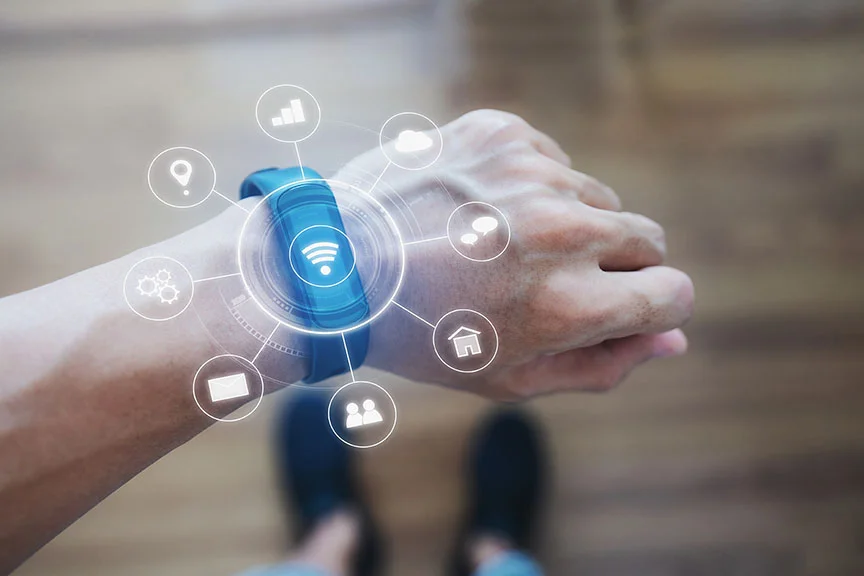
Wearable technology has rapidly evolved from simple fitness trackers to advanced medical monitors and smartwatches. For innovators and businesses, understanding how to develop a wearable device is crucial for entering this dynamic market. Creating a successful product involves more than just assembling hardware—careful planning, user-focused design, and rigorous testing are essential at every stage.
This guide breaks down the process into clear, actionable steps, covering everything from concept validation to prototyping, integration, and compliance. Whether you’re a startup or an established company, following a structured approach can help you avoid costly mistakes and deliver a product that meets both user needs and regulatory standards.
For those seeking a deeper understanding of how different electronic systems work together in product development, the electronic product design system integration guide provides valuable insights into integrating hardware and software for complex devices.
Defining the Purpose and Target Audience
The first step in creating any wearable is to clearly define its purpose. Will your device monitor health metrics, provide notifications, or enable contactless payments? Identifying the core function helps guide every subsequent decision. Consider the following:
- User Needs: What problem does your wearable solve?
- Target Demographic: Who will use it—athletes, patients, children, or the general public?
- Environment: Will it be worn indoors, outdoors, or in challenging conditions?
Conducting market research and analyzing competitors can reveal gaps in the market and help refine your concept. Reviewing resources like this overview of wearable technology can provide context on current trends and user expectations.
Planning the Features and Specifications
Once the purpose is clear, outline the essential features. Consider both hardware and software requirements:
- Sensors: Heart rate, accelerometer, GPS, temperature, SpO2, etc.
- Connectivity: Bluetooth, Wi-Fi, NFC, or cellular capabilities
- Display: Touchscreen, LED indicators, or haptic feedback
- Battery Life: How long should the device operate between charges?
- Form Factor: Wristband, clip-on, patch, or eyewear
- Software: Mobile app integration, cloud connectivity, firmware updates
Prioritize features that align with your target users’ needs. Avoid feature creep by focusing on what delivers the most value.
Designing the Hardware Architecture
Hardware design is a critical phase in the journey to build a wearable. Key considerations include:
- Component Selection: Choose low-power microcontrollers, efficient sensors, and compact batteries to maximize comfort and usability.
- PCB Layout: Optimize for size, flexibility, and durability, especially for devices worn on the body.
- Enclosure Design: Select materials that are lightweight, hypoallergenic, and resistant to sweat or water.
- Power Management: Implement sleep modes and efficient charging solutions to extend battery life.

Collaboration between electrical, mechanical, and industrial designers is vital to ensure the device is both functional and comfortable for daily wear.
Developing the Software Ecosystem
Wearables rely on robust software for data processing, user interaction, and connectivity. The software stack typically includes:
- Firmware: Controls device operations, sensor readings, and power management.
- Mobile Applications: Enables users to view data, configure settings, and receive notifications.
- Cloud Integration: Stores and analyzes user data, supports remote updates, and enables advanced analytics.
- Security: Protects user data through encryption, secure authentication, and regular updates.
Early prototyping of both firmware and mobile apps allows for rapid feedback and iterative improvements. For best results, ensure seamless communication between the device and companion apps.
Prototyping and Iterative Testing
Building a prototype is essential for validating your design and identifying issues early. The prototyping phase typically involves:
- Assembling development boards and off-the-shelf components
- Testing sensor accuracy and device responsiveness
- Evaluating battery life and charging mechanisms
- Gathering user feedback on comfort and usability
Iterate quickly, making adjustments based on test results. Document each change thoroughly to streamline future development. For guidance on managing documentation, refer to the electronic product design documentation workflow.
Ensuring Compliance and Safety
Wearables must meet regulatory standards for safety, electromagnetic compatibility, and wireless communication. Key steps include:
- Identifying applicable certifications (e.g., CE, FCC, RoHS, medical device regulations)
- Testing for electrical safety, radiation, and biocompatibility
- Preparing technical documentation for regulatory submissions
Compliance is not just a legal requirement—it also builds trust with users and partners. For a detailed comparison of relevant standards, explore the electronic product design safety standards comparison.
Manufacturing and Scaling Up
After successful prototyping and compliance testing, move to mass production. Considerations at this stage include:
- Supplier Selection: Choose manufacturers with experience in miniaturized electronics and wearables.
- Quality Assurance: Implement rigorous testing at every stage of assembly.
- Packaging: Design packaging that protects the device and communicates value to consumers.
- Localization: Adapt the product for different regions, languages, and regulatory environments. The electronic product localization considerations article offers practical tips for global launches.

Establishing a feedback loop with manufacturing partners helps maintain quality and resolve issues quickly as you scale.
Performance Testing and Post-Launch Support
Before and after launch, rigorous performance testing ensures reliability and user satisfaction. Focus on:
- Battery endurance and charging cycles
- Sensor accuracy under real-world conditions
- Connectivity stability and data integrity
- Software updates and security patches
Continuous improvement is key. Collect user feedback and monitor analytics to identify areas for enhancement. For structured approaches to testing, the electronic product design performance testing guide is a helpful resource.
Frequently Asked Questions
What are the main challenges in creating a wearable device?
Major challenges include balancing compact design with battery life, ensuring reliable wireless connectivity, achieving regulatory compliance, and providing a user-friendly experience. Addressing these issues early in the process can prevent costly redesigns.
How long does it typically take to bring a wearable to market?
The timeline varies depending on complexity, but most projects take 12–24 months from concept to launch. This includes design, prototyping, testing, compliance, and manufacturing.
Do I need to consider data privacy when developing wearables?
Yes, data privacy is critical. Wearables often collect sensitive health or location data, so implementing strong security measures and complying with regulations like GDPR or HIPAA is essential to protect users and build trust.
Conclusion
Bringing a wearable product to life requires a multidisciplinary approach, from defining the concept and designing robust hardware to developing secure software and ensuring compliance. By following a structured process and leveraging expert resources, you can navigate the complexities of this field and deliver innovative solutions that meet real user needs.
