

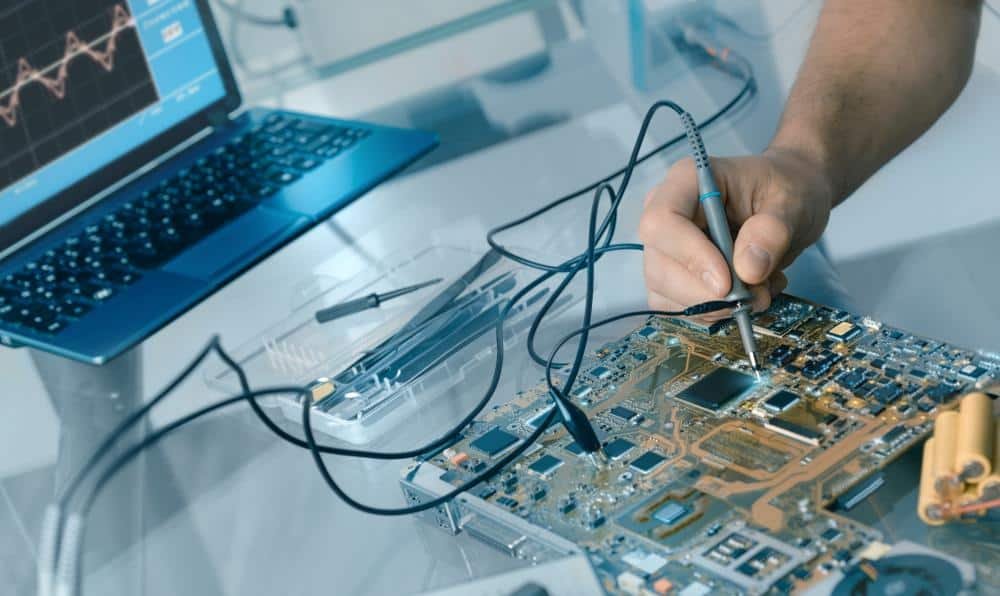
Bringing a new electronic device to market is a complex process that requires specialized expertise, careful planning, and a deep understanding of both technology and user needs. Electronic product design services provide the technical know-how and structured approach needed to turn an idea into a functional, manufacturable product. Whether you are a startup or an established company, understanding how electronic product design services work can help you navigate the development process, avoid common pitfalls, and achieve a successful product launch.
In this guide, we’ll break down the typical workflow, key stages, and best practices for collaborating with a design partner. We’ll also highlight important considerations such as safety standards, documentation, and performance testing. For a deeper dive into regulatory aspects, you can explore our electronic product design safety standards comparison article.
Understanding the Electronic Product Development Lifecycle
The journey from concept to finished product involves several distinct phases. Each stage requires different skills and deliverables, and the process is often iterative, with feedback loops to refine the design. Here’s an overview of the typical lifecycle:
- Conceptualization and Feasibility: Defining the product vision, target market, and technical requirements.
- System Architecture and Design: Creating block diagrams, selecting components, and outlining the overall system structure.
- Prototyping and Validation: Building functional prototypes to test key features and validate design assumptions.
- Detailed Engineering: Developing schematics, PCB layouts, firmware, and mechanical enclosures.
- Testing and Certification: Ensuring compliance with safety, EMC, and regulatory standards.
- Manufacturing Support: Preparing documentation, sourcing parts, and supporting pilot production runs.
Each of these stages is critical for minimizing risk, controlling costs, and ensuring the final product meets user expectations and industry requirements.

Key Steps in the Service Workflow
Let’s look more closely at the main steps involved in professional electronic product design services and what you can expect at each stage.
Requirements Gathering and Specification
The process begins with a thorough discussion of your product idea, business goals, and user needs. Design teams will help you clarify:
- Target users and use cases
- Core features and functions
- Performance, size, and power requirements
- Budget and timeline constraints
- Regulatory and environmental considerations
This phase results in a detailed product requirements document (PRD) that serves as the foundation for all future work.
Concept Development and Feasibility Analysis
With requirements in hand, engineers explore possible technical solutions. This may involve:
- Evaluating different architectures and technologies
- Assessing risks and identifying critical components
- Estimating costs and development time
Feasibility studies help determine if the project is viable and highlight any major challenges early on.
System Design and Prototyping
Once a concept is chosen, the team creates initial designs and prototypes. This includes:
- Block diagrams and system architecture
- Selection of microcontrollers, sensors, and other key parts
- Rapid prototyping using development boards or 3D-printed enclosures
Prototypes are tested to verify functionality and gather user feedback. Iterative refinement at this stage helps catch issues before moving to detailed engineering.
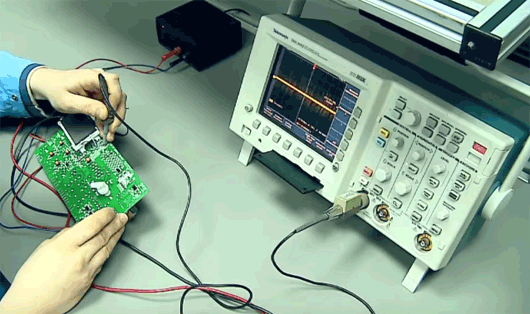
Detailed Engineering and Design Documentation
With a validated prototype, the focus shifts to creating production-ready designs. This involves:
- Developing detailed schematics and PCB layouts
- Writing firmware and embedded software
- Designing mechanical parts and enclosures
- Preparing bills of materials (BOMs) and assembly instructions
Comprehensive documentation is essential for manufacturing, troubleshooting, and future updates. For more on this topic, see our electronic product design documentation workflow guide.
Testing, Compliance, and Manufacturing Support
Performance Testing and Validation
Before mass production, products undergo rigorous testing to ensure they meet specifications and perform reliably. This includes:
- Functional and stress testing
- Environmental and durability tests
- EMC (electromagnetic compatibility) and safety assessments
Testing helps identify design flaws and ensures the product will perform as expected in real-world conditions. For a practical overview, check our electronic product design performance testing guide.
Regulatory Certification and Global Market Considerations
Products must comply with relevant regulations (such as CE, FCC, or UL) before they can be sold. Design services assist with:
- Preparing documentation for certification bodies
- Coordinating third-party testing
- Adapting designs for different international markets
Expanding globally may require additional localization. Learn more in our electronic product design for global markets article and electronic product localization considerations resource.
Transition to Manufacturing
Once certified, the design is transferred to manufacturing. Support at this stage includes:
- Finalizing production files and test procedures
- Assisting with supplier selection and sourcing
- Overseeing pilot runs and resolving early production issues
Effective collaboration between design and manufacturing teams is crucial for a smooth product launch and cost control.
Choosing the Right Design Partner
Not all service providers are the same. When selecting a partner, consider their track record, technical expertise, and ability to communicate clearly. Look for teams that:
- Have experience with similar products or industries
- Offer end-to-end support, from concept to production
- Understand regulatory and market requirements
- Provide transparent timelines and cost estimates
For a more detailed explanation of what goes into these services, you can refer to this comprehensive overview of electronic product design.
Frequently Asked Questions
What is included in a typical electronic product design service?
Most services cover the full development cycle: requirements gathering, feasibility analysis, system design, prototyping, detailed engineering, testing, regulatory certification, and manufacturing support. Some firms also offer post-launch support and product updates.
How long does it take to develop a new electronic product?
Timelines vary depending on complexity, but most projects take several months to over a year. Early planning, clear requirements, and experienced partners can help speed up the process and reduce costly delays.
Why is documentation so important in electronic product design?
Thorough documentation ensures that designs can be manufactured, tested, and maintained correctly. It also supports regulatory compliance and makes future updates or troubleshooting much easier.
How do I ensure my product meets safety and regulatory standards?
Work with design teams familiar with relevant standards for your target market. Early planning for compliance, regular testing, and collaboration with certification bodies are all essential steps.
Conclusion
Understanding how electronic product design services work is essential for anyone looking to develop and launch innovative devices. By following a structured process, collaborating with experienced partners, and prioritizing testing and compliance, you can bring high-quality products to market efficiently and confidently. Whether you’re refining an existing idea or starting from scratch, leveraging professional design services can make the difference between a successful launch and costly setbacks.
