

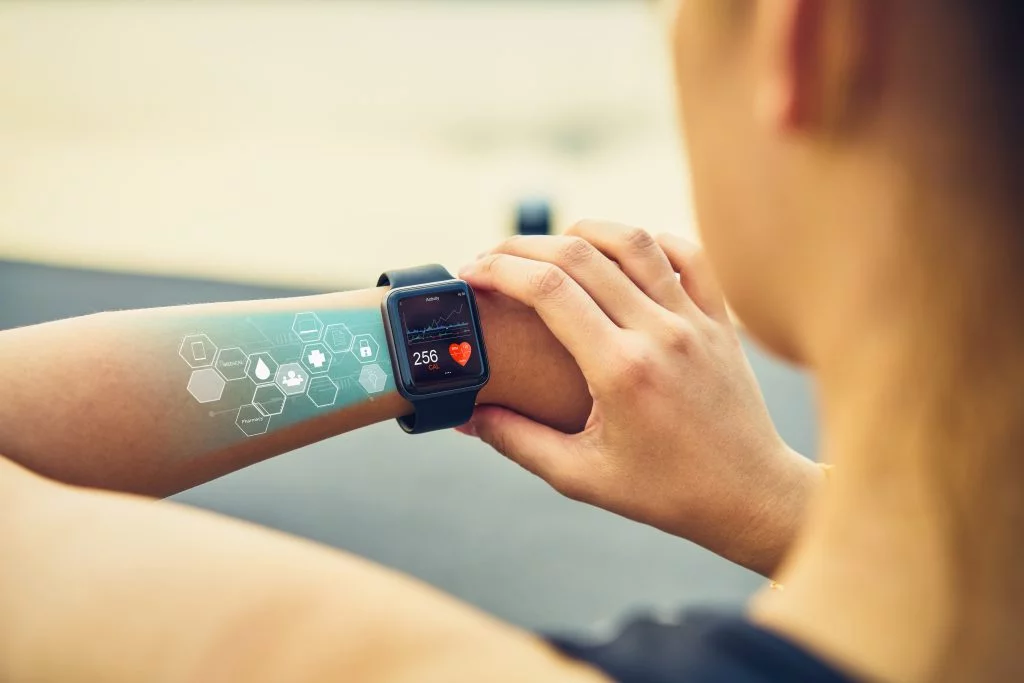
In recent years, wearable technology has transformed how people approach health and wellness. Devices like smartwatches and fitness trackers are now a common sight, offering users a convenient way to monitor their activity, track progress, and stay motivated. Understanding the features and benefits of fitness wearables can help you make informed decisions about integrating these tools into your daily routine.
This guide covers the essential functions of modern fitness gadgets, the advantages they offer, and how they fit into broader trends in health technology. For those interested in related innovations, you may also want to explore how medical wearables work for a deeper dive into the science behind these devices.
Understanding the Technology Behind Fitness Trackers
At their core, fitness wearables use a combination of sensors and software to collect data about your body and activities. Common sensors include accelerometers (to detect movement), heart rate monitors, GPS modules, and sometimes even blood oxygen or temperature sensors. This data is processed in real time and displayed on the device or synced to a companion app for further analysis.
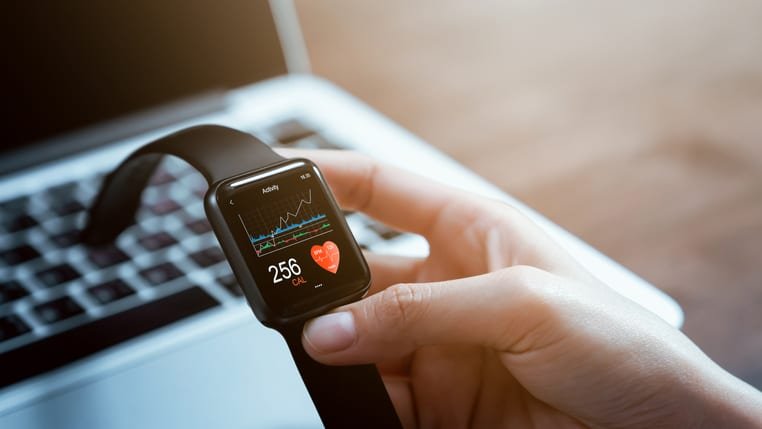
The sophistication of these devices has grown rapidly. Early models focused mainly on step counting, but today’s wearables offer a wide range of measurements, including sleep tracking, stress levels, and even ECG readings. The integration of artificial intelligence has further enhanced their capabilities, as discussed in resources like how AI improves wearable devices.
Key Features of Modern Fitness Wearables
When evaluating wearable fitness devices, it’s important to consider the specific features that align with your health goals. Here are some of the most common and valuable functions:
- Activity Tracking: Most devices monitor steps, distance, calories burned, and active minutes. This helps users set and achieve daily movement goals.
- Heart Rate Monitoring: Continuous heart rate tracking provides insight into cardiovascular health and workout intensity.
- Sleep Analysis: Advanced wearables assess sleep duration and quality, offering tips to improve rest and recovery.
- GPS and Location Tracking: Built-in GPS allows for accurate mapping of runs, walks, or bike rides without needing a phone.
- Health Metrics: Some models measure blood oxygen saturation, skin temperature, or even detect irregular heart rhythms.
- Smart Notifications: Integration with smartphones enables users to receive calls, texts, and app alerts directly on their wrist.
- Water Resistance: Many devices are designed for swimming or showering, making them suitable for a variety of activities.
- Customizable Workouts: Guided workouts, coaching, and goal setting features help users stay motivated and track progress.
Benefits of Using Fitness Wearable Devices
The advantages of adopting wearable technology for fitness go beyond simple step counting. Here are some of the main benefits users experience:
- Motivation and Accountability: Real-time feedback and daily goals encourage users to stay active and consistent.
- Personalized Insights: Data-driven recommendations help individuals tailor their routines for better results.
- Early Detection of Health Issues: Continuous monitoring can alert users to abnormal patterns, prompting early medical consultation.
- Convenience: Having health and activity information on your wrist reduces the need for manual tracking or carrying extra devices.
- Community and Social Features: Many platforms offer challenges, leaderboards, and the ability to connect with friends for added motivation.
Choosing the Right Fitness Tracker for Your Needs
With so many options available, selecting the best wearable comes down to your personal goals and preferences. Consider the following factors:
- Compatibility: Ensure the device works with your smartphone’s operating system and preferred apps.
- Battery Life: Some trackers last days on a single charge, while others require more frequent charging.
- Design and Comfort: Look for a style and fit that you’ll be comfortable wearing all day.
- Budget: Prices vary widely, so prioritize features that matter most to you.
- Accuracy: While most devices are reliable, some offer more precise measurements. For more on this, see accuracy of medical wearables.
How Fitness Wearables Are Shaping Healthy Lifestyles
The impact of wearable fitness technology extends beyond individual users. These devices are influencing how communities, healthcare providers, and even employers approach wellness. For example, some insurance companies offer incentives for meeting activity goals, and corporate wellness programs often incorporate fitness trackers to encourage healthy habits.
The data collected by wearables is also valuable for medical research and public health initiatives. As more people use these devices, the potential for large-scale health insights grows. If you’re interested in broader lifestyle changes, you might also find inspiration in self-sufficient homestead ideas or green living off-grid practices.
For a deeper understanding of how wearable technology is influencing society, the article how wearable technology is changing our life provides additional context and examples.
Common Questions About Fitness Wearables
Are fitness trackers accurate for monitoring health metrics?
Most modern devices provide reasonably accurate data for steps, heart rate, and sleep. However, accuracy can vary between brands and models, especially for advanced metrics like blood oxygen or ECG. For those seeking medical-grade precision, it’s important to review independent studies or consult resources like accuracy of medical wearables.
Can wearables help with long-term health improvement?
Yes, consistent use of fitness trackers can support long-term wellness by promoting regular activity, better sleep, and increased awareness of health patterns. Many users find that tracking progress over time helps them stay motivated and make positive lifestyle changes.
What should I look for when buying my first fitness wearable?
Focus on essential features like step tracking, heart rate monitoring, and battery life. Consider comfort, compatibility with your phone, and whether the device offers the insights you need. Reading reviews and comparing models can help you make an informed choice.
Is my personal data safe with wearable devices?
Most reputable brands use encryption and privacy controls to protect user data. However, it’s wise to review the privacy policy of any device or app you use and adjust settings according to your preferences.
As wearable technology continues to evolve, its role in supporting healthier lifestyles will only grow. By understanding the core features and benefits, you can choose a device that fits your needs and helps you reach your wellness goals.
