


Building a lifestyle centered on self-sufficient homestead ideas is a practical way to gain more control over your resources, reduce reliance on external systems, and foster a deeper connection with the land. Whether you’re starting from scratch or looking to enhance your current setup, there are many ways to make your property more independent and resilient. This article explores strategies for food production, water management, energy, animal care, and daily living that empower you to thrive with less dependence on outside sources.
For those interested in regenerative approaches and off-grid living, you may also find inspiration in regenerative living off-grid guides, which delve into sustainable systems beyond basic self-reliance.
Essential Principles for a Self-Reliant Homestead
The foundation of a resilient homestead lies in a few core principles: producing your own food, managing water resources, generating energy, and minimizing waste. By focusing on these areas, you can create a system that supports your needs year-round, even in times of uncertainty.
- Food security through gardening, orchards, and livestock
- Water independence with rainwater harvesting and wells
- Renewable energy such as solar or wind power
- Waste reduction via composting and recycling
Food Production: Growing and Raising Your Own
One of the most rewarding aspects of homesteading is producing your own food. This not only ensures freshness and quality but also reduces trips to the store and reliance on supply chains.
Vegetable Gardens and Raised Beds
Starting a garden is often the first step toward food independence. Raised beds are especially popular for their ease of management, improved soil quality, and accessibility. They allow for better drainage and can be set up almost anywhere with adequate sunlight.
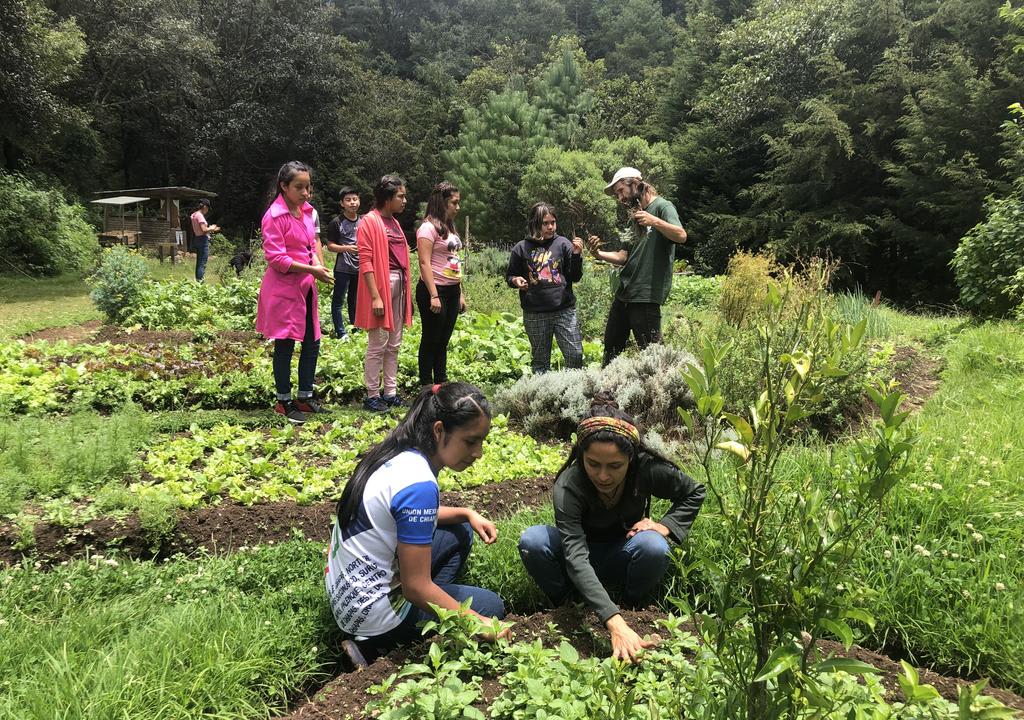
Choose crops suited to your climate and focus on high-yield, nutrient-dense varieties. Companion planting and crop rotation help maintain soil health and reduce pests naturally.
Fruit Trees and Perennial Foods
Planting fruit trees, berry bushes, and perennial vegetables provides a steady supply of food with less annual effort. Apples, pears, plums, and berries are common choices. Perennials like asparagus and rhubarb return year after year, making them valuable additions to your landscape.
Raising Livestock for Eggs, Meat, and More
Chickens, ducks, goats, and rabbits are popular choices for small-scale animal husbandry. Chickens, for example, offer eggs, meat, and natural pest control. Goats can provide milk and help clear brush. Always consider your space, local regulations, and the time commitment before adding animals to your homestead.
Water Management for Homestead Independence
Reliable water is crucial for any self-reliant property. Implementing multiple water sources and storage options ensures you’re prepared for dry spells or supply interruptions.
- Rainwater harvesting systems collect runoff from roofs for garden and livestock use.
- Wells provide a private supply, but require maintenance and sometimes filtration.
- Greywater recycling reuses water from sinks and showers for irrigation.
- Ponds can serve as backup water sources and support wildlife.
Renewable Energy and Off-Grid Power Solutions
Generating your own electricity increases resilience and can lower long-term costs. Solar panels are the most accessible option for many homesteads, but wind turbines and micro-hydro systems are also worth exploring depending on your location.
For a deeper dive into sustainable energy solutions and regenerative practices, check out resources on regenerative living off-grid.
Solar Power Basics
A basic solar setup includes panels, a charge controller, batteries, and an inverter. Start small—perhaps with a system to power lights or a well pump—and expand as your budget allows. Position panels for maximum sun exposure and keep them clean for optimal efficiency.
Alternative Heating and Cooking
Wood stoves, rocket mass heaters, and solar ovens are practical alternatives to electric or gas appliances. These methods reduce reliance on utilities and can often be fueled with resources from your own land.
Animal Care and Smart Infrastructure
Healthy livestock are a cornerstone of many homesteads. Investing in robust infrastructure makes daily chores easier and improves animal welfare.
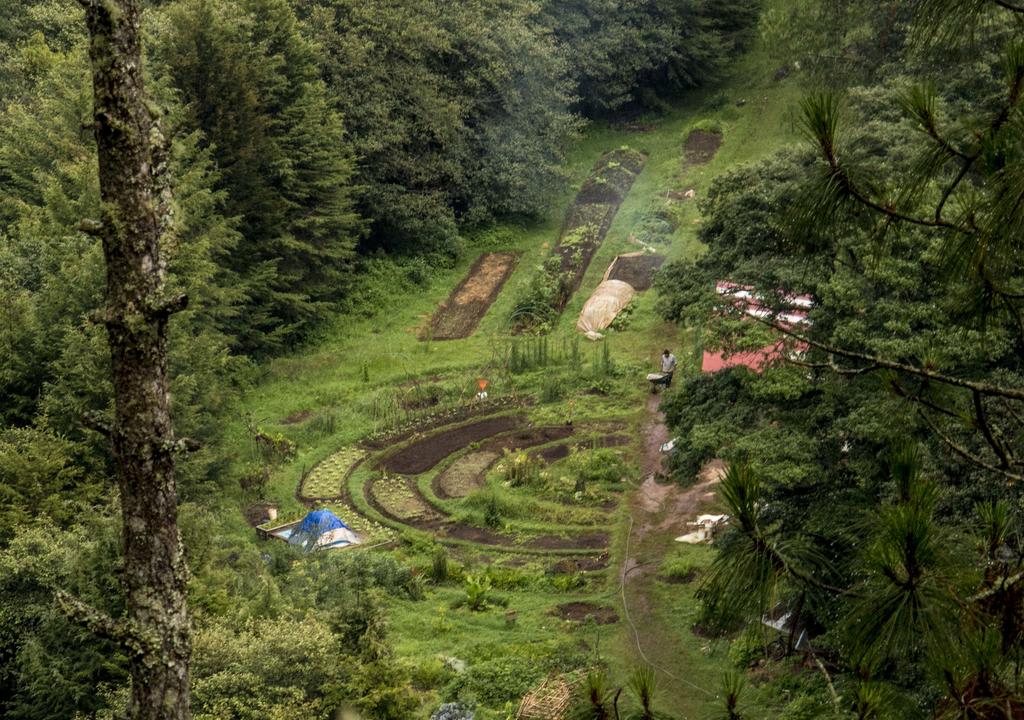
Automated chicken coop doors, predator-proof fencing, and mobile shelters are just a few examples of smart upgrades. These tools save time and help protect your animals, making your homestead more efficient.
Reducing Waste and Closing the Loop
A truly independent homestead strives to minimize waste by reusing and recycling materials wherever possible. Composting kitchen scraps and animal manure creates valuable fertilizer for gardens. Repurposing old materials for building projects or repairs keeps costs down and reduces your environmental impact.
- Compost bins or piles for organic waste
- Mulching with leaves, straw, or wood chips
- Rainwater barrels made from repurposed containers
- DIY repairs using salvaged lumber or hardware
Learning and Community Resources
No one becomes fully self-reliant overnight. Learning from others, sharing resources, and staying informed are key to long-term success. Local gardening clubs, online forums, and workshops can provide valuable support and troubleshooting tips.
For more in-depth information on off-grid techniques, consider reading this comprehensive guide to off-grid living, which covers practical steps and real-world examples.
Frequently Asked Questions
What are the first steps to creating a more independent homestead?
Begin by assessing your current resources and needs. Start small—perhaps with a vegetable garden or rainwater collection system—then gradually add more elements like fruit trees, livestock, or renewable energy as your skills and budget grow.
How much land is needed for self-reliant living?
The amount of land required depends on your goals and the intensity of your systems. Many people achieve significant independence on as little as a quarter acre, especially with intensive gardening and small livestock. Larger plots allow for more animals, orchards, and woodlots.
Is it possible to go completely off-grid?
While it’s challenging, many homesteaders reduce or eliminate dependence on public utilities. Success depends on your location, climate, and willingness to adapt. Combining multiple systems—solar, water catchment, food production—makes full independence more achievable.
