

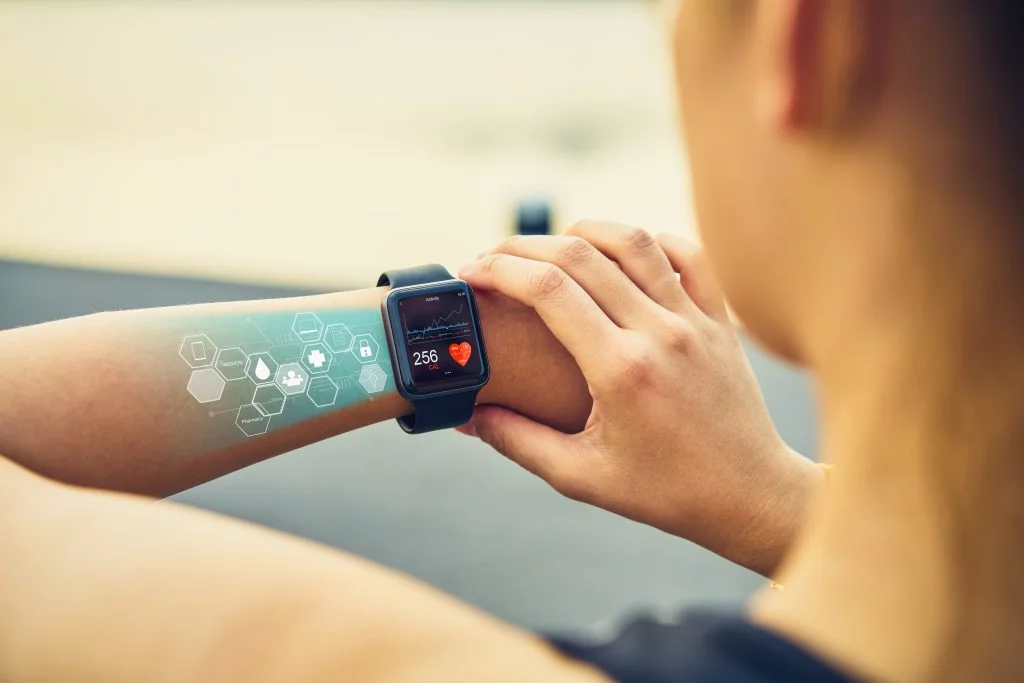
The rapid growth of wearable technology has transformed how people monitor their health, stay connected, and interact with the world. These compact, sensor-driven gadgets are now part of daily life for millions, offering features that range from fitness tracking to medical monitoring and real-time notifications. As innovation continues, the landscape of wearables expands, introducing new possibilities for personal convenience, wellness, and productivity.
For businesses and engineers interested in the technical side of product development, understanding how these devices are designed and tested is crucial. If you’re looking to dive deeper into the technicalities, the electronic product design performance testing guide provides valuable insights into ensuring reliability and quality in modern electronics.
Understanding Modern Wearable Technology
Wearables are electronic devices designed to be worn on the body, integrating seamlessly into everyday routines. These gadgets typically include sensors, wireless connectivity, and companion apps, allowing users to collect and analyze data in real time. The most common categories include smartwatches, fitness trackers, health monitors, and specialized devices for specific industries.
The following sections highlight some of the most prominent examples of wearable devices currently shaping the market, along with their primary applications and benefits.
Popular Smartwatches and Fitness Trackers
Among the most recognizable forms of wearables are smartwatches and fitness bands. These devices have become essential tools for health-conscious individuals and tech enthusiasts alike.
- Smartwatches: Devices like the Apple Watch, Samsung Galaxy Watch, and Garmin models combine timekeeping with advanced features such as heart rate monitoring, GPS navigation, and smartphone notifications. Many models also support contactless payments and voice assistants.
- Fitness Trackers: Brands such as Fitbit, Xiaomi Mi Band, and WHOOP focus on activity tracking, sleep analysis, and step counting. These bands are lightweight and often more affordable than full-featured smartwatches, making them accessible to a wide audience.
Health and Medical Wearables
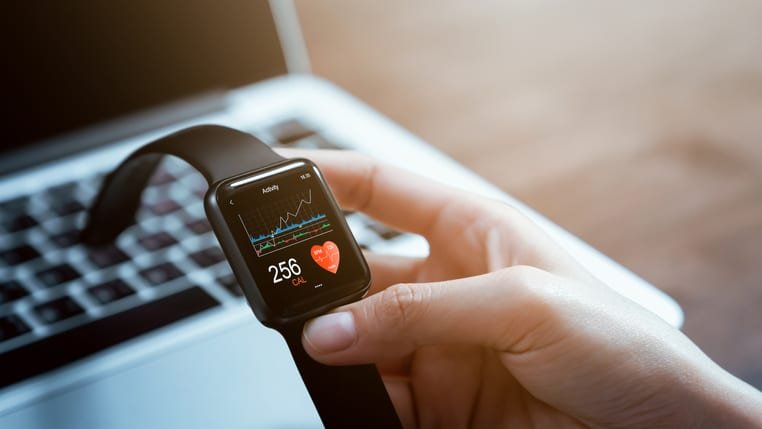
The healthcare sector has seen significant advancements through the adoption of wearable technology. Devices in this category go beyond basic fitness tracking, offering features that can help manage chronic conditions, detect irregularities, and even alert users to potential health risks.
- Continuous Glucose Monitors (CGMs): Tools like the Dexcom G6 and Abbott FreeStyle Libre allow individuals with diabetes to monitor blood sugar levels in real time, reducing the need for finger-prick tests.
- ECG Monitors: Some smartwatches and dedicated devices can record electrocardiograms, helping users and healthcare professionals detect atrial fibrillation or other heart conditions.
- Wearable Blood Pressure Monitors: Compact cuffs and wristbands now offer on-the-go blood pressure readings, making it easier for users to track their cardiovascular health.
Specialized Wearable Devices for Industry and Safety
Beyond personal health and fitness, wearables are increasingly used in industrial, workplace, and safety applications. These devices help monitor environmental conditions, worker fatigue, and hazardous exposures, contributing to improved safety and productivity.
- Smart Helmets: Used in construction and mining, these helmets can detect impacts, monitor air quality, and provide real-time communication between workers and supervisors.
- Body-Worn Cameras: Law enforcement, security personnel, and field workers use these devices to record interactions and collect evidence, enhancing transparency and accountability.
- Environmental Monitors: Wearable sensors can detect dangerous gases, temperature extremes, or radiation, alerting users to potential hazards in real time.
Smart Clothing and Accessories
Another emerging trend involves integrating technology directly into clothing and everyday accessories. These innovations offer new ways to collect data and interact with digital systems without the need for traditional screens or interfaces.
- Smart Shoes: Footwear equipped with pressure sensors and accelerometers can analyze gait, monitor running form, and even track location for navigation or safety.
- Connected Eyewear: Glasses like Google Glass and Ray-Ban Stories provide hands-free access to information, cameras, and audio, supporting both professional and lifestyle use cases.
- Heated Jackets and Smart Fabrics: Clothing with embedded heating elements or biometric sensors can regulate temperature or monitor vital signs, offering comfort and health insights.
How Wearable Devices Are Shaping Daily Life
The influence of wearable technology extends far beyond convenience. These devices empower users to take control of their health, improve safety in hazardous environments, and stay connected in new ways. For a deeper look at how this technology is transforming society, the article how wearable technology is changing our life explores the broader impact on work, wellness, and daily routines.
As adoption grows, the integration of artificial intelligence, improved battery life, and enhanced connectivity will continue to expand the possibilities for wearables across industries.
Challenges and Considerations for Wearable Technology
While the benefits are clear, several challenges remain for both users and developers of wearables:
- Data Privacy: With sensitive health and location data being collected, ensuring robust security and privacy protections is essential.
- Battery Life: Many devices require frequent charging, which can limit usability for continuous monitoring applications.
- Interoperability: Integrating wearables with other devices and platforms can be complex, especially in healthcare and industrial settings.
- Accuracy: Sensor precision and data reliability are critical for medical and safety applications, requiring rigorous testing and validation.
For those involved in the development or procurement of these products, understanding the full product lifecycle is vital. The electronic product lifecycle cost analysis guide provides a comprehensive overview of cost considerations from design to deployment.
FAQ About Wearable Devices
What are the main benefits of using wearable technology?
Wearables offer real-time health monitoring, improved safety, and enhanced connectivity. Users can track fitness goals, receive medical alerts, and stay informed without needing to check their phones constantly.
Are wearable devices secure and private?
Most reputable brands implement strong security measures, but users should be aware of data privacy risks. It’s important to review privacy settings, use secure connections, and keep devices updated to protect sensitive information.
How do I choose the right wearable for my needs?
Consider your primary goals—whether fitness tracking, health monitoring, or workplace safety. Compare features, battery life, compatibility, and comfort before making a decision. Reading reviews and consulting guides can also help identify the best fit.
Can wearables be used in professional or industrial settings?
Yes, many industries use specialized wearables for safety, communication, and productivity. Examples include smart helmets, body-worn cameras, and environmental monitors, all designed to meet the unique needs of various work environments.
