

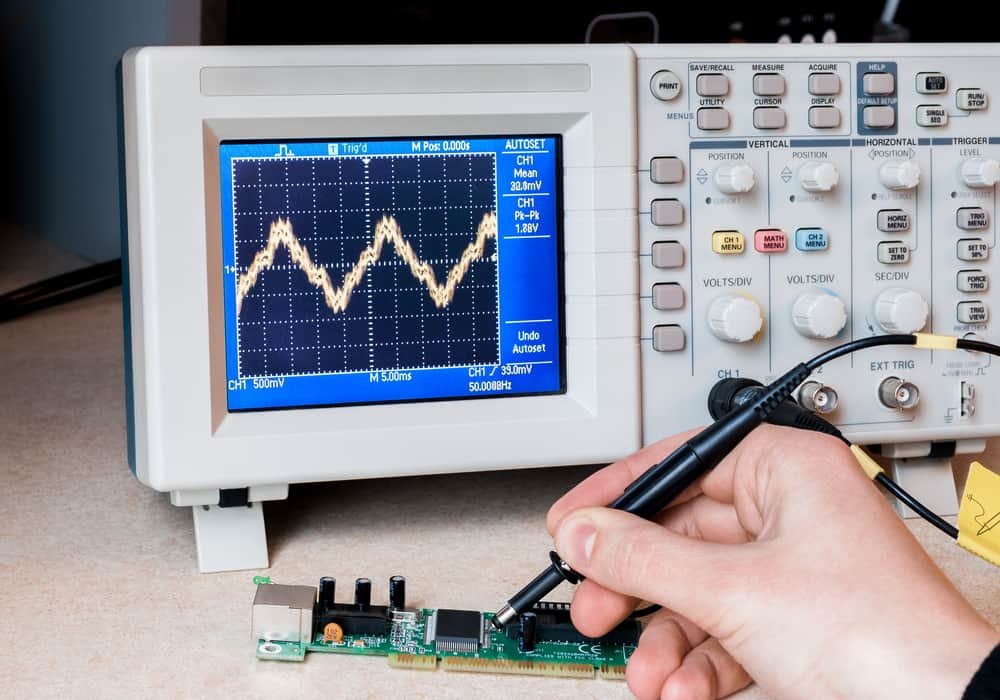
Electromagnetic compatibility (EMC) is a critical aspect of modern electronics, ensuring that devices function as intended without causing or suffering from electromagnetic interference. For manufacturers, engineers, and compliance professionals, understanding EMC testing ISO standards explained is essential for both product safety and regulatory approval. These international standards provide a framework for testing, documentation, and certification, helping organizations deliver reliable products to global markets.
In this article, we break down the essentials of EMC compliance, the most relevant ISO standards, and how these guidelines contribute to product safety and market access. Whether you’re developing consumer electronics, industrial equipment, or automotive systems, a clear grasp of EMC requirements is fundamental to product success.
For a deeper dive into related topics, you may also want to explore product compliance electronics ISO testing, which covers essential standards for electronic products.
Understanding EMC and Its Importance in Electronics
Electromagnetic compatibility refers to the ability of electronic devices to operate without interfering with each other or being affected by external electromagnetic disturbances. As our environments become increasingly saturated with electronic equipment, the risk of interference grows. This can lead to malfunctions, data loss, or even safety hazards in critical systems.
International standards, particularly those developed by the International Organization for Standardization (ISO), provide a unified approach to EMC testing. By adhering to these guidelines, manufacturers can ensure their products meet legal requirements, function safely, and maintain reliability in diverse operating conditions.

Key ISO Standards for EMC Testing
When discussing EMC testing ISO standards explained, several ISO documents stand out as foundational for compliance and safety. These standards define the procedures, limits, and documentation required for EMC assessment.
- ISO 61000 Series: This comprehensive family of standards addresses electromagnetic compatibility for electrical and electronic equipment. It covers everything from general requirements to specific testing methods for immunity and emissions.
- ISO 7637: Focused on road vehicles, this standard specifies EMC testing for electrical disturbances from conduction and coupling, which is crucial for automotive electronics.
- ISO 11452: This standard outlines test methods for electrical disturbances in vehicles, particularly those caused by radiated electromagnetic fields.
- ISO 10605: Addresses electrostatic discharge (ESD) testing for automotive environments, ensuring that vehicles’ electronics withstand static electricity events.
These ISO standards are often harmonized with regional regulations, such as the European Union’s EMC Directive or FCC requirements in the United States, making them essential for global market access.
How EMC Testing Supports Product Safety and Compliance
EMC testing is not just a regulatory hurdle; it is a cornerstone of product safety and reliability. By following internationally recognized standards, organizations can:
- Prevent interference: Ensuring that devices do not emit excessive electromagnetic energy or succumb to external disturbances.
- Reduce risk: Minimizing the chance of malfunctions, which is especially critical in medical, automotive, and industrial applications.
- Facilitate certification: Streamlining the process of obtaining CE marking, FCC approval, or other regulatory certifications.
- Enhance reputation: Demonstrating a commitment to quality and safety, which can strengthen customer trust and brand value.
For manufacturers, compliance with EMC standards is often a prerequisite for entering international markets. Failing to meet these requirements can result in costly recalls, legal penalties, or reputational damage.
Steps in the EMC Testing and Certification Process
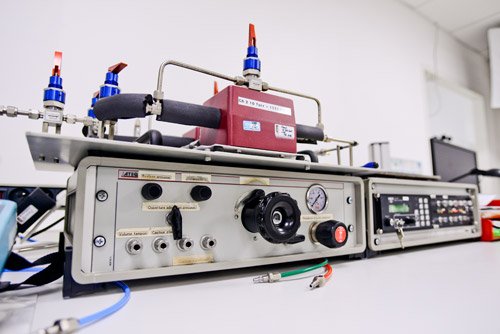
Achieving compliance with ISO EMC standards involves a systematic approach. Below are the typical steps organizations follow:
- Identify applicable standards: Determine which ISO documents and regional regulations apply to your product type and market.
- Design for EMC: Integrate best practices for shielding, grounding, and circuit layout early in the product development cycle.
- Pre-compliance testing: Conduct preliminary tests to catch potential issues before formal certification.
- Formal laboratory testing: Submit products to accredited labs for testing according to the relevant ISO standards.
- Documentation and reporting: Maintain detailed records of test results, procedures, and compliance declarations.
- Certification and marking: Once compliance is confirmed, apply the necessary markings (such as CE or FCC) and prepare for market launch.
This process not only ensures regulatory compliance but also helps identify design improvements and potential reliability issues early on.
Challenges and Best Practices in EMC Compliance
While EMC testing is essential, it can present several challenges. Complex product designs, evolving standards, and the need for rapid market entry can complicate compliance efforts. Here are some best practices to navigate these challenges:
- Stay updated: ISO standards are periodically revised. Regularly review updates to ensure ongoing compliance.
- Engage experts: Work with experienced EMC engineers or consultants who understand both technical and regulatory requirements.
- Leverage pre-compliance testing: Early testing can save time and costs by identifying issues before formal certification.
- Document thoroughly: Comprehensive records support faster certification and can be invaluable during audits.
- Integrate compliance into design: Make EMC considerations a core part of your product development, not an afterthought.
For a broader perspective on quality management, you might also find value in resources like electronics quality control ISO framework, which explores frameworks for building better products.
ISO Certification: Why It Matters for Manufacturers
Obtaining ISO certification for EMC is more than a formality—it signals to customers, partners, and regulators that your organization meets globally recognized standards. Certification can open doors to new markets, reduce liability, and streamline supply chain relationships.
For electronic manufacturers, being ISO certified demonstrates a commitment to quality and compliance. To learn more about the benefits, see this in-depth explanation of why electronic manufacturers should be ISO certified.
Frequently Asked Questions
What is the main purpose of EMC testing in electronics?
The primary goal is to ensure that electronic devices can operate as intended in their environment without causing or being affected by electromagnetic interference. This protects device functionality, user safety, and compliance with regulatory requirements.
Which ISO standards are most relevant for EMC testing?
The ISO 61000 series is the most widely used for general EMC requirements. For automotive applications, ISO 7637, ISO 11452, and ISO 10605 are particularly important. The choice of standard depends on the product type and intended market.
How does EMC compliance benefit manufacturers?
Compliance with international EMC standards streamlines certification, reduces the risk of product recalls, and enhances brand reputation. It also facilitates access to global markets by meeting the requirements of regulators and customers.
Is EMC testing required for all electronic products?
Most countries require EMC testing for electronic products before they can be sold. The specific requirements depend on the product category and region. Even if not legally required, EMC testing is considered a best practice for ensuring product quality and reliability.
Conclusion
Understanding EMC testing ISO standards explained is vital for anyone involved in designing, manufacturing, or certifying electronic products. These international guidelines provide a clear path to compliance, safety, and market success. By integrating EMC requirements into product development and staying current with evolving standards, organizations can deliver safer, more reliable products and maintain a competitive edge in the global marketplace.
