


In the fast-paced world of electronics manufacturing, achieving and maintaining high standards is essential for business growth and customer trust. ISO certification benefits for electronics manufacturers are more relevant than ever, helping companies demonstrate their commitment to quality, safety, and efficiency. With increasing regulatory demands and global competition, adopting internationally recognized standards can set manufacturers apart and open doors to new markets.
For organizations navigating compliance and quality management, understanding how ISO standards impact daily operations is crucial. If you’re seeking a practical overview of how these certifications can support your business, this article will guide you through the key advantages, from improved product reliability to enhanced customer satisfaction.
For those looking to streamline compliance processes, the ISO compliance checklist electronics testing is a valuable resource to help ensure all requirements are met efficiently.
Understanding ISO Standards in Electronics Manufacturing
ISO (International Organization for Standardization) develops globally recognized standards that define best practices for various industries. In electronics manufacturing, the most commonly adopted standards include:
- ISO 9001 – Focuses on quality management systems, ensuring consistent product quality and continual improvement.
- ISO 14001 – Addresses environmental management, helping organizations minimize their environmental impact.
- ISO 17025 – Specifies requirements for testing and calibration laboratories, ensuring accurate and reliable results.
By implementing these standards, manufacturers can build robust systems that support both operational excellence and regulatory compliance.
Key ISO Certification Benefits for Electronics Manufacturers
Adopting ISO standards brings a wide range of advantages to electronics producers. Here are some of the most significant benefits:
- Enhanced Product Quality: ISO-certified companies follow structured processes that reduce variability, leading to more reliable and consistent products.
- Greater Customer Confidence: Certification signals to customers that the manufacturer meets international benchmarks, increasing trust and credibility.
- Access to New Markets: Many clients, especially in regulated sectors, require suppliers to hold ISO certifications as a condition for doing business.
- Operational Efficiency: Standardized procedures help eliminate waste, reduce errors, and optimize resource use.
- Regulatory Compliance: ISO standards often align with legal and industry requirements, simplifying audits and reducing the risk of non-compliance.
Quality Management and Process Improvement
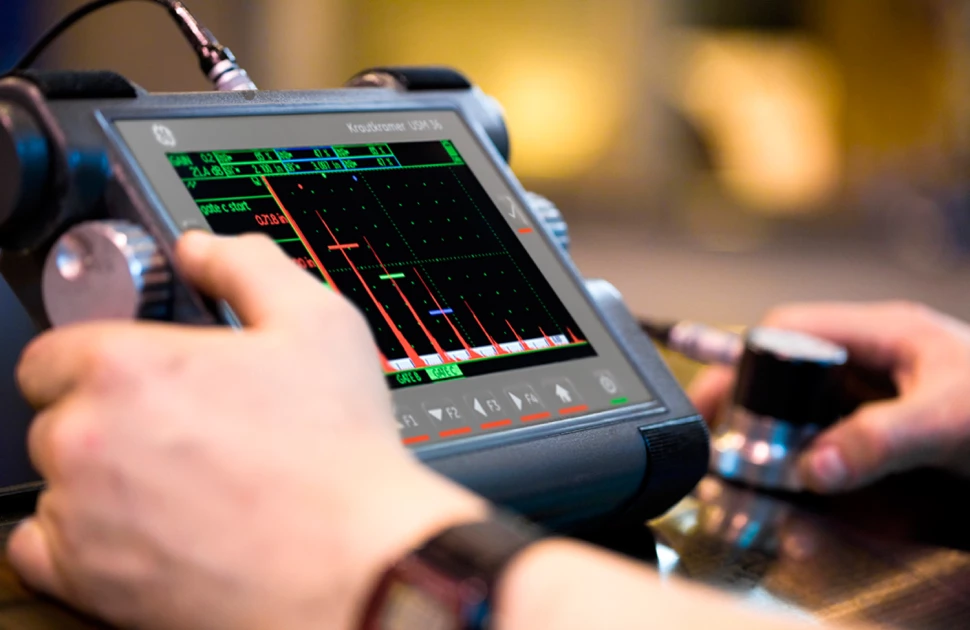
One of the core ISO certification benefits for electronics manufacturers is the establishment of a formal quality management system (QMS). ISO 9001, for example, requires companies to document processes, monitor performance, and pursue continual improvement. This leads to:
- Fewer defects and recalls
- Improved traceability of components and finished goods
- Clearer roles and responsibilities for staff
- Better supplier relationships through standardized requirements
For a deeper dive into the essentials of quality management, the ISO 9001 electronics testing explained guide offers practical insights tailored to the electronics sector.
Environmental Responsibility and Market Access
Environmental sustainability is increasingly important in electronics manufacturing. ISO 14001 certification demonstrates a company’s commitment to reducing its environmental footprint. This can include:
- Efficient use of energy and materials
- Proper handling and disposal of hazardous substances
- Compliance with environmental regulations
- Improved reputation among eco-conscious customers and partners
Many global clients now require proof of environmental management as part of their supplier selection process. For more on the value of environmental standards, see this overview of ISO 14001 experience in electronics manufacturing.
Testing, Calibration, and Laboratory Accreditation
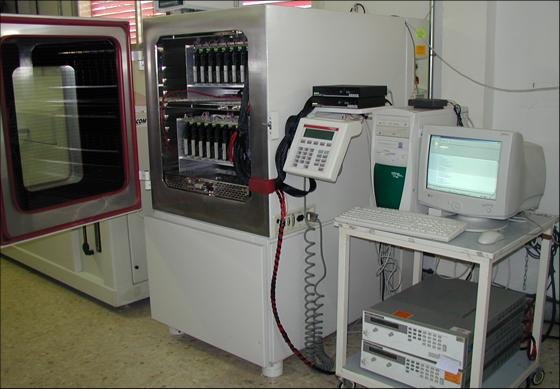
Precision and reliability are non-negotiable in electronics testing. ISO 17025 accreditation ensures that laboratories meet strict requirements for competence and impartiality. Key advantages include:
- International recognition of test results
- Reduced need for repeat testing
- Increased confidence in measurement accuracy
- Streamlined supplier and customer audits
Manufacturers seeking to accredit their labs can benefit from the ISO testing laboratory accreditation guide, which outlines the steps and documentation required.
Documentation and Audit Readiness
Maintaining up-to-date documentation is a cornerstone of ISO compliance. Well-organized records make it easier to demonstrate adherence to standards during audits and inspections. Benefits include:
- Faster, less disruptive audits
- Clear evidence of corrective actions and improvements
- Reduced risk of non-conformance findings
For practical advice on managing documentation, refer to the ISO documentation requirements electronics testing resource.
Competitive Advantage and Customer Relationships
In a crowded marketplace, ISO certification can be a key differentiator. It signals professionalism, reliability, and a proactive approach to quality and compliance. This can help electronics manufacturers:
- Win contracts with large or international clients
- Reduce barriers to entry in regulated markets
- Build long-term partnerships based on trust and transparency
- Respond quickly to customer and regulatory changes
Ultimately, the investment in certification pays off through increased business opportunities and stronger customer loyalty.
FAQs
What are the most important ISO standards for electronics manufacturers?
The most relevant standards include ISO 9001 for quality management, ISO 14001 for environmental management, and ISO 17025 for testing and calibration laboratories. Each addresses different aspects of manufacturing and compliance, supporting overall operational excellence.
How does ISO certification improve product quality?
Certification requires companies to implement structured processes, monitor performance, and continually improve. This reduces defects, improves consistency, and ensures that products meet customer and regulatory requirements.
Is ISO certification mandatory for electronics manufacturers?
While not legally required in all regions, many customers and markets demand ISO certification as a prerequisite for doing business. It also helps companies meet regulatory requirements and compete more effectively on a global scale.
Conclusion
For electronics manufacturers, the advantages of ISO certification go far beyond compliance. From improved product quality and environmental responsibility to enhanced customer trust and market access, these standards provide a solid foundation for sustainable growth. By investing in certification and maintaining robust management systems, companies can position themselves as leaders in a demanding and ever-evolving industry.
