

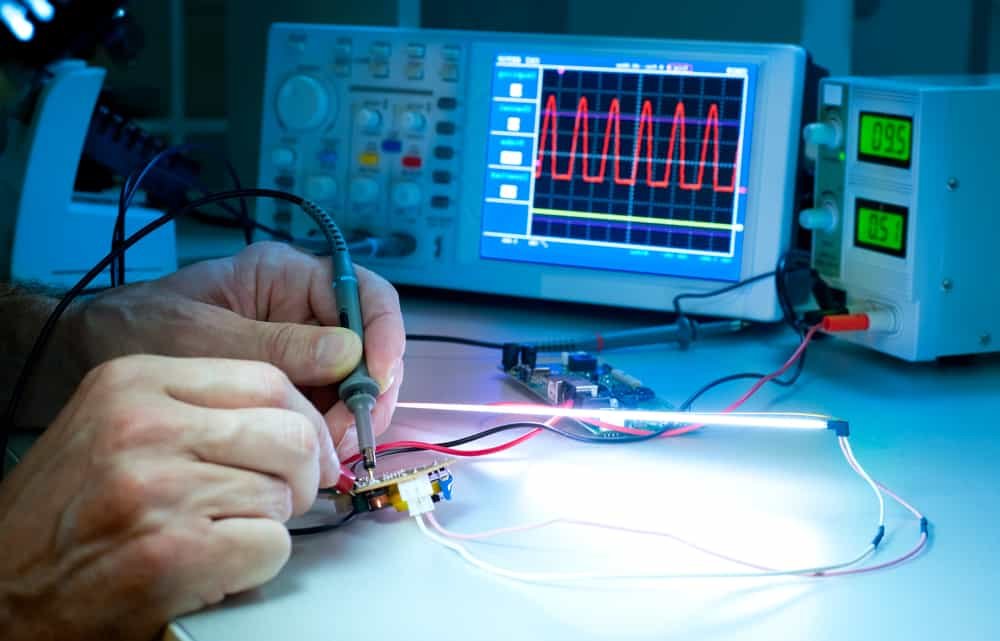
Achieving ISO testing laboratory accreditation is a significant milestone for any lab seeking to demonstrate technical competence and build trust with clients, regulators, and industry partners. This comprehensive guide breaks down the essential requirements, the step-by-step process, and practical tips to help laboratories navigate the accreditation journey successfully. Whether you’re new to the process or looking to refine your approach, understanding the standards and expectations is crucial for long-term success.
Laboratory accreditation under ISO standards, such as ISO/IEC 17025, signals that a facility operates with consistent quality, impartiality, and technical reliability. It’s not just about passing an audit—it’s about embedding a culture of continuous improvement and compliance. For electronics testing professionals, integrating robust quality management systems is especially important. For a deeper dive into how ISO standards shape quality in electronics testing, see ISO quality management electronics testing.
Understanding ISO Laboratory Accreditation
ISO accreditation for laboratories is a formal recognition that a lab is competent to carry out specific tests or calibrations. The most widely recognized standard is ISO/IEC 17025, which covers both management and technical requirements. Accreditation is granted by authorized bodies after a thorough assessment of the laboratory’s quality management system, technical procedures, and staff competence.
The benefits of accreditation go beyond compliance. Accredited labs enjoy increased credibility, improved operational efficiency, and access to broader markets. Many clients and regulatory agencies require or prefer test results from accredited facilities, making accreditation a critical factor in business growth.
Key Requirements for ISO Laboratory Accreditation
To achieve accreditation, laboratories must meet a range of criteria. The core requirements typically include:
- Quality Management System: Implement and maintain a documented system that ensures consistent quality in all lab activities.
- Technical Competence: Demonstrate staff qualifications, appropriate equipment, and validated methods for all tests performed.
- Impartiality and Confidentiality: Ensure that results are unbiased and client data is protected.
- Traceability: Use reference materials and calibration standards that are traceable to international or national standards.
- Document Control: Maintain up-to-date procedures, records, and policies for all aspects of laboratory operations.
- Internal Audits and Management Reviews: Regularly assess and improve the effectiveness of the quality management system.
For electronics testing labs, compliance with ISO 17025 electronics testing lab requirements is especially relevant, as it addresses the unique challenges and specifications of the field.

Step-by-Step Process for Achieving Accreditation
The path to ISO laboratory accreditation involves several structured steps. Here’s a breakdown of the typical process:
- Gap Analysis: Assess your current operations against the requirements of the relevant ISO standard. Identify areas needing improvement or documentation.
- Develop or Update Quality Management System: Create or refine your quality manual, procedures, and records to align with ISO requirements.
- Staff Training: Ensure all personnel understand the quality system, technical procedures, and their roles in maintaining compliance.
- Internal Audit: Conduct a thorough internal audit to verify that your system is implemented and effective. Address any non-conformities found.
- Management Review: Hold a formal review meeting to evaluate the system’s performance and plan for continual improvement.
- Application to Accreditation Body: Submit your application, including documentation and scope of accreditation, to an authorized accreditation body.
- On-Site Assessment: The accreditation body will perform a detailed audit of your facility, procedures, and records.
- Corrective Actions: Respond to any findings from the assessment with documented corrective actions.
- Accreditation Decision: Once all requirements are met and corrective actions are accepted, the accreditation body grants formal recognition.
- Ongoing Surveillance: Maintain compliance through regular internal audits, management reviews, and periodic reassessments by the accreditation body.
For a more detailed overview of the certification journey, see ISO certification process for electronics labs.
Common Challenges and How to Overcome Them
Many laboratories encounter obstacles on the road to accreditation. Some of the most frequent challenges include:
- Resource Constraints: Limited staff or budget can make it difficult to implement and maintain a robust quality system. Prioritize critical areas and seek external support if needed.
- Documentation Overload: Excessive or poorly organized documentation can hinder efficiency. Focus on clarity, relevance, and accessibility.
- Staff Engagement: Resistance to change or lack of awareness can undermine compliance. Provide regular training and communicate the benefits of accreditation to all team members.
- Keeping Up with Standards: ISO standards are periodically updated. Assign responsibility for monitoring changes and updating procedures accordingly.
Best Practices for a Successful Accreditation Journey
To maximize your chances of success and maintain accreditation over time, consider these best practices:
- Engage Leadership: Secure commitment from top management to provide resources and foster a culture of quality.
- Continuous Improvement: Treat accreditation as an ongoing process, not a one-time event. Use audit findings and feedback to drive improvement.
- Leverage Technology: Use laboratory information management systems (LIMS) and digital tools to streamline documentation and data management.
- Network with Peers: Join industry groups or forums to share experiences and stay informed about best practices and regulatory changes.
- Stay Client-Focused: Regularly solicit feedback from clients to ensure your services meet their needs and expectations.
For additional insights into the impact of accreditation on the industry, explore ISO accredited electronics testing meaning.
Relevant ISO Standards and Their Application
While ISO/IEC 17025 is the primary standard for laboratory accreditation, other ISO standards may also apply depending on your field and services. For example, ISO 9001 focuses on general quality management principles and is often used in conjunction with technical standards. Understanding the relationship between these standards can help labs build a comprehensive compliance framework.
For electronics testing, it’s important to understand the basics of ISO 9001 electronics testing explained and how it complements technical accreditation.
To see how ISO standards are applied in electronics manufacturing and testing, you can review this overview of ISO standards in electronics factories.
FAQ: ISO Laboratory Accreditation
What is the difference between ISO certification and ISO accreditation for laboratories?
ISO certification typically refers to compliance with management system standards like ISO 9001, while ISO accreditation (such as ISO/IEC 17025) is a formal recognition of technical competence to perform specific tests or calibrations. Accreditation involves a more rigorous assessment by an authorized body.
How long does it take to achieve laboratory accreditation?
The timeline varies depending on the laboratory’s readiness, resources, and the complexity of its operations. On average, the process can take from several months to over a year, including preparation, internal audits, and the external assessment.
Is ISO laboratory accreditation mandatory?
Accreditation is not legally required in all cases, but it is often a prerequisite for contracts, regulatory approvals, or participation in certain markets. Many clients and authorities prefer or require results from accredited laboratories to ensure reliability and impartiality.
