

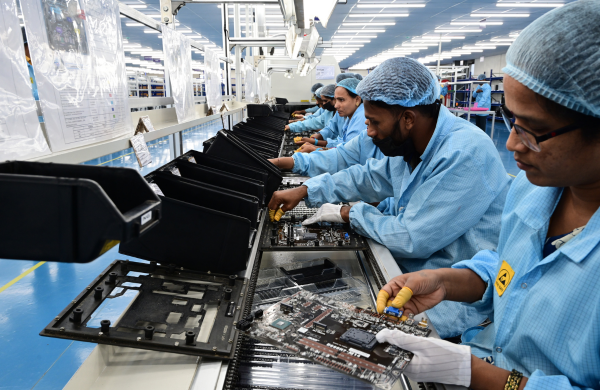
Protecting sensitive electronic assemblies from harsh environments, moisture, vibration, and contaminants is a critical step in modern electronics manufacturing. Electronics potting and encapsulation are two widely used techniques that provide robust protection and enhance the reliability of electronic devices. These methods involve surrounding components or entire circuit boards with specialized compounds, creating a physical barrier against external threats.
Understanding the differences, applications, and material choices for these protective processes is essential for engineers, product designers, and anyone involved in electronics production. Whether you are developing consumer gadgets, industrial controls, or mission-critical systems, selecting the right approach can significantly impact product longevity and performance.
For those interested in optimizing their designs for protection and durability, it’s also important to consider related factors such as electronic product design pcb material selection. Material choices for both the circuit board and the encapsulation compound can influence the effectiveness of your protection strategy.
What Are Potting and Encapsulation in Electronics?
Both potting and encapsulation refer to the process of covering electronic assemblies with a protective material, but they are not identical. In potting, the entire assembly is placed in a mold or enclosure, and the compound is poured in to fill all voids, completely surrounding the components. Encapsulation, on the other hand, typically involves coating or covering only specific parts or surfaces, sometimes leaving the bottom or certain areas exposed.
The main goals of these techniques are to:
- Shield sensitive circuits from moisture, dust, and chemicals
- Provide electrical insulation and prevent short circuits
- Protect against mechanical shock and vibration
- Improve tamper resistance and intellectual property security
- Enhance thermal management in some applications

Key Materials Used for Protective Coating
The choice of material for electronics potting and encapsulation depends on the intended environment, required durability, and other design constraints. Commonly used compounds include:
- Epoxy resins: Known for their excellent adhesion, chemical resistance, and mechanical strength. Epoxies are often used for applications requiring a rigid, tough barrier.
- Polyurethane: Offers flexibility, good moisture resistance, and is less brittle than epoxy. Suitable for applications where vibration or movement is expected.
- Silicone: Provides outstanding thermal stability and flexibility, making it ideal for high-temperature or outdoor applications.
Each material has its own pros and cons. For example, while epoxies are very strong, they can be difficult to remove for repair. Silicones, on the other hand, are easier to rework but may not offer the same level of mechanical protection.
Benefits of Potting and Encapsulation for Electronics
Incorporating these protective processes into your product design can deliver several advantages:
- Enhanced reliability: By sealing out contaminants and moisture, you reduce the risk of corrosion and electrical failure.
- Mechanical protection: The hardened compound absorbs shocks and vibrations, safeguarding delicate components.
- Improved safety: Insulating materials prevent accidental contact with live circuits and reduce the risk of electrical shorts.
- Environmental resistance: Devices can withstand exposure to chemicals, salt spray, and extreme temperatures.
- Security: Potting can deter reverse engineering and tampering, protecting intellectual property.
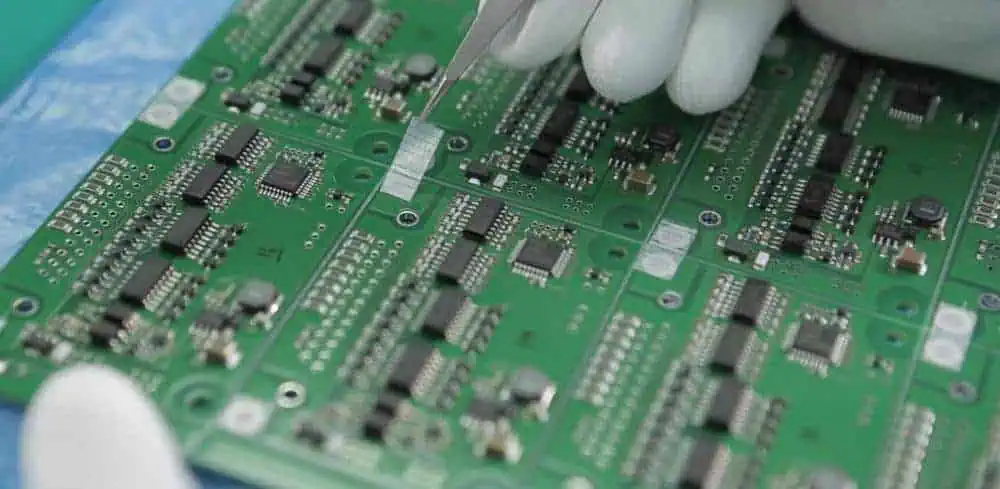
Common Applications in Modern Electronics
The use of electronics potting and encapsulation is widespread across many industries. Some typical applications include:
- Automotive electronics (ECUs, sensors, lighting modules)
- Consumer electronics (chargers, adapters, wearable devices)
- Industrial controls and automation equipment
- LED lighting systems
- Medical devices and instrumentation
- Outdoor and marine electronics
For those new to assembly techniques, resources like this beginner’s guide to electronics projects can provide valuable context for integrating protective processes into your workflow.
Process Overview: How Potting and Encapsulation Are Performed
The process typically involves several key steps:
- Preparation: Clean the assembly to remove dust, oils, and residues. Mask any connectors or areas that should remain uncoated.
- Mixing: Prepare the potting or encapsulation compound according to manufacturer instructions, ensuring proper ratios and thorough mixing.
- Application: Pour or dispense the compound over the assembly, ensuring complete coverage and minimal air entrapment.
- Curing: Allow the material to cure at room temperature or under controlled heat, as specified by the compound’s datasheet.
- Inspection: Check for voids, bubbles, or incomplete coverage. Perform electrical and functional testing as needed.
Automated dispensing systems are often used for high-volume production, while manual methods may suffice for prototypes or small batches.
Design Considerations and Potential Challenges
While these protective techniques offer significant benefits, they also introduce some challenges:
- Repairability: Once potted, accessing components for repair or rework can be difficult or impossible, especially with rigid compounds.
- Thermal management: Some materials can trap heat, so thermal conductivity and dissipation must be considered in the design phase.
- Material compatibility: Ensure that the chosen compound does not react with or degrade sensitive components, plastics, or solder joints.
- Cost and process complexity: Additional steps and materials can increase manufacturing costs and lead times.
Early-stage planning and thorough testing are essential to avoid issues down the line. For more on evaluating the performance of your finished products, see the electronic product design performance testing guide.
Frequently Asked Questions
What is the difference between potting and conformal coating?
Potting involves fully encapsulating components in a solid or gel-like compound, providing robust mechanical and environmental protection. Conformal coating, by contrast, is a thin film applied over the surface of a circuit board, offering protection against moisture and contaminants but less mechanical strength.
Can potted electronics be repaired?
Repairing potted assemblies is challenging, especially when rigid materials like epoxy are used. Some flexible compounds, such as silicone, may allow partial removal for limited repairs, but in most cases, potting is considered a permanent solution.
How do I choose the right potting material?
The best choice depends on your application’s requirements for temperature range, flexibility, chemical resistance, and ease of processing. Consider the environment, expected stresses, and whether future rework might be necessary. Consulting with material suppliers and reviewing datasheets can help guide your selection.
