

Ensuring that electronic devices perform reliably over their intended lifespan is a fundamental part of modern product development. Manufacturers and engineers rely on a variety of electronic product reliability testing methods to identify weaknesses, predict failures, and validate the durability of their designs. These approaches are essential for minimizing warranty costs, improving customer satisfaction, and meeting regulatory requirements.
Understanding the different techniques used to assess reliability can help teams select the right strategies for their products, whether they’re launching consumer electronics, industrial controllers, or IoT devices. For a broader perspective on integrating testing into your workflow, the electronic product design system integration guide offers additional context on how testing fits into the overall development process.
Why Reliability Testing Matters for Electronics
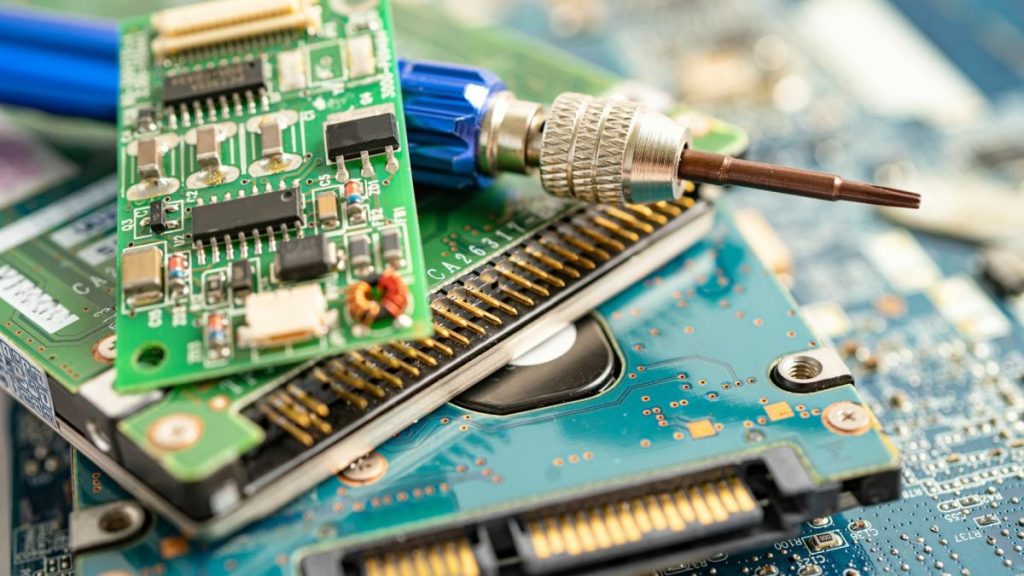
Reliability testing is more than just a quality check—it’s a systematic process that helps predict how products will behave in real-world conditions. By simulating stresses such as temperature fluctuations, humidity, vibration, and electrical surges, engineers can uncover potential points of failure before products reach customers. This proactive approach reduces recalls, supports compliance, and builds trust in the brand.
In addition, rigorous reliability assessments are often required to meet industry standards and certifications. They also provide valuable data for continuous improvement, enabling teams to refine designs and manufacturing processes for future product generations.
Key Categories of Reliability Assessment
There are several main categories of reliability testing for electronic products, each targeting specific failure modes and operational risks. The most widely used categories include:
- Environmental Stress Testing: Exposes products to extreme environmental conditions to evaluate their durability.
- Mechanical Stress Testing: Assesses the impact of physical forces such as vibration, shock, and drop.
- Electrical Stress Testing: Checks resilience to voltage, current, and power fluctuations.
- Accelerated Life Testing: Simulates extended use in a compressed timeframe to predict lifespan.
- Burn-In Testing: Operates devices continuously at elevated stress levels to reveal early failures.
Environmental Stress Testing Techniques
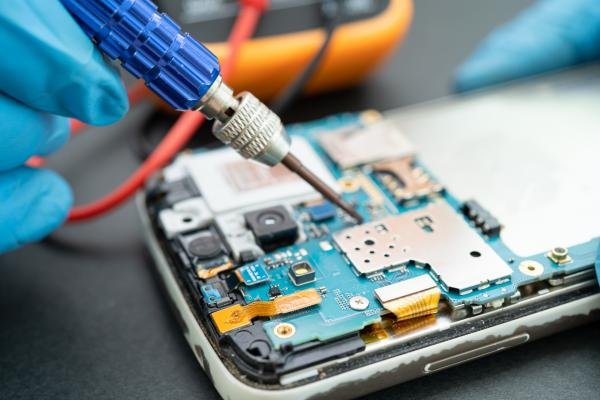
Environmental tests are designed to mimic the harsh conditions that electronic products might face during shipping, storage, or use. Common methods include:
- Temperature Cycling: Repeatedly exposes devices to high and low temperatures to test for thermal fatigue and solder joint reliability.
- Humidity Testing: Subjects products to high humidity levels to evaluate corrosion resistance and insulation breakdown.
- Salt Spray Testing: Used for products intended for marine or coastal environments, this test checks for corrosion of metal components.
These tests help ensure that devices maintain performance and safety across a range of environmental conditions. For a deeper dive into compliance and standards, the electronic product design safety standards comparison provides useful insights.
Mechanical and Electrical Stress Testing Approaches
Mechanical and electrical stress tests are crucial for identifying vulnerabilities in both the physical structure and circuitry of electronic products.
Mechanical Stress Methods
- Vibration Testing: Simulates transportation or operational vibrations to check for loose connections or component fatigue.
- Shock and Drop Testing: Assesses the ability of a device to withstand impacts from accidental drops or handling.
Electrical Stress Methods
- Power Cycling: Repeatedly turns the device on and off to test the robustness of power supplies and switching circuits.
- Overvoltage and Undervoltage Testing: Exposes products to voltage extremes to ensure protection mechanisms function correctly.
Accelerated Life and Burn-In Testing Explained
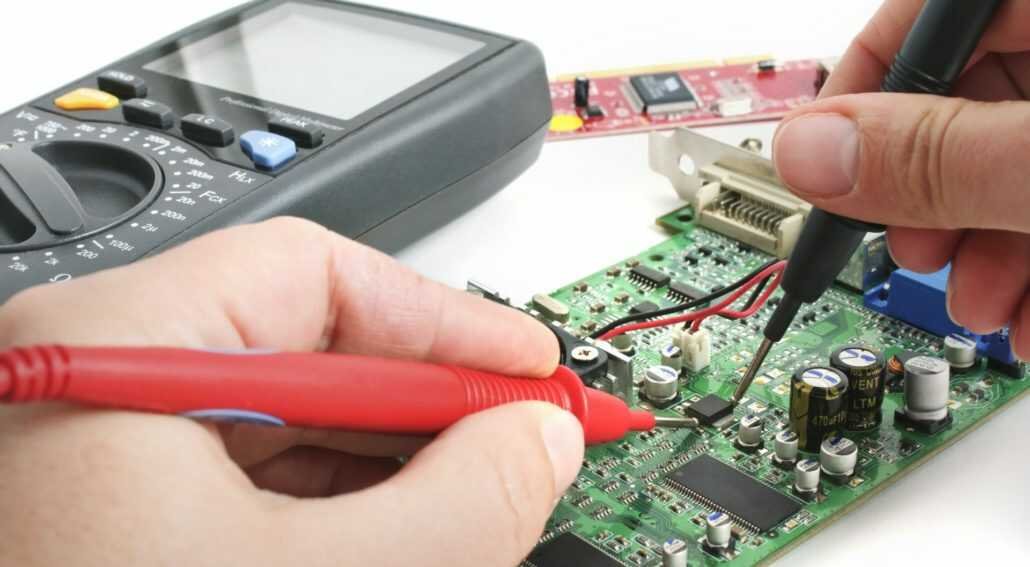
To predict long-term reliability without waiting years, accelerated life tests and burn-in procedures are commonly used.
- Accelerated Life Testing (ALT): Subjects products to higher-than-normal stresses (e.g., temperature, voltage) to induce failures quickly. Statistical models are then used to estimate real-world lifespan.
- Burn-In Testing: Involves operating devices continuously, often at elevated temperatures, for a set period. This process helps identify early-life failures, sometimes called “infant mortality,” before shipment.
Both methods are essential for ensuring that only robust units reach the market, reducing the risk of early returns and warranty claims.
Data Analysis and Failure Reporting
After conducting reliability tests, the next step is to analyze the results and document any failures. This process typically includes:
- Identifying root causes of failures (e.g., component defects, design flaws, process issues)
- Assessing failure rates and trends using statistical tools
- Implementing corrective actions to address systemic problems
- Updating design or manufacturing processes based on findings
Effective failure analysis not only improves the current product but also informs future development cycles. Teams can use this data to enhance reliability, reduce costs, and maintain compliance with industry standards.
Integrating Reliability Testing Into Product Development
Incorporating electronic product reliability testing methods early and throughout the development process is critical for success. Best practices include:
- Defining reliability goals and test plans during the design phase
- Using prototypes and pre-production units for initial testing
- Iterating designs based on test feedback
- Documenting all procedures and outcomes for traceability
For more on documentation and workflow, the electronic product design documentation workflow article provides practical guidance.
Industry Standards and Best Practices
Many industries have established standards for reliability testing, such as IEC, MIL-STD, and JEDEC. Adhering to these guidelines ensures consistency, comparability, and regulatory compliance. It’s also important to stay updated on evolving best practices and leverage resources like the tips for successful electronic product development to enhance your team’s approach.
Common Challenges and Solutions
While reliability testing is essential, it comes with its own set of challenges:
- Time Constraints: Accelerated tests help, but balancing speed with accuracy is crucial.
- Cost: Testing equipment and sample destruction can be expensive. Prioritizing critical tests and leveraging simulation tools can help manage budgets.
- Complexity: Modern electronics have intricate designs, making it harder to isolate failure modes. Cross-functional collaboration and thorough documentation are key.
Addressing these challenges requires a strategic approach, clear communication, and a commitment to continuous improvement.
FAQ
What is the main goal of reliability testing in electronics?
The primary objective is to ensure that electronic products function correctly and safely throughout their expected lifespan, even under stressful or adverse conditions. This helps reduce failures in the field and builds customer trust.
How does accelerated life testing differ from regular testing?
Accelerated life testing applies higher-than-normal stresses to products, such as increased temperature or voltage, to induce failures more quickly. This allows manufacturers to predict long-term reliability without waiting for years of real-world use.
Are there industry standards for reliability testing?
Yes, several organizations provide guidelines and standards, including IEC, MIL-STD, and JEDEC. These standards define test procedures, conditions, and reporting requirements to ensure consistency and regulatory compliance.
How can reliability testing data improve future products?
By analyzing failures and trends, teams can identify root causes and implement design or process improvements. This continuous feedback loop leads to more robust products and fewer issues in future releases.
What are some common reliability tests for consumer electronics?
Typical tests include temperature cycling, humidity exposure, vibration and shock testing, power cycling, and burn-in. These methods help ensure that devices withstand everyday use and environmental challenges.
For those interested in a deeper technical perspective, the electronic product design reliability engineering basics guide offers further reading on methodologies and engineering principles.
